Why Fjaðrárgljúfur Couldn’t Absorb a Sudden Crowd
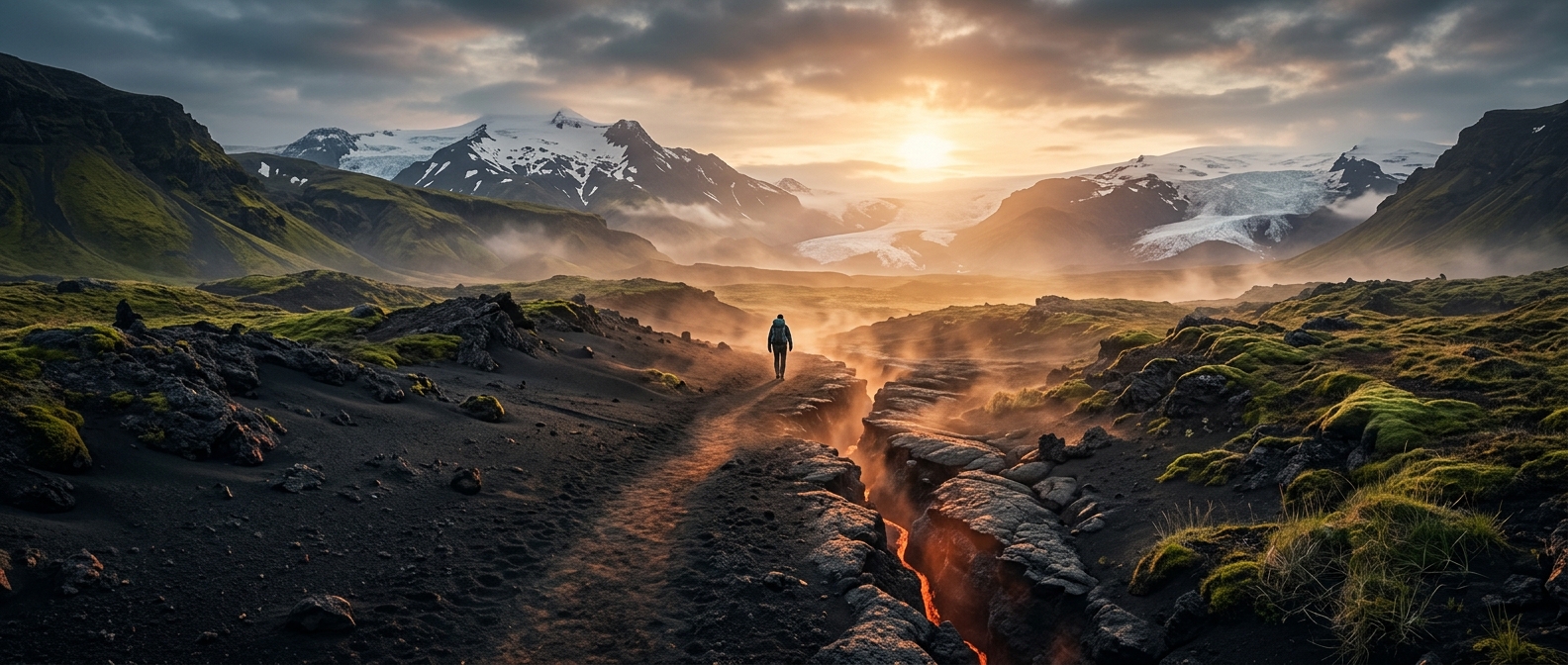
Fjaðrárgljúfur is a narrow canyon whose green-looking slopes can seem sturdier than they are. Much of that cover is moss and other low vegetation growing on thin soil. In Iceland’s cool climate, plants have a short growing season, so damage from heavy foot traffic may take years to repair.
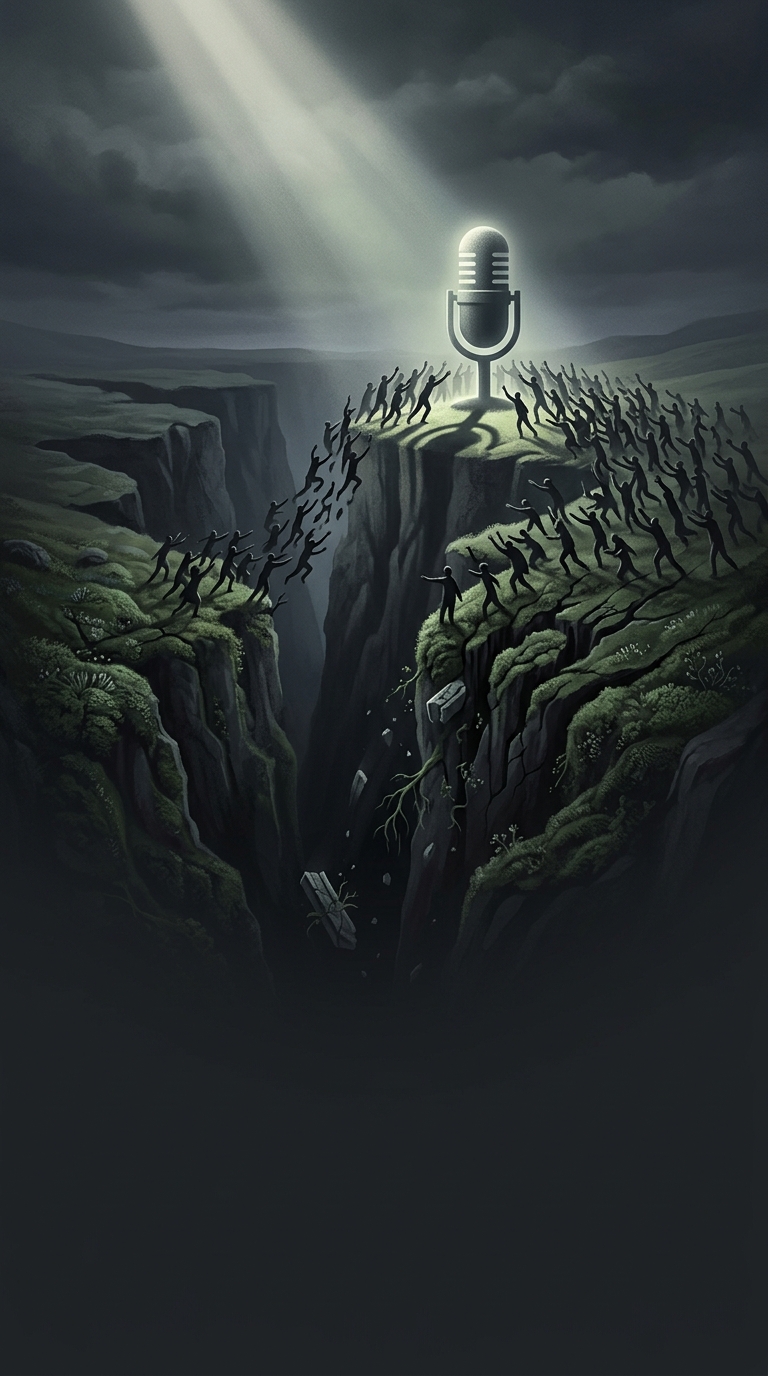
The canyon’s visibility rose after Justin Bieber filmed scenes there for “I’ll Show You.” More visitors meant more people stepping off established routes for a closer view or a photograph. Each footfall can crush plants and loosen the soil; rain and meltwater can then carry that exposed soil downhill, making a small worn patch harder to recover.
A Closure Buys the Landscape Time
The Environment Agency of Iceland closed access during periods when the site was especially vulnerable. A closure is a practical conservation tool: it removes the pressure while vegetation begins to recover and helps prevent visitors from widening informal paths around damaged areas.
The underlying tradeoff is common at fragile natural attractions. A famous view can draw visitors faster than trails and vegetation can withstand them. At Fjaðrárgljúfur, staying on marked routes is not merely a matter of convenience—it helps keep the canyon’s living surface from becoming a bare track.