Why Iceland’s beer ban outlasted its wider alcohol prohibition
Iceland’s unusual rule was not a ban on every drink called beer. Low-alcohol beer was permitted, but ordinary-strength beer—what most visitors would recognize as regular beer—was not. The restriction survived after the country lifted its broader prohibition on wine and spirits in 1935, leaving a legal drinking landscape in which a glass of strong liquor could be allowed while a bottle of everyday beer was not.
That distinction reflected a political worry about beer’s character as much as its alcohol content. Beer was seen as relatively cheap and easy to drink in larger amounts. Temperance advocates and officials feared it could become a routine working-class drink, encouraging heavy consumption and undermining discipline. Stronger drinks, though hardly harmless, were more expensive and less likely to be treated as an everyday refreshment. The policy thus regulated not just intoxication, but which kind of drinking seemed socially acceptable.
The ban’s end became a public date
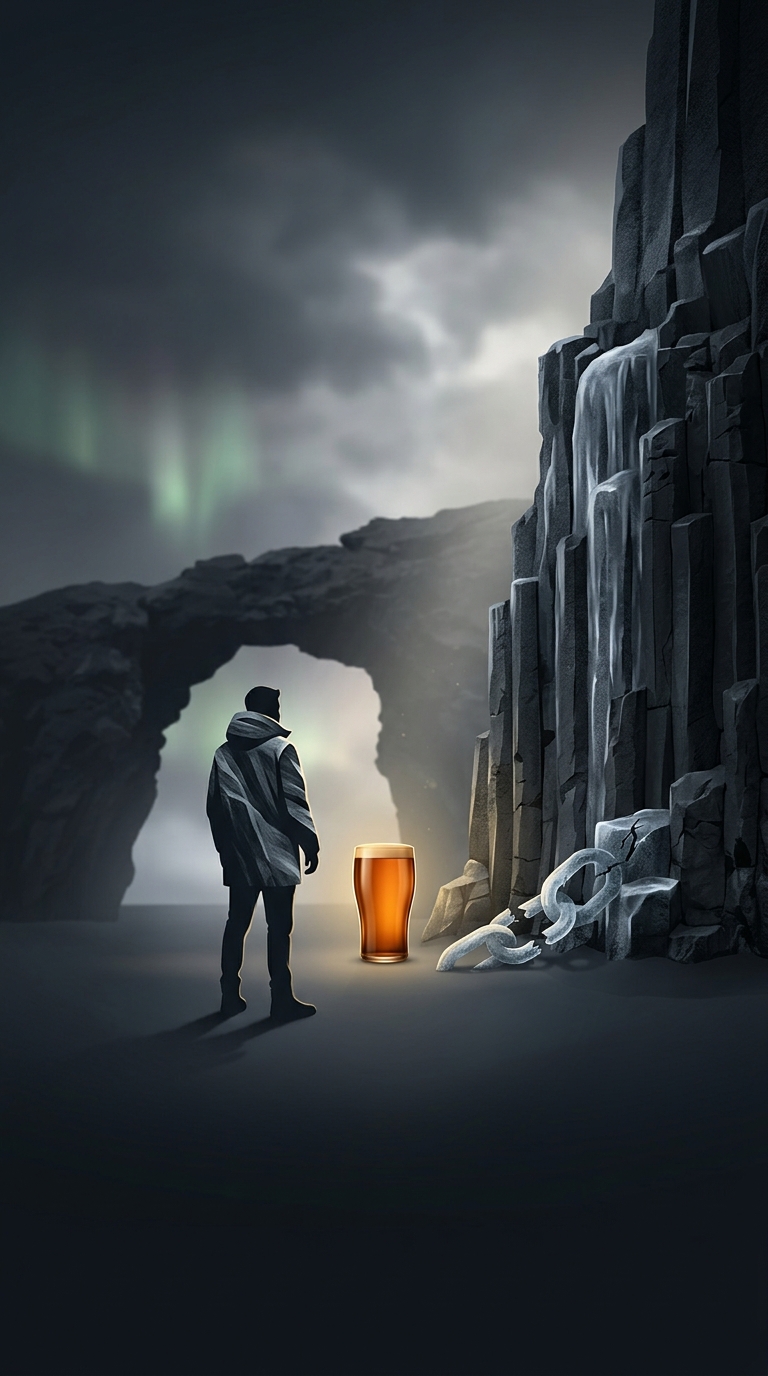
Ordinary beer became legal on March 1, 1989. Icelanders now mark the anniversary as Beer Day, turning a legislative change into a small annual ritual. For travelers, that history gives the date a place in the country’s pub culture: the celebration is not simply about beer, but about how long an everyday drink was kept apart from other alcohol by law.
The episode also shows why Iceland’s alcohol history can sound counterintuitive. The boundary was not a neat division between drinking and abstinence. It was a judgment about affordability, habit, and social class—one that made beer, rather than stronger liquor, the drink kept outside the law longest.