How Baedeker’s Stars Turned Sightseeing Into a Ranked Route
A traveler arriving in an unfamiliar city faced a practical problem: there were more churches, museums, ruins, and viewpoints than time to see them. Baedeker’s star ratings offered a quick way to sort the choices. A mark beside a sight signaled that the guide considered it especially worth a visit, making the book both a source of information and a tool for planning the day.
A Guidebook Could Shape What Visitors Noticed
The stars made recommendations easy to scan while walking. Instead of weighing every attraction from scratch, tourists could follow the guide’s hierarchy: prioritize the top-rated landmark, then fit in lesser sights if time allowed. That was useful for travelers with tight schedules, but it also gave the guidebook unusual influence over what counted as a must-see.
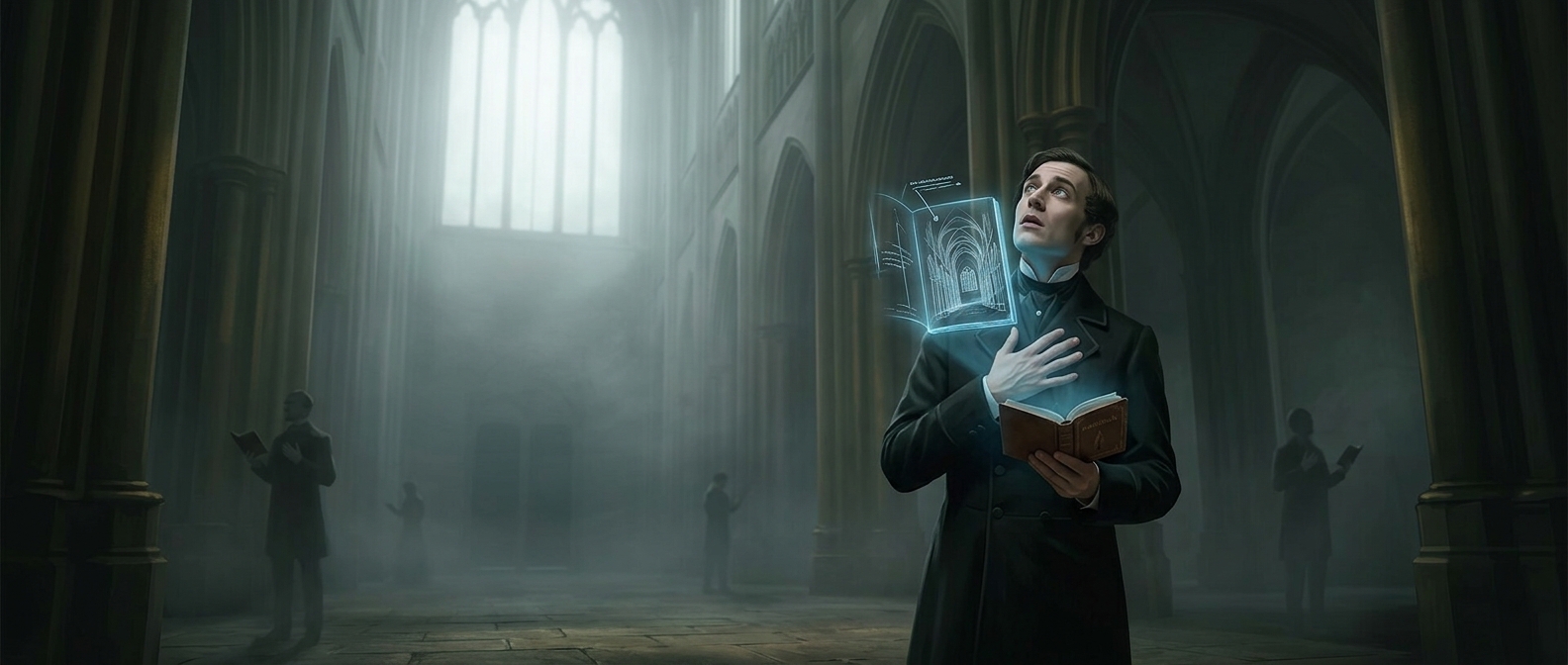
The system did not make the lower-rated places worthless, nor could a rating capture every visitor’s interests. Yet a compact symbol could carry more force than a paragraph of description. Some travelers reportedly consulted their books so closely that they moved through Europe with their attention on the page, reserving their strongest expectations for the highest-ranked sights.
The Rating Became Part of the Experience
A star was more than a verdict about a building or landscape: it helped turn looking into a sequence of priorities. Visitors could arrive already knowing which view they were meant to admire most. The guide did not just help tourists find Europe’s sights; it helped teach them how to rank what they saw.