When a Role’s Physical Habits Follow an Actor to an Audition
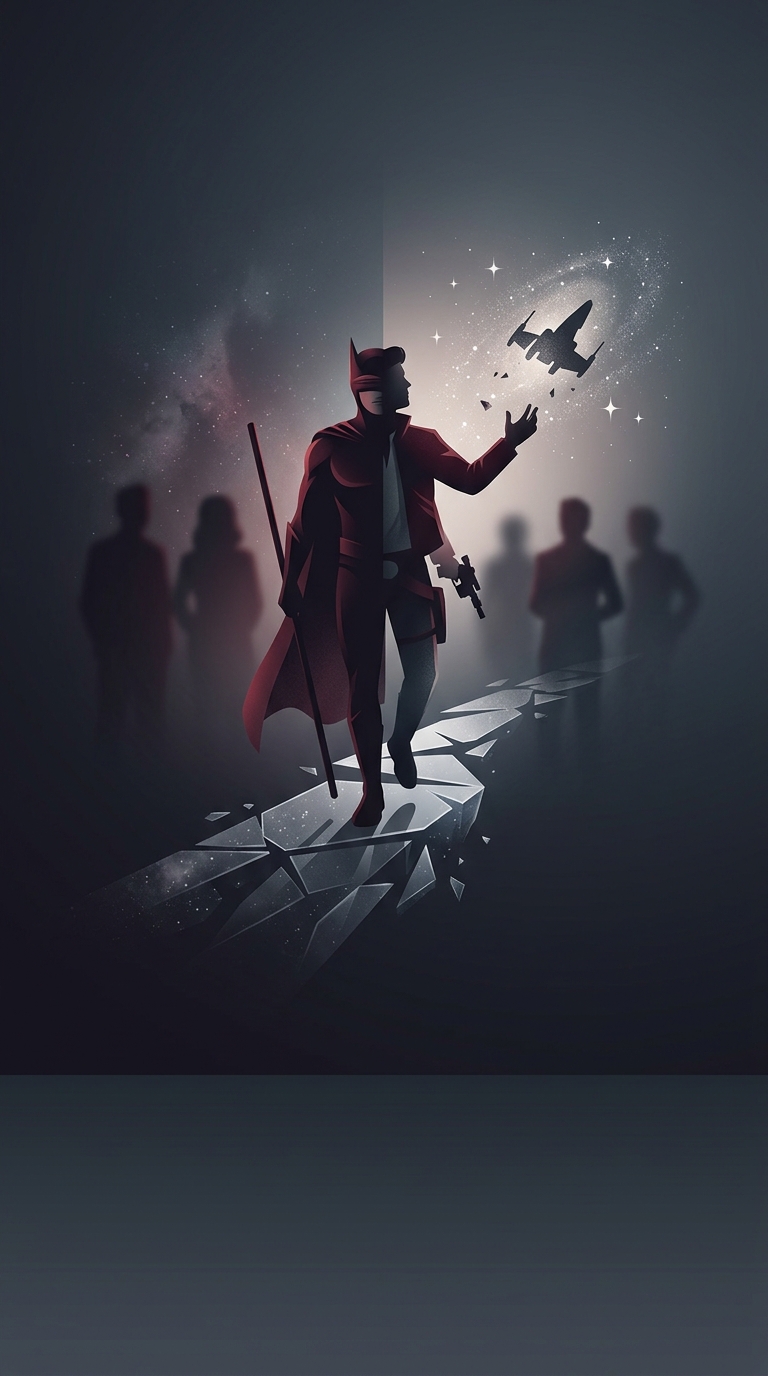
Playing a blind character does not mean simply keeping the eyes still. An actor must build a different pattern of attention: listening for cues, turning toward a voice, and avoiding the automatic glance that usually signals interest or connection. Charlie Cox has described how working as Daredevil trained him not to make eye contact—and how that habit carried into his audition for Han Solo.
That transfer makes sense because performance relies on repeated physical choices. Rehearse a gesture often enough and it can become the body’s default, even outside the scene where it was learned. In an audition, that default can work against the role: Han Solo is expected to meet other people’s gaze and project quick, easy confidence. An actor who looks away may instead seem distant, uncertain, or simply out of sync with the room.
Why the Mismatch Matters
Casting is not only a test of whether someone can deliver lines. The room also gives directors and casting staff a fast impression of how an actor’s presence fits a character. A small behavior such as eye contact can shape that impression before anyone has time to explain it.
Cox’s story is a compact example of the physical aftereffects of immersive acting: a useful choice for one character can become an unhelpful reflex when the next role demands the opposite. The surprising part is not that he forgot how to act, but that a practiced performance habit could linger long enough to influence an audition for a very different kind of hero.