The injury changed the size of one pupil
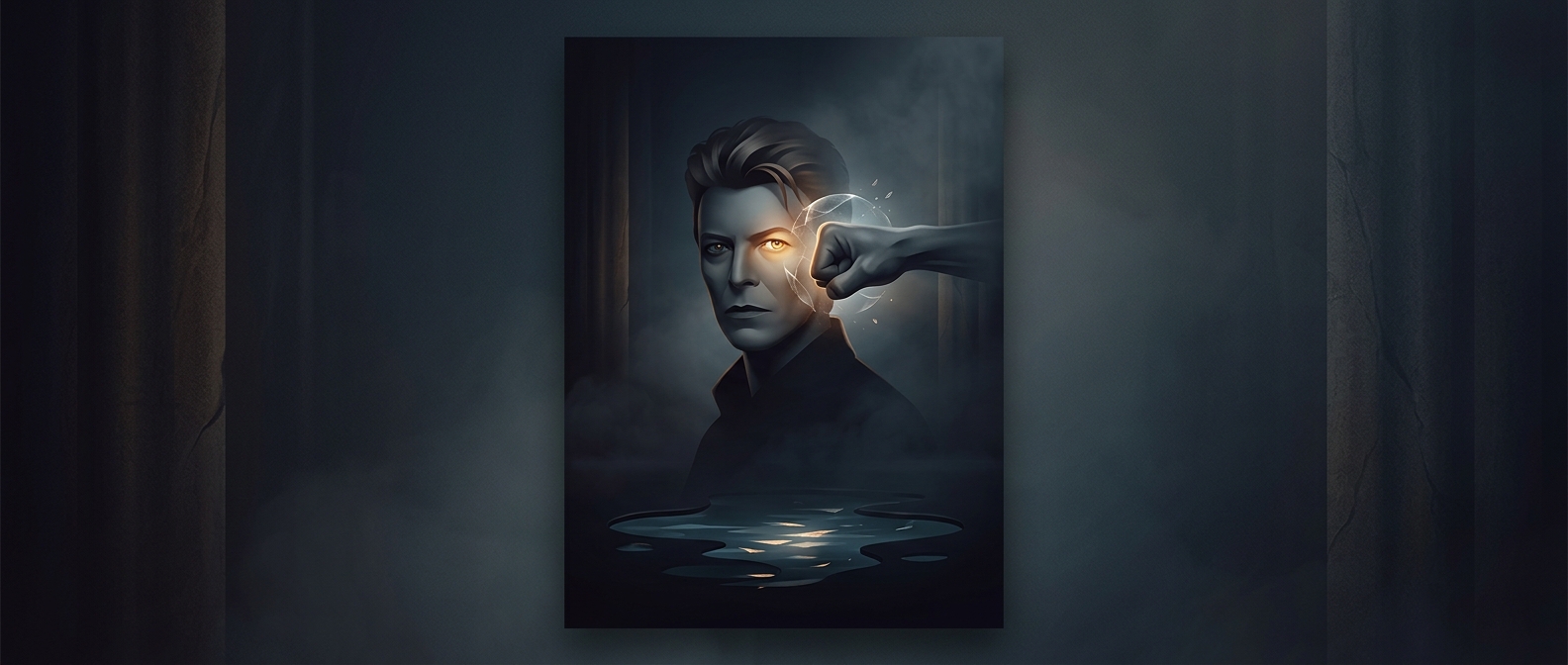
The lasting difference in David Bowie’s eyes was not a change in their color. It was anisocoria, the medical term for pupils that are different sizes. After the blow, the pupil in his left eye remained enlarged. A pupil is the opening in the center of the eye; muscles in the iris widen or narrow it to regulate how much light enters. Injury can disrupt that response, leaving one pupil less able to constrict.
Because the pupil sits inside the colored iris, a larger one can make the eye look darker or more striking in photographs. Bowie’s eyes therefore seemed to have different colors, though the unusual appearance came from the unequal pupils.
A quarrel that outlasted the quarrel
The punch came from George Underwood, a school friend, during a dispute over a girl. The injury left Bowie with a permanent visual difference, but it did not end their friendship. Underwood later became an artist and contributed artwork to Bowie’s musical world.
That makes the story more than a simple origin tale for a memorable look: the same childhood friendship that produced the injury continued into Bowie’s creative life. Onstage and in photographs, the enlarged pupil became part of an instantly recognizable face—an accidental feature with a long afterlife in the image of a performer who was otherwise careful about reinvention.