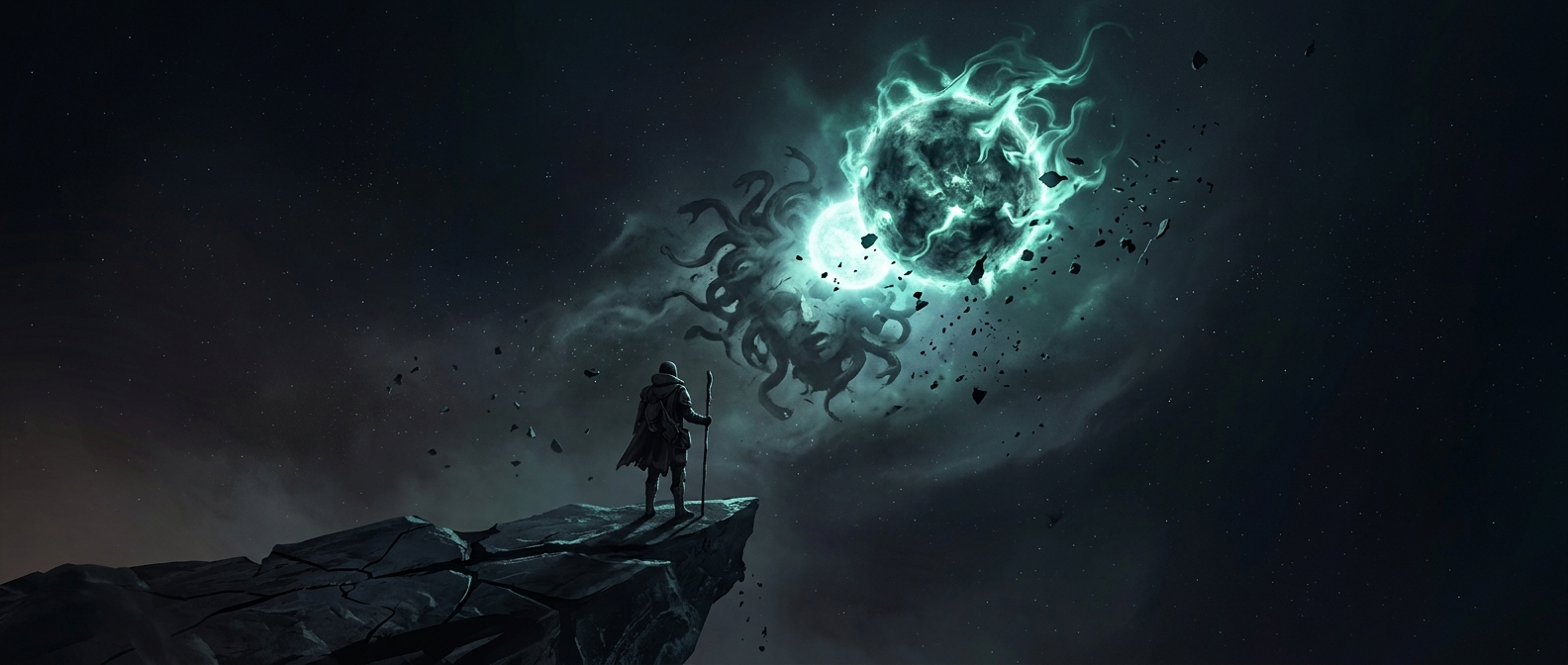
Why Algol acquired a dangerous reputation
In astrology, Algol is not treated like an ordinary planet with a broad, everyday influence. It is a fixed star—a star that appears to hold its place among the constellations—and some astrological traditions give particular weight to its position in a birth chart or at the time of an event. Within that symbolic system, Algol has come to signify danger, violence, or catastrophe, including fire.
Its name is commonly traced to an Arabic phrase meaning “the demon’s head.” In Greek mythology, the star marks the head of Medusa, the figure whose gaze could turn people to stone. Those associations help explain why Algol’s astrological image became so ominous: its reputation draws on stories and symbolism, not just its place in the sky.
A symbol, not a physical trigger
Astrological interpretations depend on a chart’s arrangement and on the rules a particular astrologer follows; the star’s presence alone does not specify what will happen. When Algol is connected with a disaster, the interpretation is therefore symbolic—an attempt to read an event through an established set of associations, rather than a demonstrated mechanism by which a star starts a fire or causes bodily harm.
That distinction matters when a tradition’s language sounds literal. Algol’s notoriety is real within astrology, where it serves as a warning-laden emblem. The physical star, however, does not make a location more dangerous: the feared consequence belongs to the interpretation, not to the light reaching Earth.