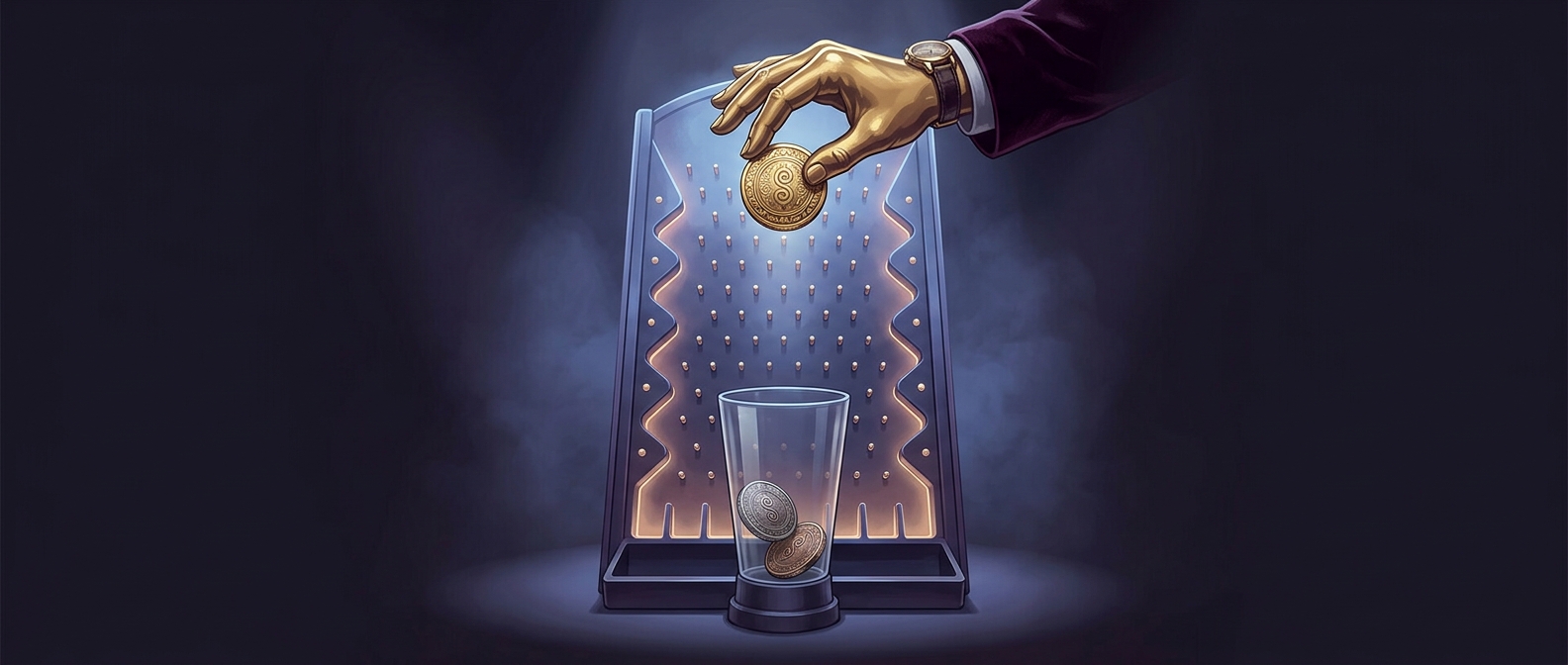
The $250 vowel is a wager on information
Buying a vowel does not buy one letter in one spot. If the chosen vowel appears in the puzzle, the board reveals every instance of it; if it does not, the contestant still pays. That makes the purchase a small, fixed-cost gamble: spend cash for a chance to make the phrase easier to solve.
Why buy instead of spin?
A spin can earn money, but it can also land on a penalty space and cost a contestant a turn or accumulated cash. Buying a vowel trades some winnings for a more predictable kind of help. A common vowel may uncover several letters at once, while a rare one may return nothing. Either way, seeing more of the puzzle can make a later solve less of a guess.
The decision depends on what is already showing. A contestant with a strong lead may be able to afford the fee and use the extra clues to finish safely. Someone with little cash may need to spin first, even if that means risking a penalty. The fixed price therefore shapes strategy: the same vowel can be a sensible investment for one player and an unaffordable luxury for another.
A fixed fee changes with the value of money
Because the fee has not kept pace with inflation, $250 represents less purchasing power than it once did. But the game’s basic choice remains recognizable: surrender a set amount of winnings for information, or risk a spin for the chance to build the total. The fee is not just a price tag; it is the cost of turning a partly hidden phrase into a clearer one.