A nightclub fight built from repeatable beats
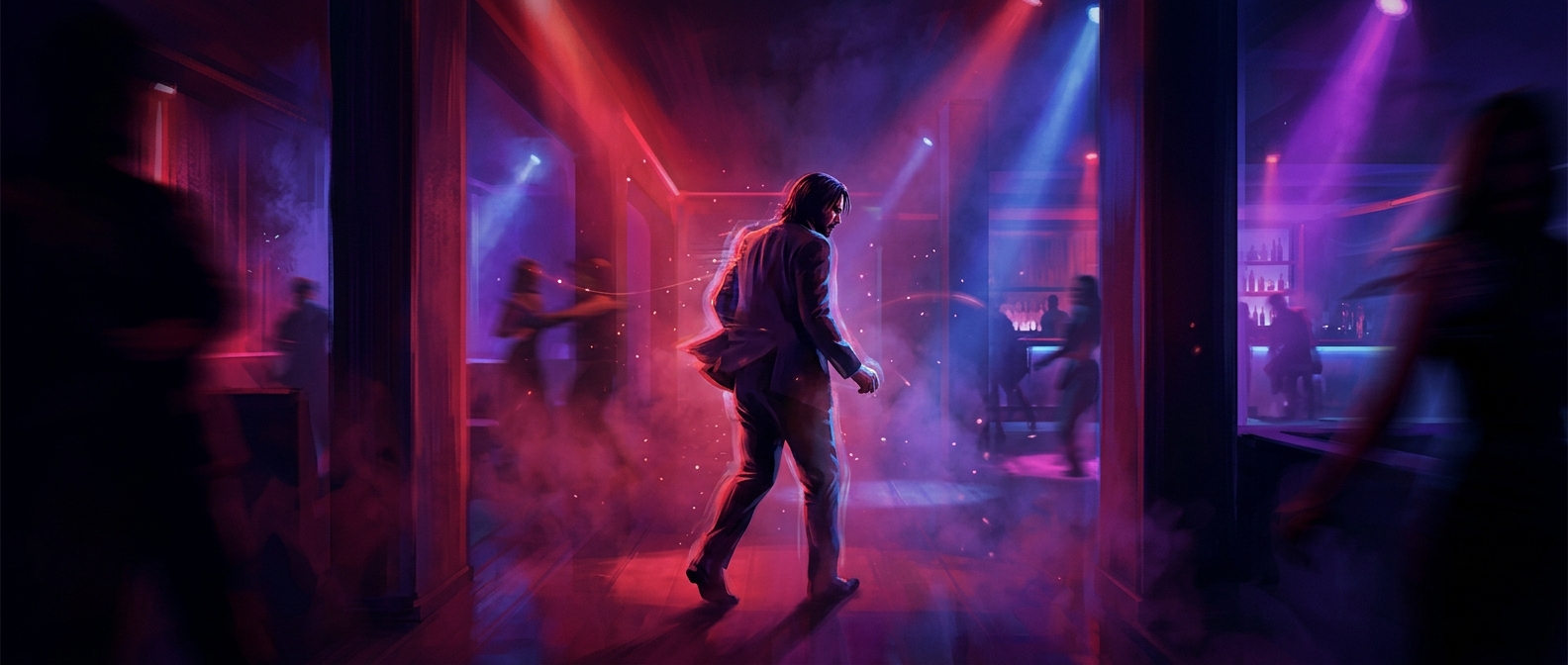
The Red Circle sequence in John Wick is not one continuous burst of combat. Like most screen fights, it is assembled from choreographed actions: performers learn where each movement begins and ends, then repeat those pieces for the camera. That structure lets filmmakers control timing, framing, and safety while making the finished exchange feel fast and chaotic.
The reported 104°F fever adds a striking complication to Reeves’s work on the scene. Fever can leave someone weak and physically taxed; it does not make demanding movement easier. The choreography still has to be performed with enough precision for partners to anticipate one another and for each action to land at the planned moment.
Why precision matters more than raw force
A convincing fight depends on controlled motion, not simply hitting harder. A performer must sell impact through posture, timing, and reaction while avoiding actual injury. Illness can make concentration and stamina harder to sustain, so completing demanding choreography under those conditions would mean working against the body’s normal limits—not gaining a special advantage from the fever.
The scene’s lasting impression comes from how carefully its violence is shaped for the screen. The fever story makes that physical effort more vivid: behind a seemingly fluid nightclub brawl is a sequence of precise, repeatable movements, performed under conditions that reportedly made the work harder.