Why the Count Feels So Fast
The 77-kill tally is more than a measure of how often John Wick fires. It captures the film’s unusually compressed rhythm: quiet stretches of preparation and pursuit give way to bursts in which several opponents fall in quick succession. Dividing the total by the movie’s running time produces a rough average, not a literal pace. The violence arrives in clusters, not at one perfectly steady kill per minute.
Action Built for the Eye
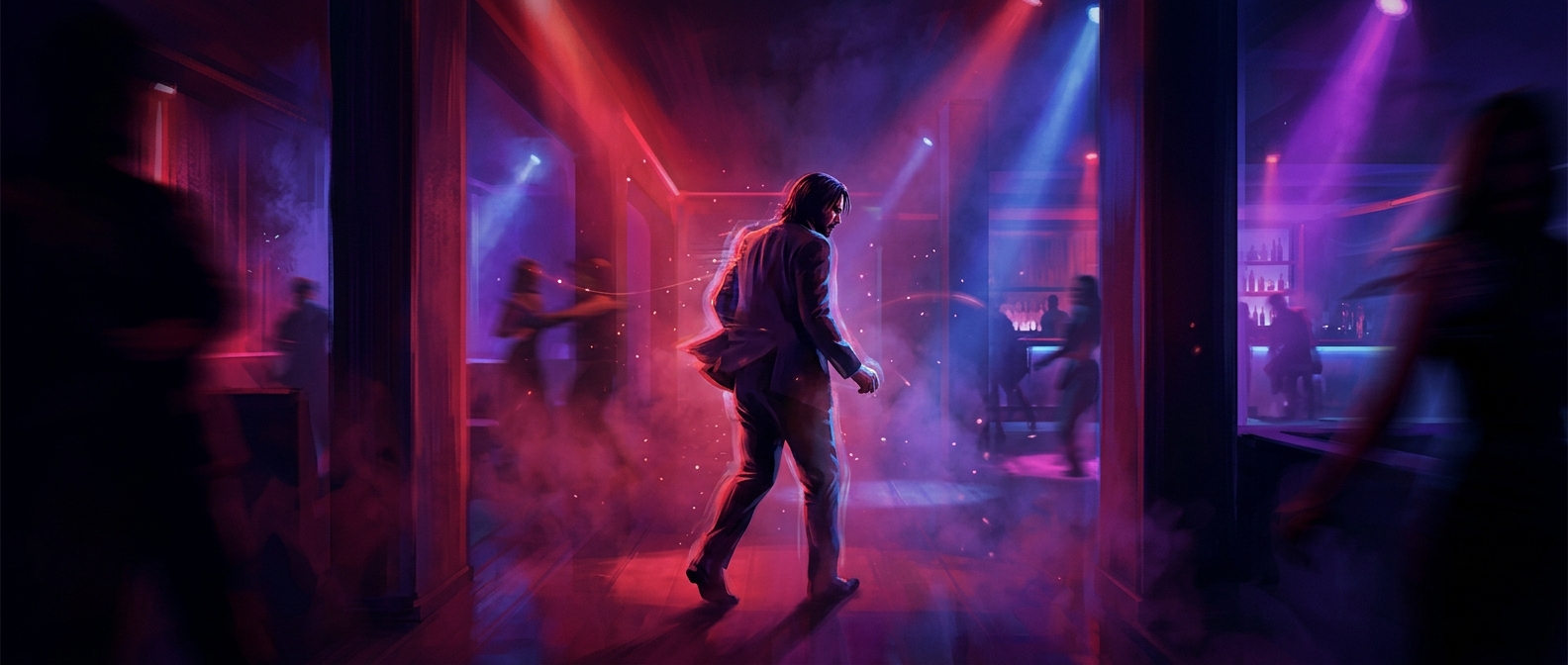
A fight scene can become hard to follow when quick cuts obscure who is where or what a character has done. John Wick makes its body count legible by treating each encounter as a sequence of clear actions: an opponent enters the frame, Wick responds, and the scene moves on to the next threat. The repeated pattern gives viewers time to register each defeat even as the overall pace stays brisk.
That clarity also changes what the tally means. Rather than presenting every opponent as a separate dramatic subplot, the film makes the growing count part of Wick’s momentum. Each confrontation narrows his path through the criminal underworld and signals that the danger around him is escalating.
A Number That Reveals the Film’s Design
Counting the deaths turns an impression—“this is a very violent action movie”—into something fans can compare and debate. But the total alone cannot describe the experience: timing, movement, and the pauses between fights matter as much as the number. The memorable trick is that the film makes dozens of defeats easy to follow, so the scale registers without making the action feel like a blur.