A screenplay built around one troubled point of view
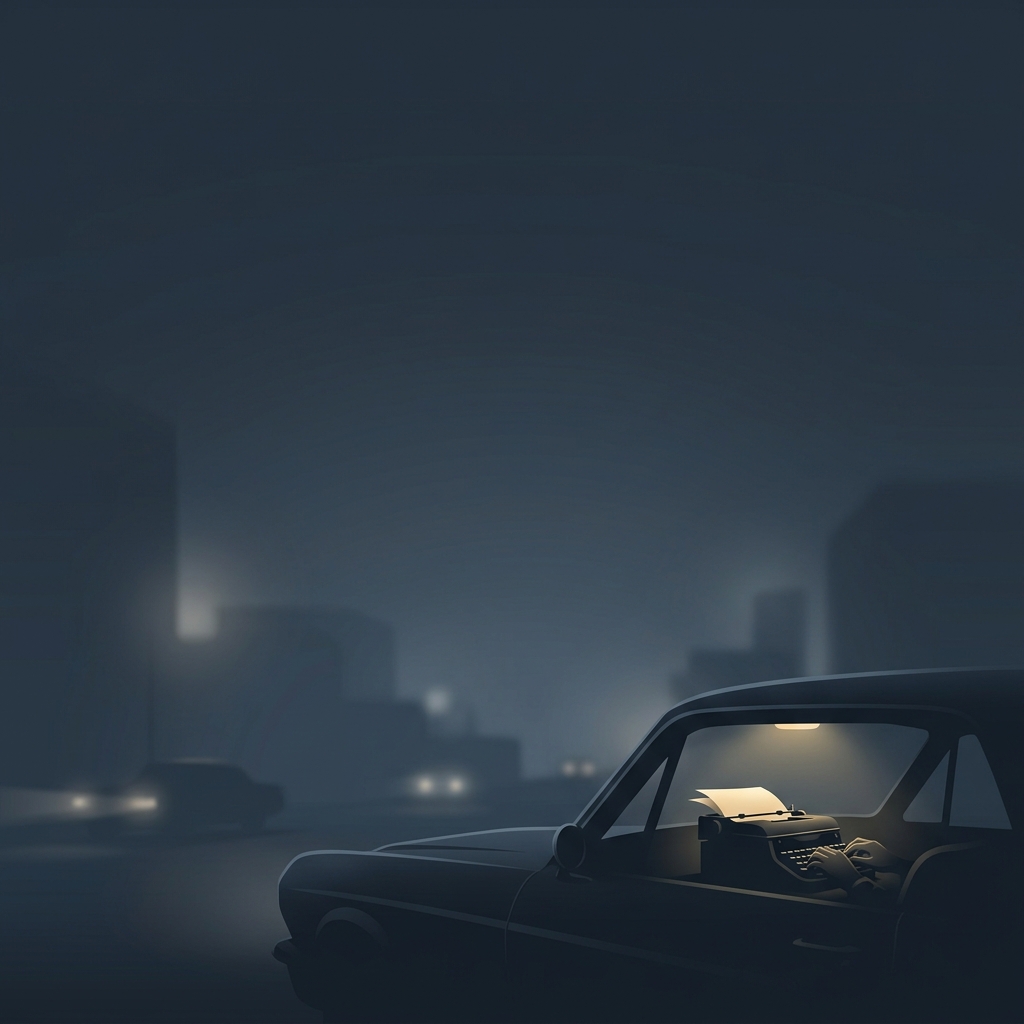
The speed of Taxi Driver’s first draft matters less as a record than as a clue to its form. The story stays close to Travis Bickle, a night-shift cabdriver whose isolation shapes how he sees New York. His diary-like narration lets the audience hear that private version of events even when his actions make it clear that his judgment cannot be trusted.
That choice gives the film a tight dramatic engine: the city is not simply a setting, but a place filtered through Travis’s growing unease. Ordinary encounters and street scenes acquire menace because viewers experience them alongside a man who is increasingly cut off from other people.
A fast draft still had to become a film
A screenplay written in a burst is a starting point, not a finished movie. It still has to be interpreted by a director, actors, cinematographers, and editors. In Taxi Driver, the central perspective provided a strong organizing idea for those choices: keep the audience close to Travis, while allowing enough distance to recognize the danger in his worldview.
That distinction helps explain why the script’s urgency is worth remembering. Its lasting force does not come just from how quickly Schrader put words on paper; it comes from the unsettling gap between what Travis believes he sees and what the audience can see about him.