A bruise became a story about being unseen
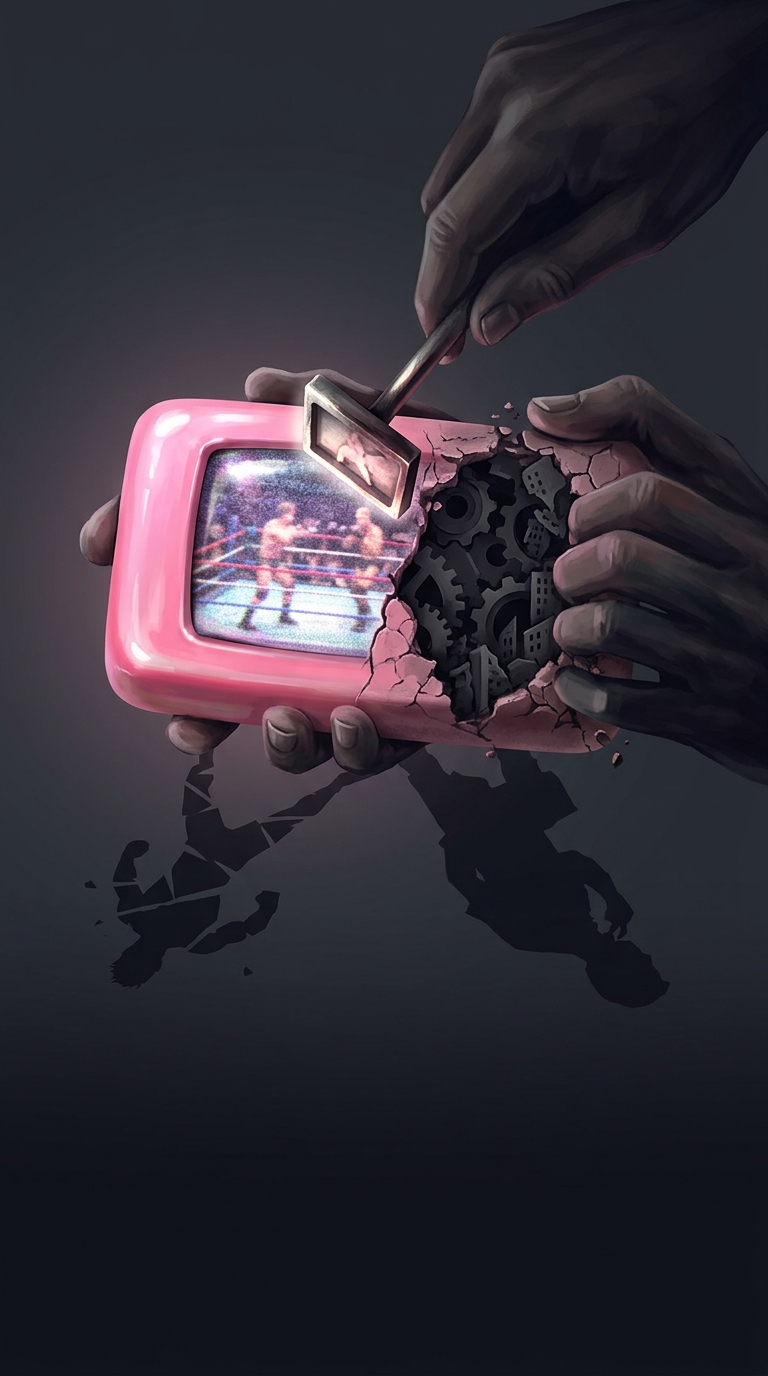
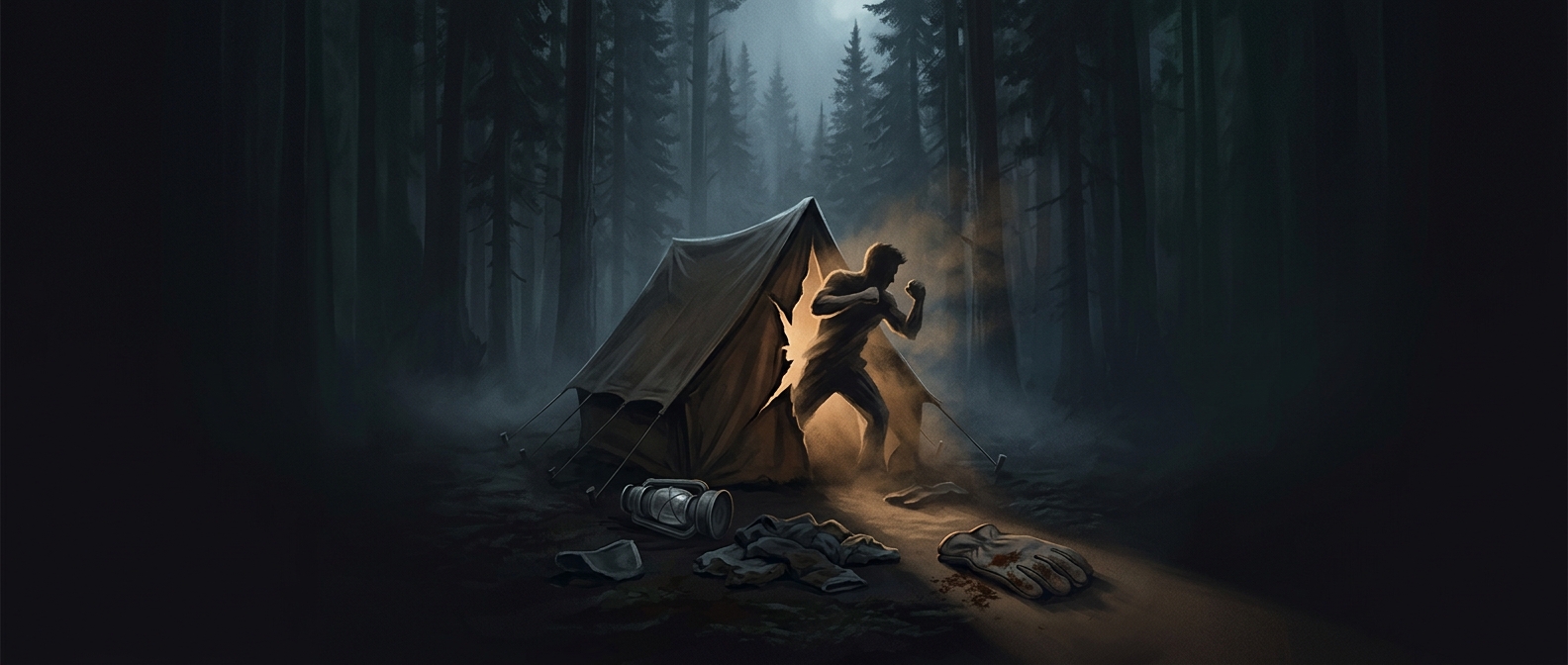
Chuck Palahniuk’s camping-trip injury gave him a sharply concrete starting point for Fight Club: a man can return to ordinary life visibly battered and still find that nobody asks what happened. The silence mattered not because it proved his coworkers were cruel, but because it exposed a social habit—people often avoid questions that might make an awkward situation harder to manage.
That small encounter supplied a premise the novel could enlarge. Its unnamed narrator is surrounded by routines and possessions, yet feels that his life is happening at a remove. He is noticed as a worker and a consumer, but not necessarily met as a person with pain or anger.
Why the fights matter in the novel
The underground fights turn that absence into a physical ritual. Participants accept blows that polite conversation would rather ignore; the injuries become impossible to overlook. Fighting offers the narrator a blunt kind of recognition—someone is present, paying attention, and responding—but it is also destructive. The story does not make violence a healthy cure for loneliness. It shows how a need for connection can be captured by a group that gives it a dangerous form.
Palahniuk’s experience was a seed, not a complete explanation for the book. Its lasting force comes from the transformation: an unanswered question at work becomes a fictional world where people deliberately make themselves impossible to ignore. The bruise was temporary; the social silence became the novel’s engine.