Why tentpole stories keep expanding
There is no industry rule requiring a blockbuster to run longer. The pressure comes from what studios and filmmakers want a single “event” movie to accomplish: tell a complete story, serve several major characters, deliver large-scale action, and sometimes leave room for a franchise sequel. Each added thread can make the film feel richer, but it also takes time to introduce, develop, and resolve.
That burden is especially visible in sequels and shared-universe films. A returning character may need little explanation, while a new setting, villain, or power system needs more. The result is a film carrying both its immediate plot and the work of keeping a larger series coherent.
The tradeoff behind the extra minutes
A long runtime can make a theatrical release feel like a substantial event, particularly when it promises spectacle and a large cast. But it has a cost: a longer screening means fewer showings can fit into a theater’s day. Studios therefore have reason to keep films moving, while filmmakers may argue that cutting a scene would weaken a character arc or make a major turn harder to follow.
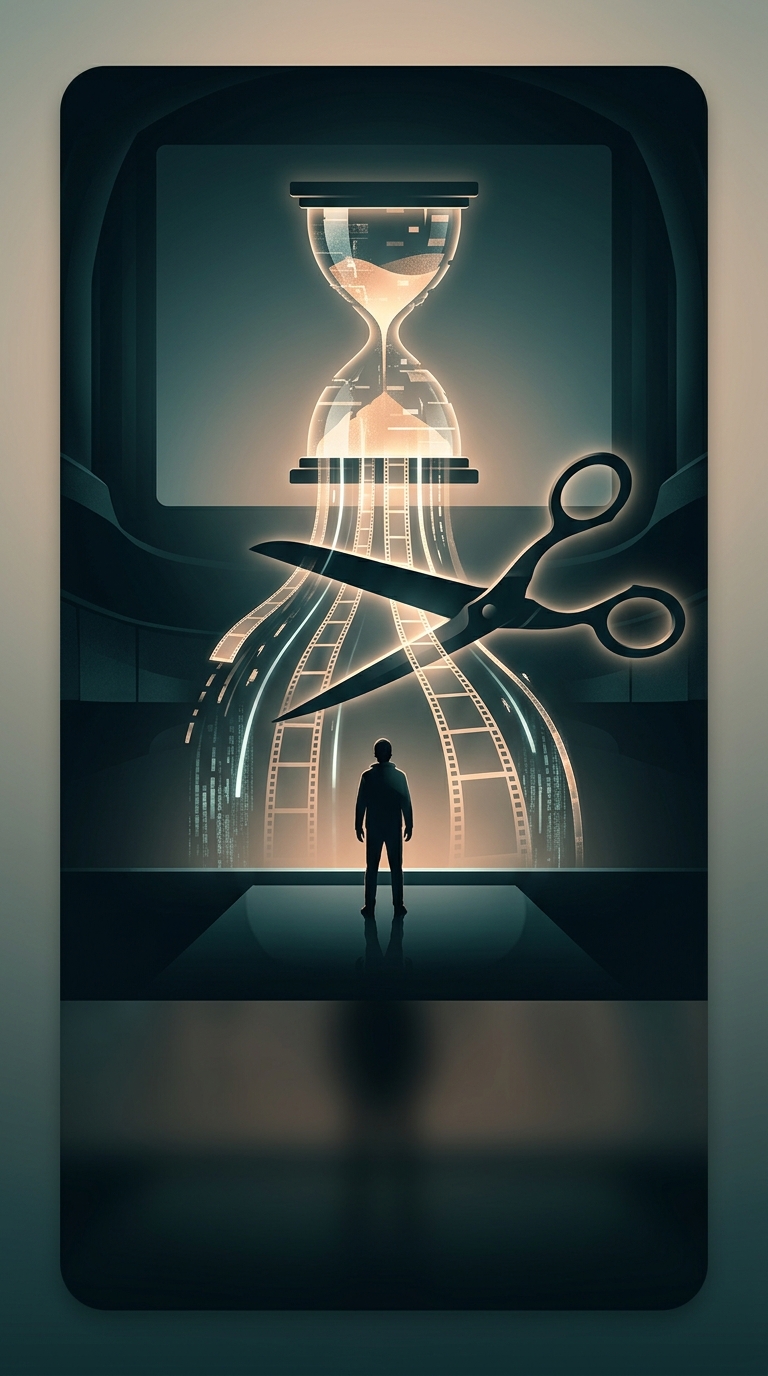
Runtime often grows through accumulation rather than one deliberate decision. A subplot adds context; an action sequence needs room to establish danger and consequence; a quieter scene gives the audience time to absorb a loss or a reveal. In editing, the question is not simply whether a scene is good, but whether removing it damages the whole chain of cause and effect.
Longer is a choice, not a requirement
The central tension is that blockbusters are asked to be both focused films and sprawling franchise chapters. When every character, spectacle, and setup is treated as essential, the running time expands. The minutes are not automatically proof of ambition or quality—but they show how much a movie is being asked to carry before the credits roll.