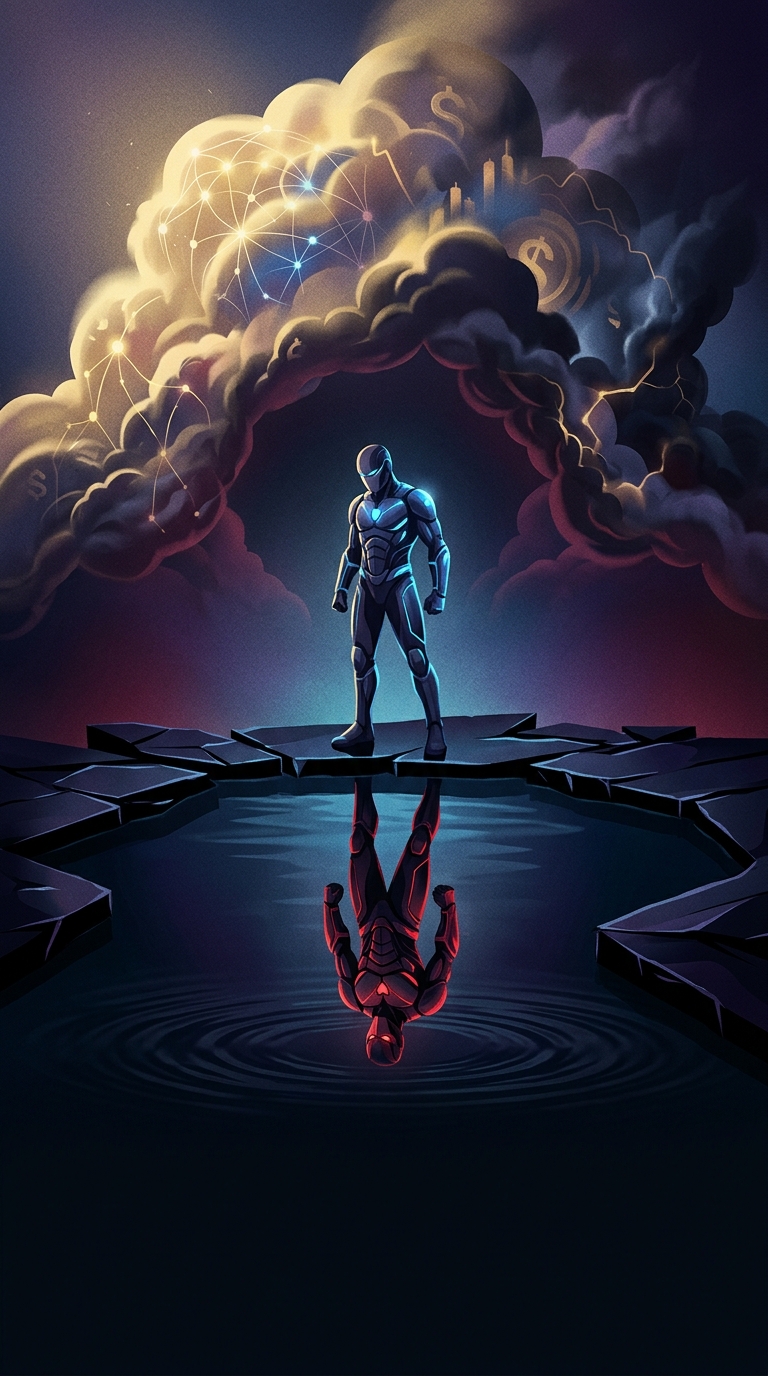
A rival who can meet the hero blow for blow
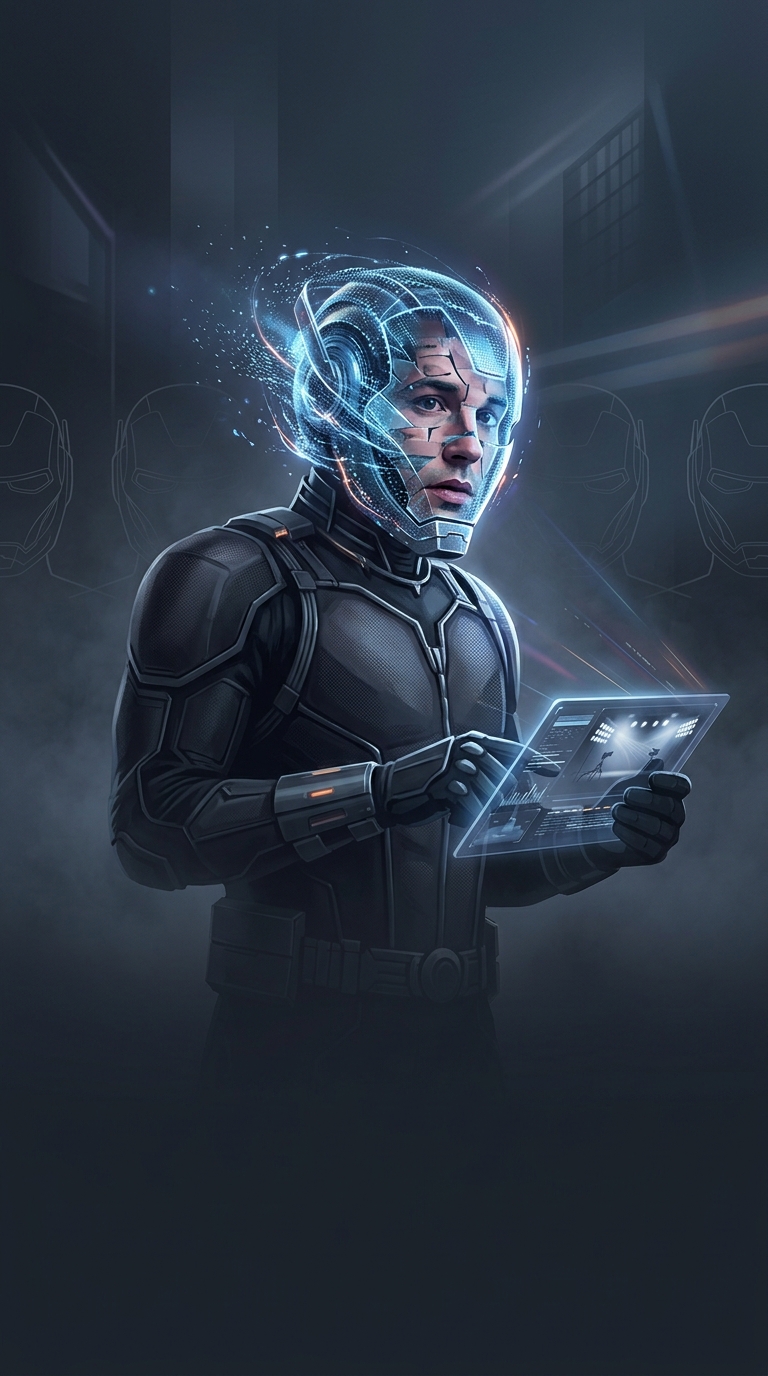
When a villain has the hero’s abilities, the movie can make the central question visible: if both can fly, lift a building, or move at superhuman speed, what will let one win? The audience does not need a new set of rules to understand the danger. A punch that could stop an ordinary opponent may mean nothing against someone equally strong.
That parity also makes action easier to follow on screen. Matching powers create clear visual contrasts—two figures colliding in midair, or one using the same ability more cleverly than the other. The fight can escalate without constantly introducing unfamiliar weapons or explaining why a new power suddenly matters.
The difference has to come from somewhere else
Once raw ability is balanced, filmmakers can shift the contest to tactics, restraint, experience, or priorities. A hero may hold back to protect bystanders while the villain does not. Or the antagonist may understand the hero’s abilities well enough to exploit their limits. The powers set the terms of the fight; character and choices determine its outcome.
A mirror-image opponent can also make the hero’s strengths look less automatically virtuous. Courage and determination are not exclusive to heroes; the same force of will can serve a destructive goal. The conflict then tests not just whether the hero is powerful, but what the hero chooses to do with that power.
A shortcut with a storytelling cost
The device is efficient, but it can make a movie’s climax feel like a contest of bigger explosions if the characters’ choices do not matter. Matching powers work best when the resemblance sharpens the conflict—making the villain a credible physical threat and a revealing contrast—rather than serving as a substitute for one.