Why Horror Often Leads on Return
By profitability, analysts usually mean return on investment: how much a film earns relative to what it cost to make, rather than which genre brings in the most dollars overall. On that measure, horror is often cited as Hollywood’s strongest genre. Its advantage is not that every scary movie succeeds; it is that a modest production can become a substantial hit without needing blockbuster-level revenue.
The Budget Advantage
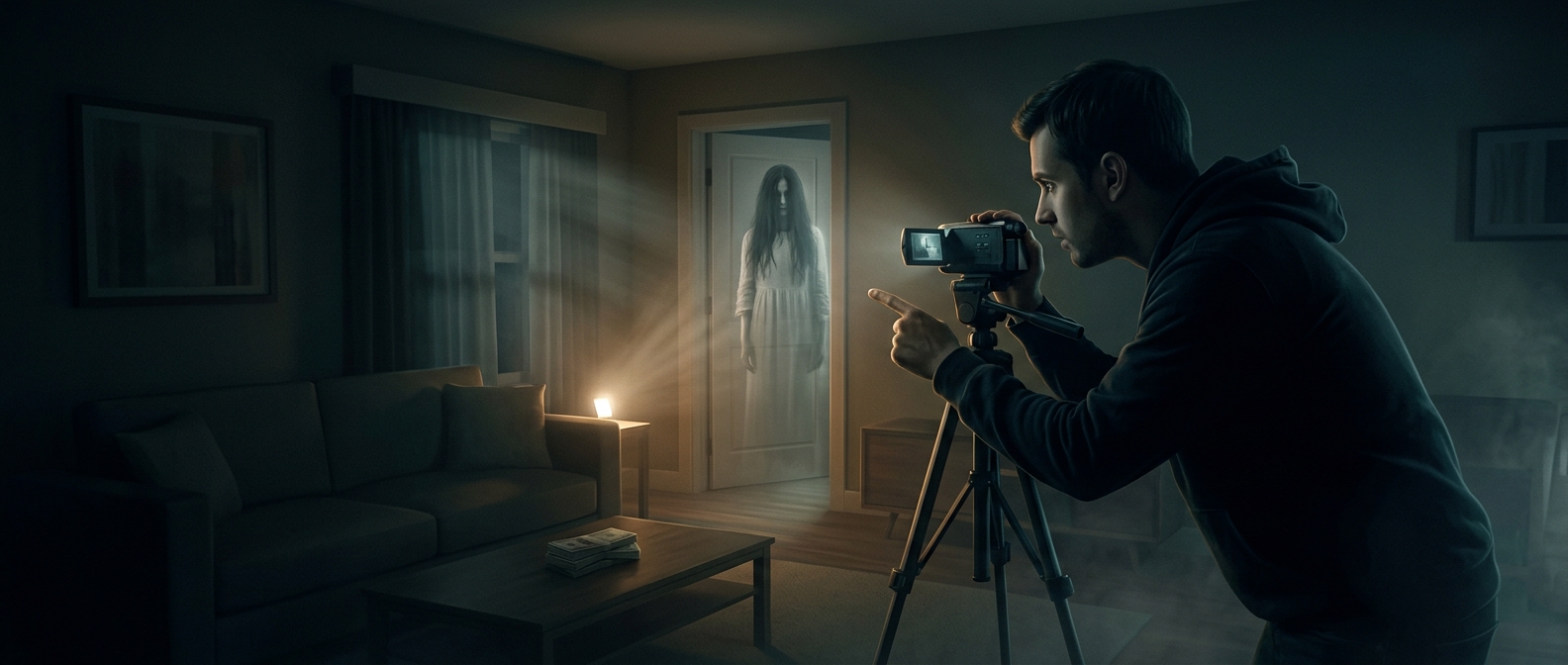
Horror can create suspense with a small cast, a limited number of locations, and effects that need not be elaborate. A filmmaker can make a threat frightening through sound, shadows, and what the audience cannot see. Keeping production costs contained means a film has a lower financial hurdle to clear before its ticket sales begin to pay off.
The genre also offers a clear promise to moviegoers: fear, tension, and a shared reaction in a theater. That makes a compelling premise easy to communicate in a trailer or poster. When a low-cost film catches on, its earnings can be large compared with its budget—even if its total box office is far below that of an action spectacle or animated hit.
A Relative, Not Absolute, Crown
The label depends on what is counted. Rankings can change with the films included, the time period, and whether “profit” means box-office revenue alone or accounts for marketing, distribution, and other costs. Box-office totals also do not flow entirely back to the studio. So horror is best understood as a frequent leader in percentage return, not a guaranteed winner or the genre with the biggest overall grosses.
That distinction explains the business appeal: a studio can take a chance on a contained horror film, while a successful one may earn many times its production budget. The same low-cost design that makes a flop less painful can make a breakout unusually rewarding.