A coin removed from circulation
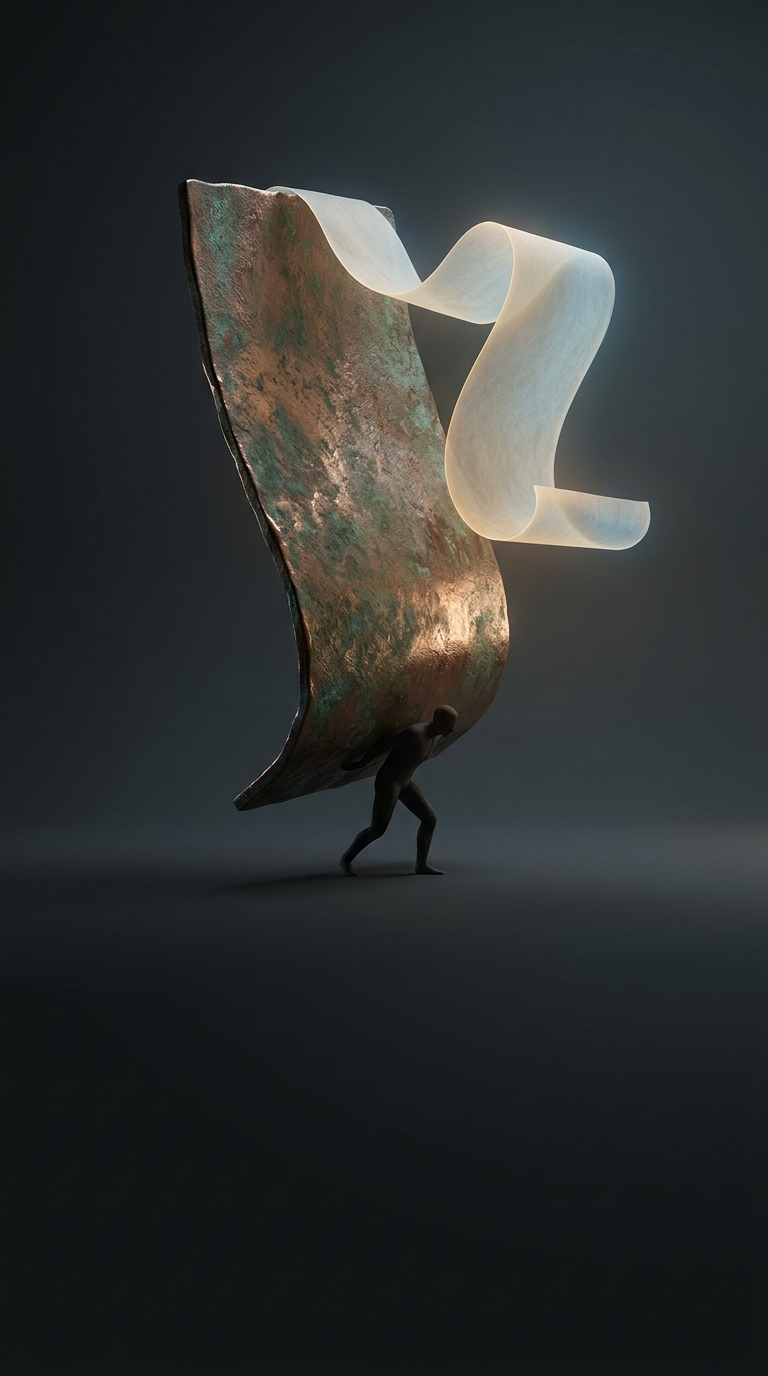
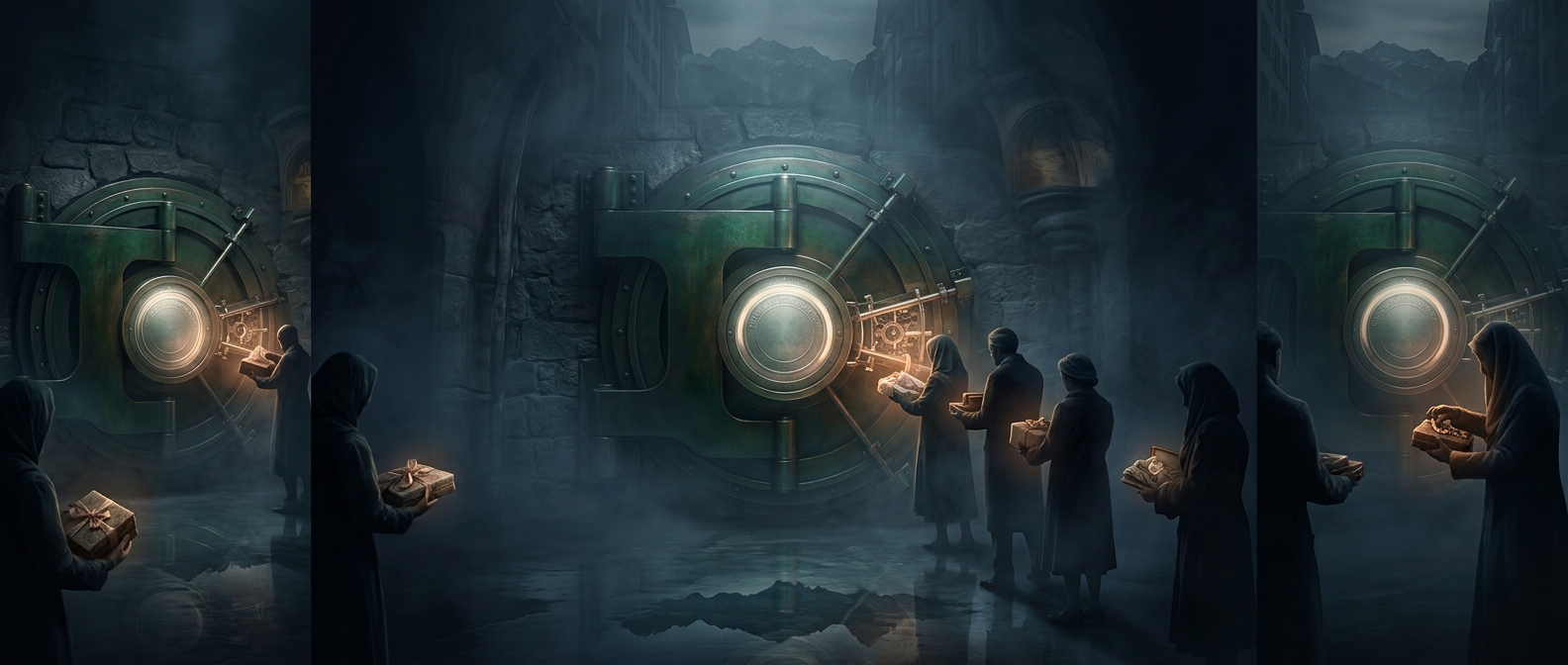
A coin placed in a bog was not simply hidden where its owner might retrieve it. In ritual terms, the act transferred something valuable from human use to a divine recipient. Once it sank into waterlogged ground, it could no longer buy food, pay a worker, or be passed to another person. The loss was part of the gift.
That made an offering an economic choice as well as a religious one. Its value came partly from what the giver gave up: a useful piece of wealth was deliberately taken out of circulation and assigned a new destination.
Why make the gift in a bog?
Wetlands could be meaningful places in their own right. A bog was neither ordinary dry land nor open water; it was a distinct landscape where offerings could be placed beyond everyday reach. Depositing a coin there made the transfer tangible: the giver could watch the object disappear into a place associated with powers beyond human control.
Coins found in such settings are archaeological evidence of that practice, though a deposit by itself cannot tell us exactly which deity was addressed or what the giver hoped to receive. The important point is the direction of the transaction: the coin went out of human hands rather than being stored for later use.
Wealth with a different purpose
An offering did not have to be enormous to matter. A small coin could express a request, gratitude, or obligation, while its removal still represented a real sacrifice. The gift worked precisely because it stopped functioning as money. In the bog, a coin’s economic value became part of a religious act—and its usefulness to people ended at the moment it was given.