How a Local Snapshot Becomes a Faraway Scene
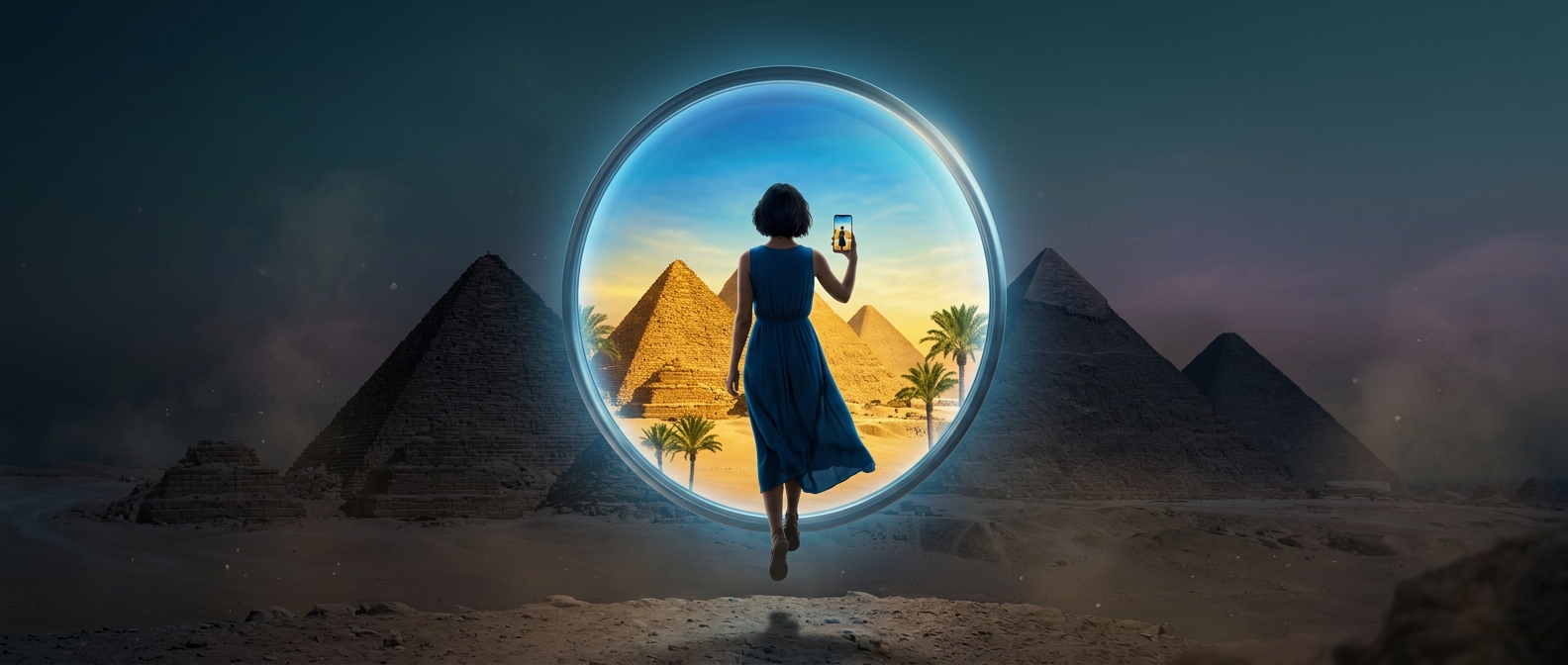
A convincing travel image can be assembled from separate pieces: a portrait or selfie, plus a landscape photographed somewhere else—or supplied as a digital background. Editing software lets a creator cut out their figure and place it into the new scene, then adjust color, brightness, and contrast so the two images seem to belong together. The result can suggest a trip that never happened.
The difficult part is making the layers agree. Light falling on a person should make sense beside the light in the landscape; the figure’s size and position should fit the apparent distance; and edges around hair or clothing must blend naturally. A mismatch in shadows, color, or perspective can make the composite feel wrong, even when viewers cannot immediately say why.
Why the Image Can Matter Beyond the Edit
On social platforms, a photograph often works as evidence of a story: where someone went, what they experienced, and what kind of life they lead. A fabricated setting can make an ordinary portrait look like proof of an adventurous outing. That can help a post attract attention, but it also blurs the line between documenting a trip and staging an image to imply one.
The distinction is not always visible in the finished picture. A polished image may be a composite, a heavily edited real travel photograph, or a genuine scene captured under flattering conditions. When an image is presented as a record of a real visit, viewers have to rely on context beyond the scenery itself. The striking rainforest backdrop may say more about the image’s construction than about where its subject has actually been.