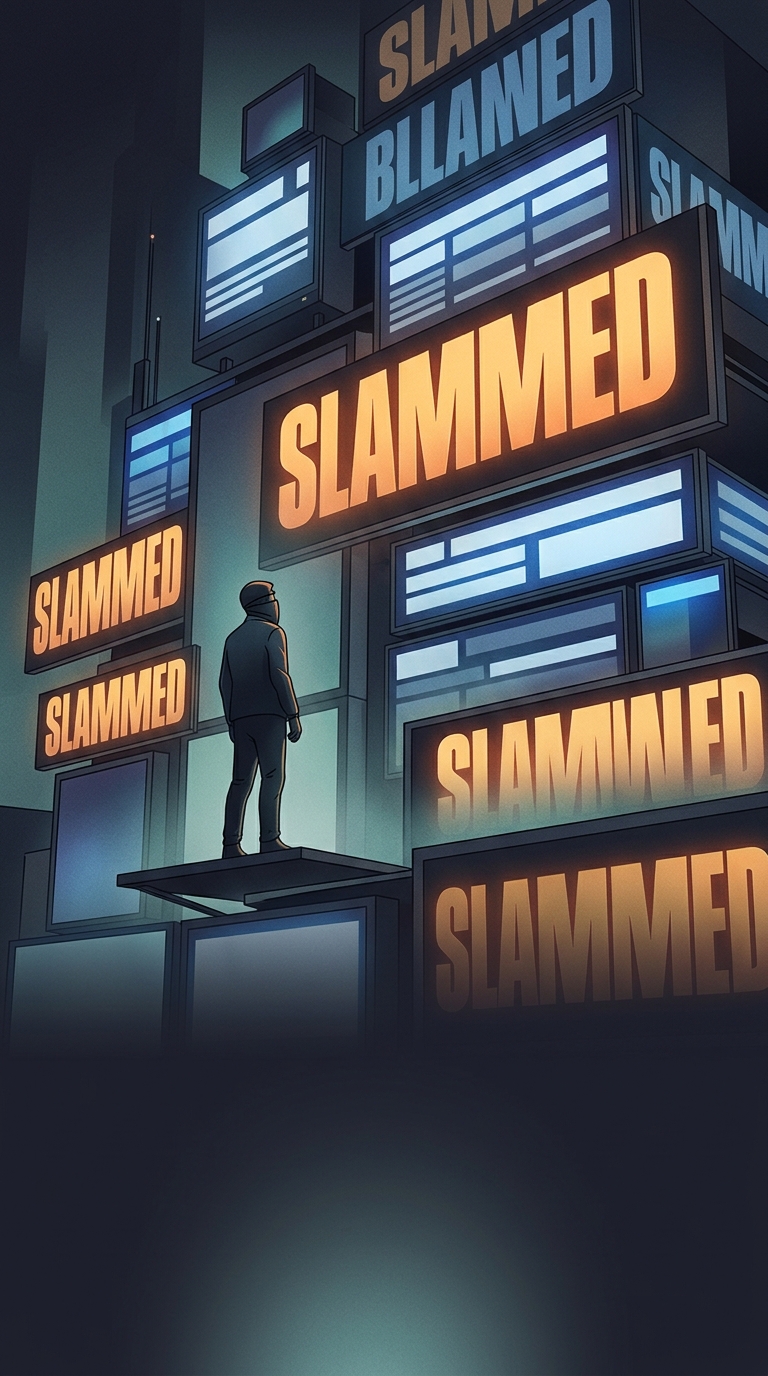
A headline is often a working draft
Online, a headline can be changed without changing the article beneath it. Editors may publish quickly while a story is unfolding, then revise the wording as details become clearer. An early headline might be cautious or provisional; a later one can name the key person, explain what happened, or correct an ambiguity once the reporting supports it.
That speed matters because a headline is part of the story’s accuracy, not just its packaging. If new information changes the emphasis—or reveals that an initial phrase could mislead—an editor may update it rather than leave readers with an outdated summary.
The same story has to work in different places
A headline appears in a news site’s layout, search results, phone notifications, and social feeds. Those settings reward different things: a short phrase may fit a notification, while a more descriptive one helps someone scanning search results understand why the article is relevant. Editors may adjust wording to make the subject or stakes clearer, or to include terms readers are likely to search for.
Some publishers also test alternate headlines. In an A/B test, different readers are shown different versions, and the newsroom compares how people respond—often whether they click. A result can prompt a change, though a higher click rate does not by itself prove that a headline is more accurate or informative.
Why the change can look dramatic
A small edit may mean replacing a vague verb with a specific one. A larger rewrite can shift the focus from a developing event to its confirmed consequence. Either way, the article’s page may keep the same address, making the new wording appear as if it arrived out of nowhere.
The tradeoff is immediate: editors want a headline that earns attention, but it also has to represent the reporting faithfully. When the wording changes soon after publication, it may reflect new facts, a clearer explanation, or a quick test—not necessarily a new story.