When the Neighborhood Starts to Feel More Dangerous
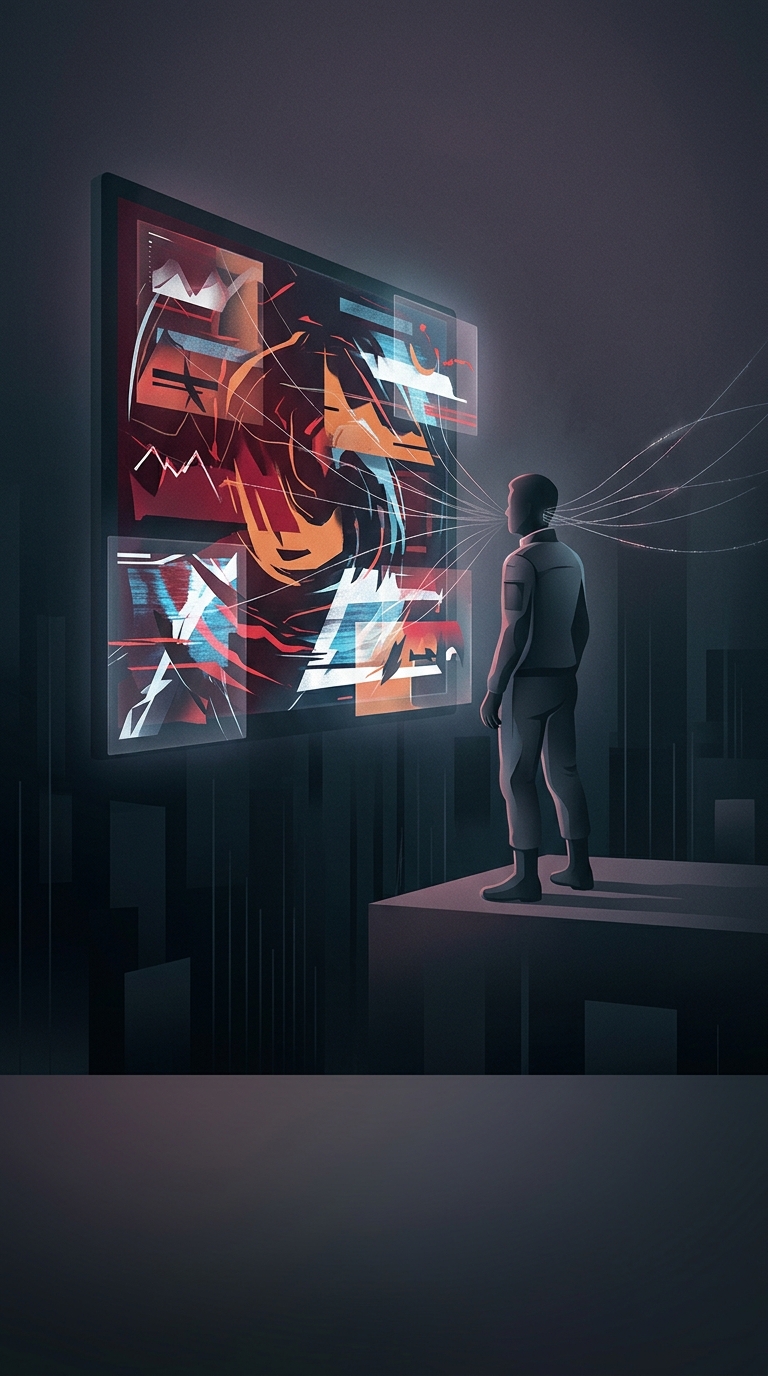
A steady diet of local television news can make danger feel closer and more common than it is. The shift is not necessarily a sudden loss of trust in other people. It is a gradual change in what comes to mind when someone judges the safety of a street, a store, or a trip home.
Local broadcasts often focus on events that are immediate, vivid, and easy to picture: a break-in nearby, a violent incident, a search for a suspect. Each story may be important on its own. But when similar stories recur, viewers can start to treat the most memorable examples as a guide to everyday risk.
Why Repetition Changes the Feeling of Risk
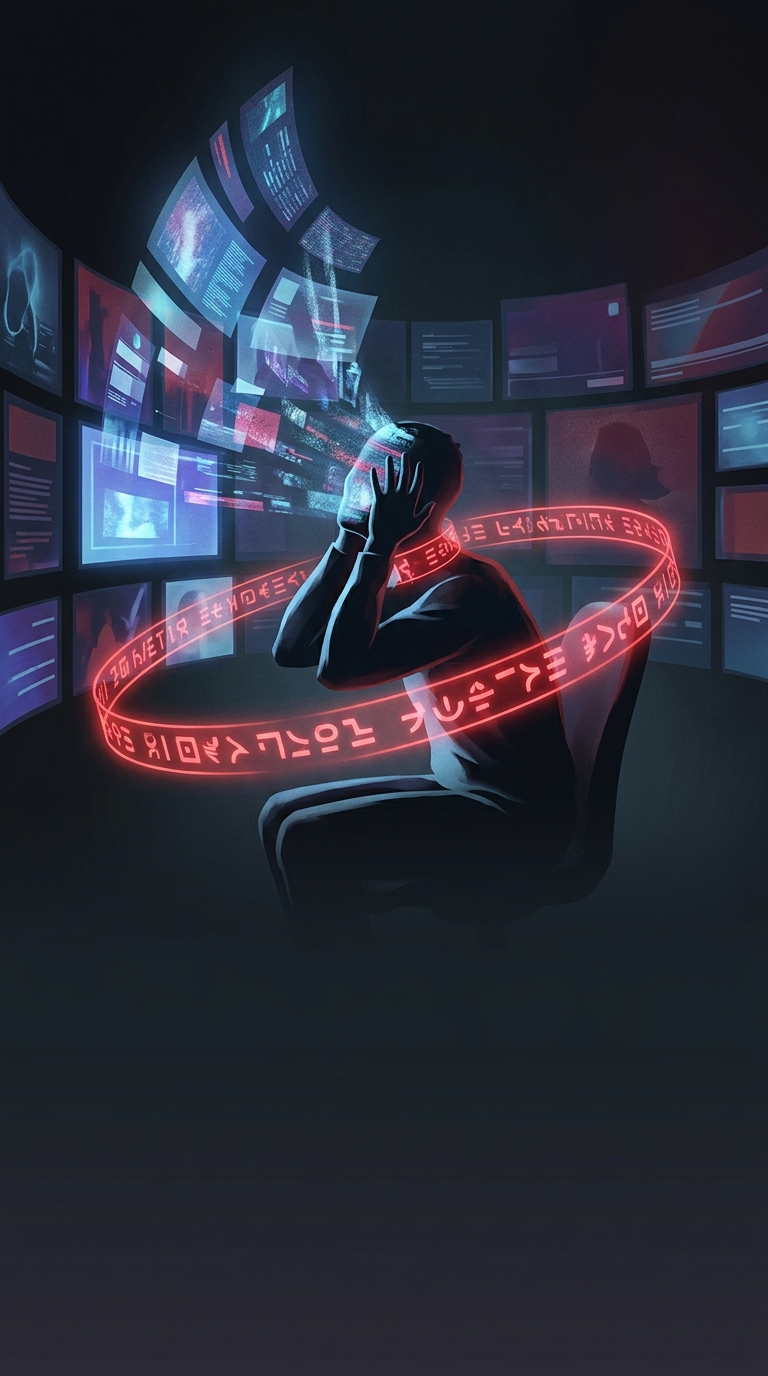
A disturbing incident is easier to recall than an uneventful drive or an ordinary day at the park. When people estimate how likely something is, they often lean on examples that come readily to mind. Psychologists call this the availability heuristic. Repeated coverage can keep crime examples close at hand, making danger seem more frequent even without a viewer consciously deciding that the whole community is unsafe.
The local setting can intensify that effect. A report about a familiar neighborhood feels more personally relevant than a distant event, and dramatic footage can make an incident feel present long after the broadcast ends. Over time, that sense of threat may shape choices: avoiding places, feeling more suspicious of strangers, or treating routine precautions as urgent necessities.
That does not mean every regular viewer will become fearful, or that a single broadcast causes a lasting change. The concern is the cumulative mismatch that can develop when frightening events dominate a person’s picture of daily life. The danger is not simply hearing about crime; it is letting the most vivid stories stand in for the ordinary days they displace.