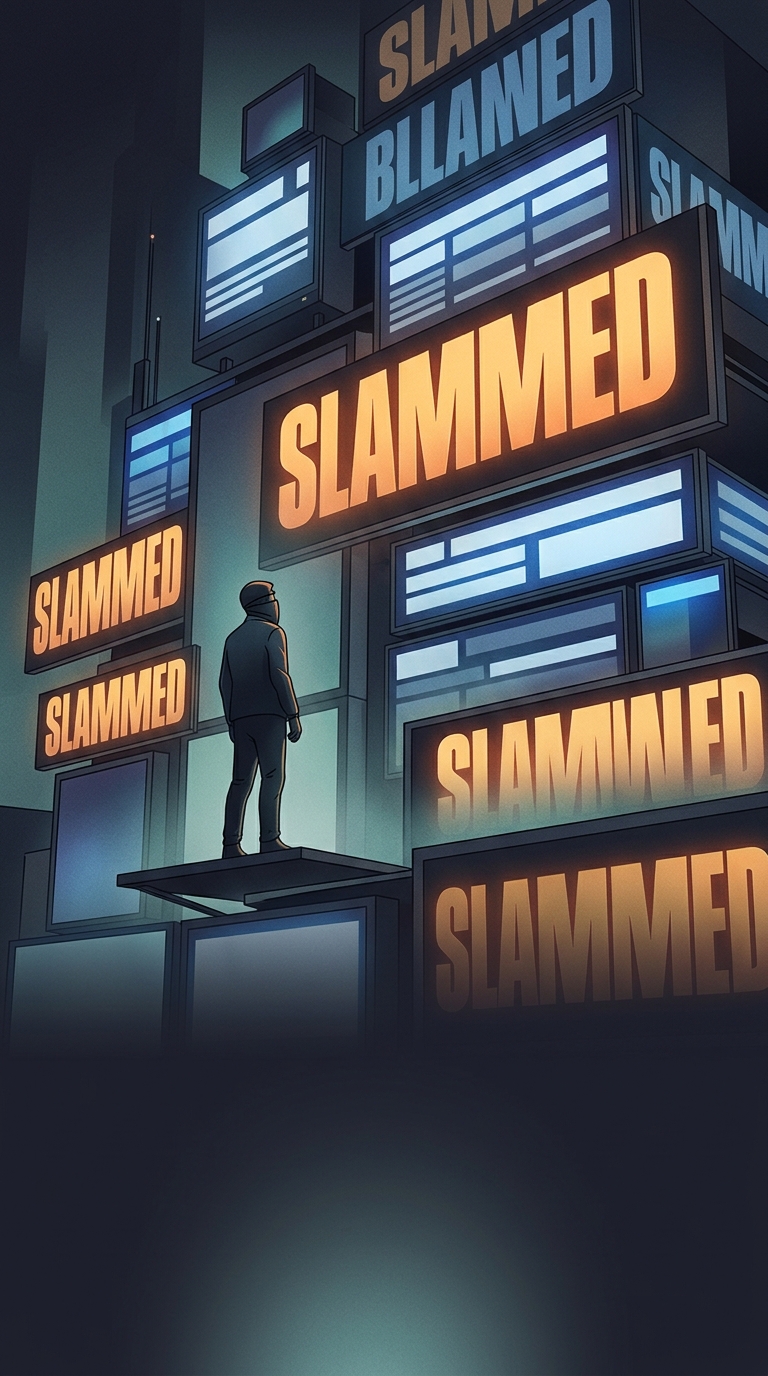
Anxiety can make a headline hard to ignore
A headline has only a few words to persuade someone to stop scrolling. Threats and uncertainty are especially effective at doing that: people tend to notice possible danger and unanswered questions because either could matter to their safety or decisions. A headline hinting that something may go wrong can therefore feel more urgent than one offering a quiet, hopeful outcome.
That urgency does not mean the article itself is equally alarming. Headlines often compress a complicated story into a sharp promise of risk, while the details and qualifications appear only after the click.
Attention is the incentive
For many outlets, attention has practical value. More clicks, shares, or time spent with a story can help attract advertising or subscriptions and can signal that a headline is reaching readers. Editors and headline writers may therefore favor wording that creates a strong emotional reaction—especially when competing stories are only a swipe away.
This does not require a newsroom to decide, story by story, to frighten its audience. The pressure can emerge from routine choices: which angle to emphasize, whether to highlight a danger, and how much uncertainty to put in the few words available. Hopeful framing can be harder to make feel urgent, while a warning or unresolved question naturally invites the reader to find out what happens next.
The tradeoff is trust
An alarming headline can bring attention in the moment, but if the story turns out to be less dire than the wording suggested, readers may feel misled. Repeatedly using that gap can make people distrust not only one outlet but news headlines generally. The tension is simple: fear may win the click, while accuracy and restraint help earn the next reader’s trust.