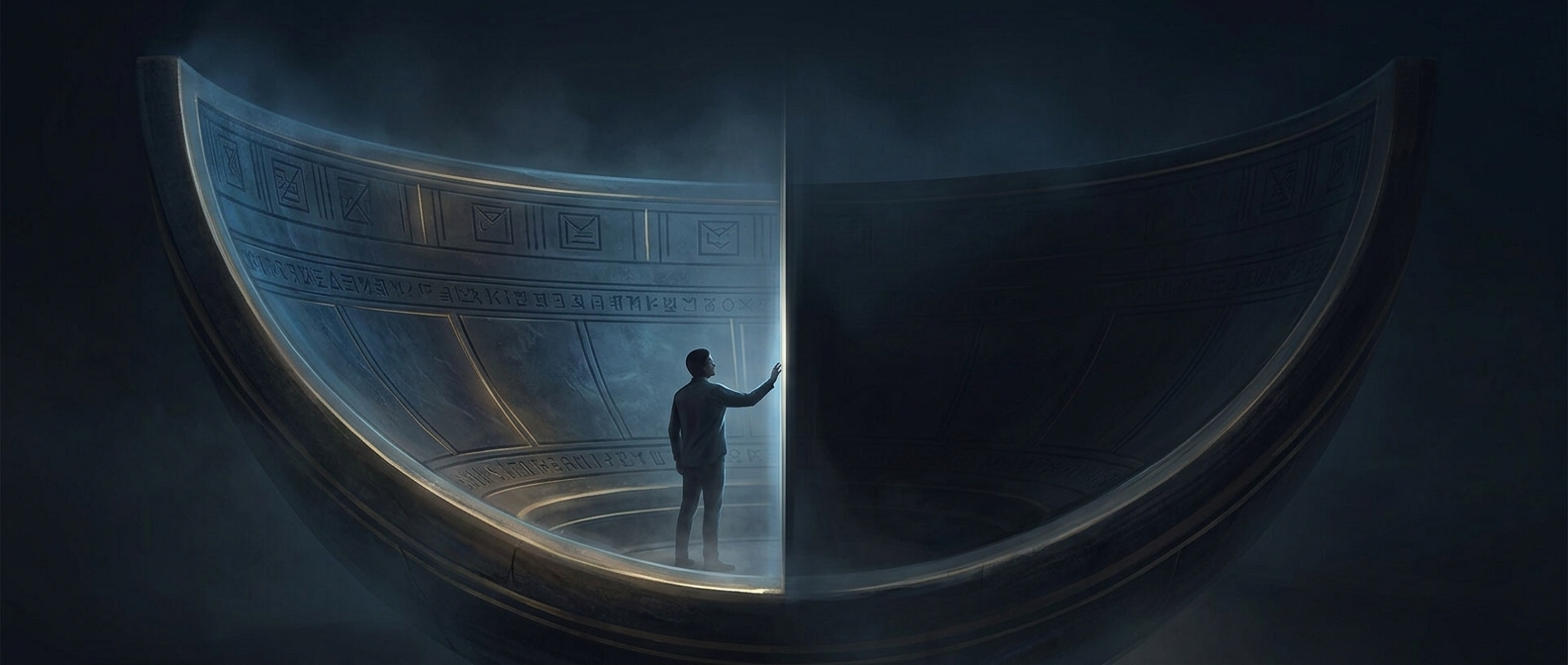
What astrologers mean by a “bowl” chart
An astrology chart maps the positions of planets around a circular wheel divided into twelve sections, or houses. When the planets cluster within roughly one half of that wheel, some astrologers call the pattern a bowl: the occupied half forms the bowl, while the largely empty half is its open side. The label describes the chart’s arrangement, not a physical feature or a measured personality trait.
The empty half becomes part of the reading
In this style of interpretation, the crowded side represents areas of life where a person’s attention and experience are thought to collect. The open side is read as a contrast: it may suggest circumstances, roles, or perspectives that feel less familiar or receive less attention. Astrologers may then look at which planets and houses fill the bowl to give that general image a more specific meaning.
The shape is best understood as an interpretive prompt, not a verdict. Two charts can both form bowls yet contain different planets in different houses, leading astrologers to tell different stories. The practical implication is that the “missing” half is not necessarily a defect; within the symbolism, it points to territory the chart-holder may be invited to notice rather than assume is already familiar.