Before a trip could be uploaded
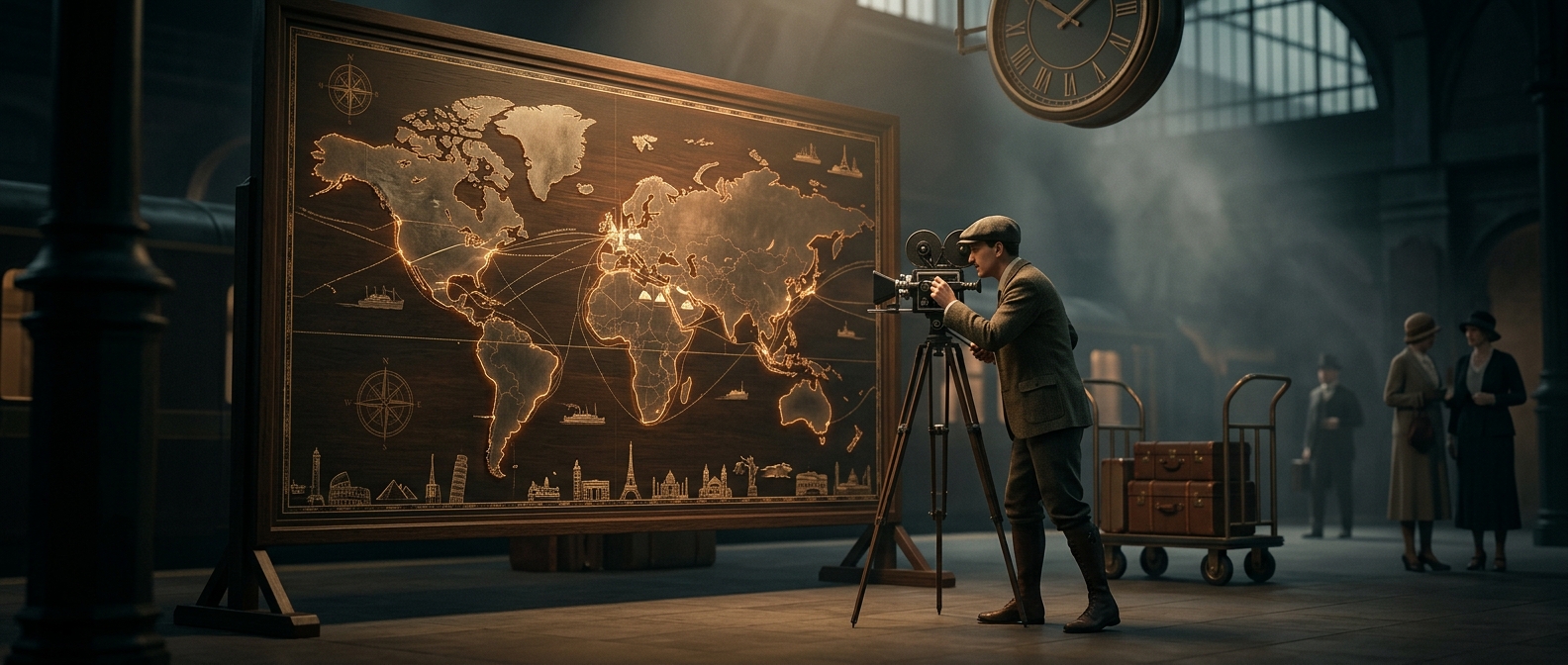
A travel video did not have to wait for a video-sharing site to exist. A camcorder could capture the journey, and a creator could later copy the footage onto a computer, edit it, and save the finished video to a portable hard drive. The internet was not the only way to distribute moving images; it was simply not yet the routine, convenient one many viewers now expect.
Sharing meant carrying the file
Passing around a hard drive turned publication into a physical handoff. Someone had to copy the files, get the drive to another person, and have a computer capable of playing them. That made an audience harder to reach and sharing slower than sending someone a link. But it also let creators circulate substantial video without relying on a public upload platform.
The format shaped the experience, too. Viewers might watch a travel diary on a computer after receiving the drive, rather than discover it through a search or recommendation feed. The creator’s route could be recorded on the road, but the audience often encountered it later, through a small chain of personal connections.
The journey had two routes
These early vlogs followed two paths: the trip itself, then the footage’s journey from one person’s storage device to another. Online video platforms changed that second route. Once uploading became commonplace, a creator could make a recording available remotely instead of physically transporting the file—turning a travel memory from something passed around into something people could find from afar.