The past has to make room for the present
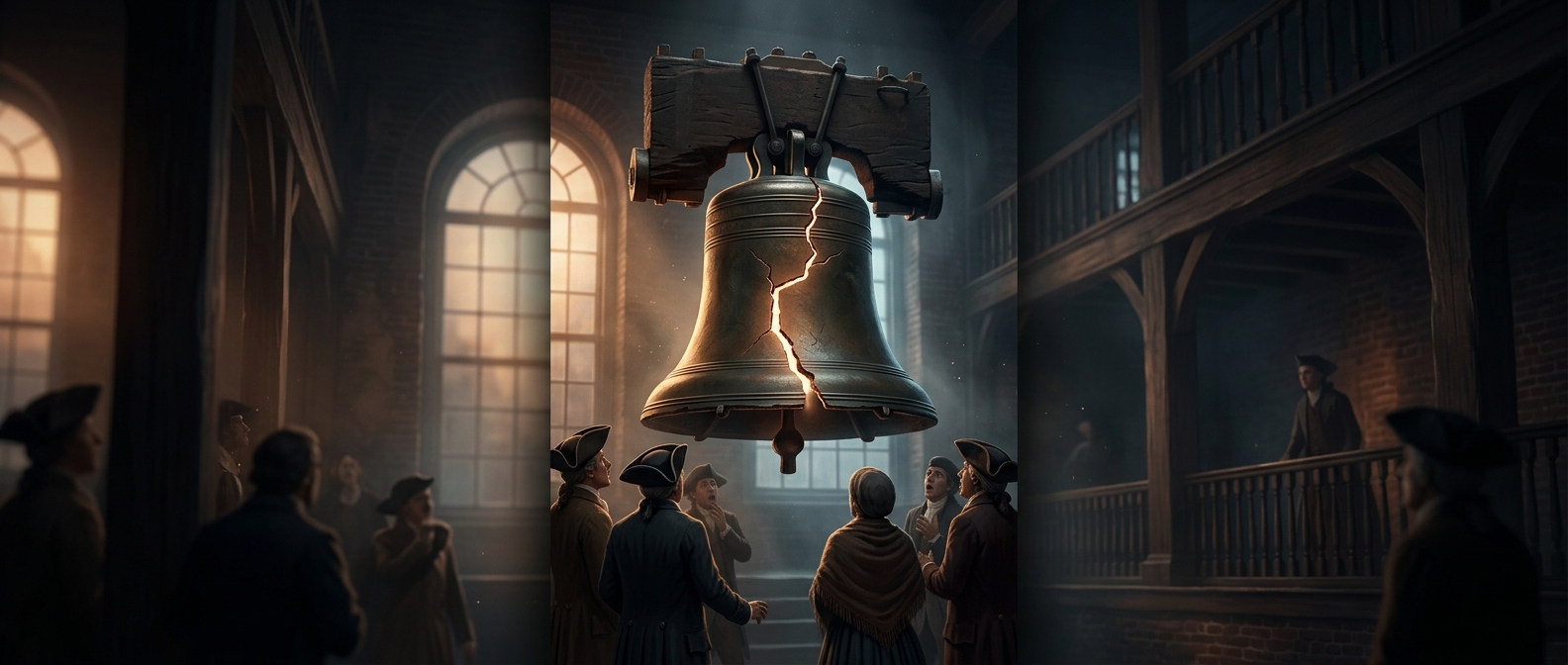
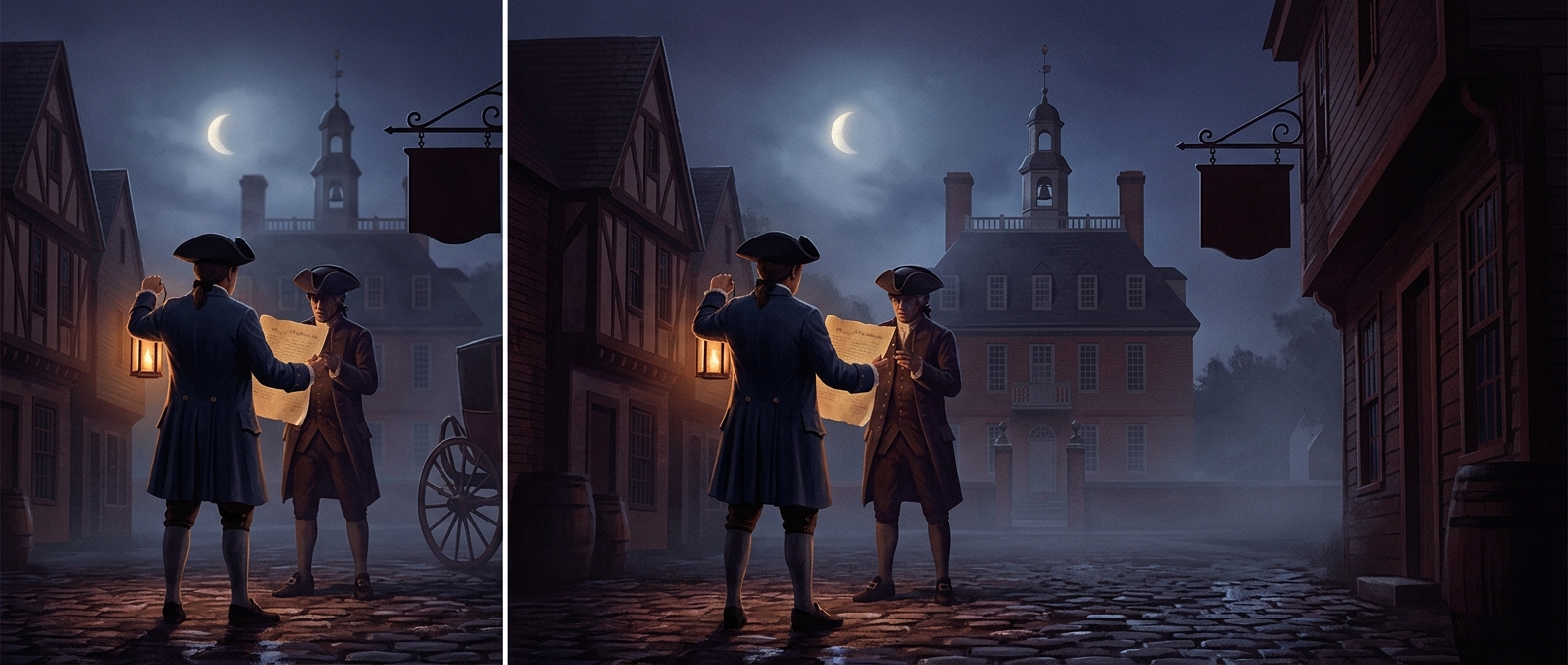
Colonial Williamsburg’s interpreters do more than recite facts beside historic buildings. By speaking and reacting as people from the colonial period might, they invite visitors into a conversation rather than asking them to observe history from a distance. That approach makes an unexpected modern object part of the encounter: a visitor’s phone is not merely a device but something the interpreter, within the role, has never seen.
A small disruption can teach a bigger lesson
The exchange reverses the usual direction of a museum explanation. Instead of an expert translating the past for a modern audience, the visitor becomes the one explaining the present. A smartphone can prompt a plain-language account of how people communicate, navigate, take pictures, or reach across distance—ordinary abilities that can feel remarkable when described to someone from another era.
That contrast also makes historical change tangible. Visitors are used to treating their own tools as normal; explaining one aloud reveals how much daily life depends on technologies and assumptions that did not exist in colonial times. The moment can open a path back to the period’s slower, more labor-intensive ways of sharing information.
Immersion depends on the visitor, too
Staying in character helps preserve the imagined world, but it does not make the encounter a scripted performance with only one possible response. Visitors supply the modern knowledge that completes the exchange. The result is a brief, memorable reminder that history is not just a collection of old objects: it is also the distance between how people once lived and what today’s visitors barely notice they carry.