Why pressure can damage skin
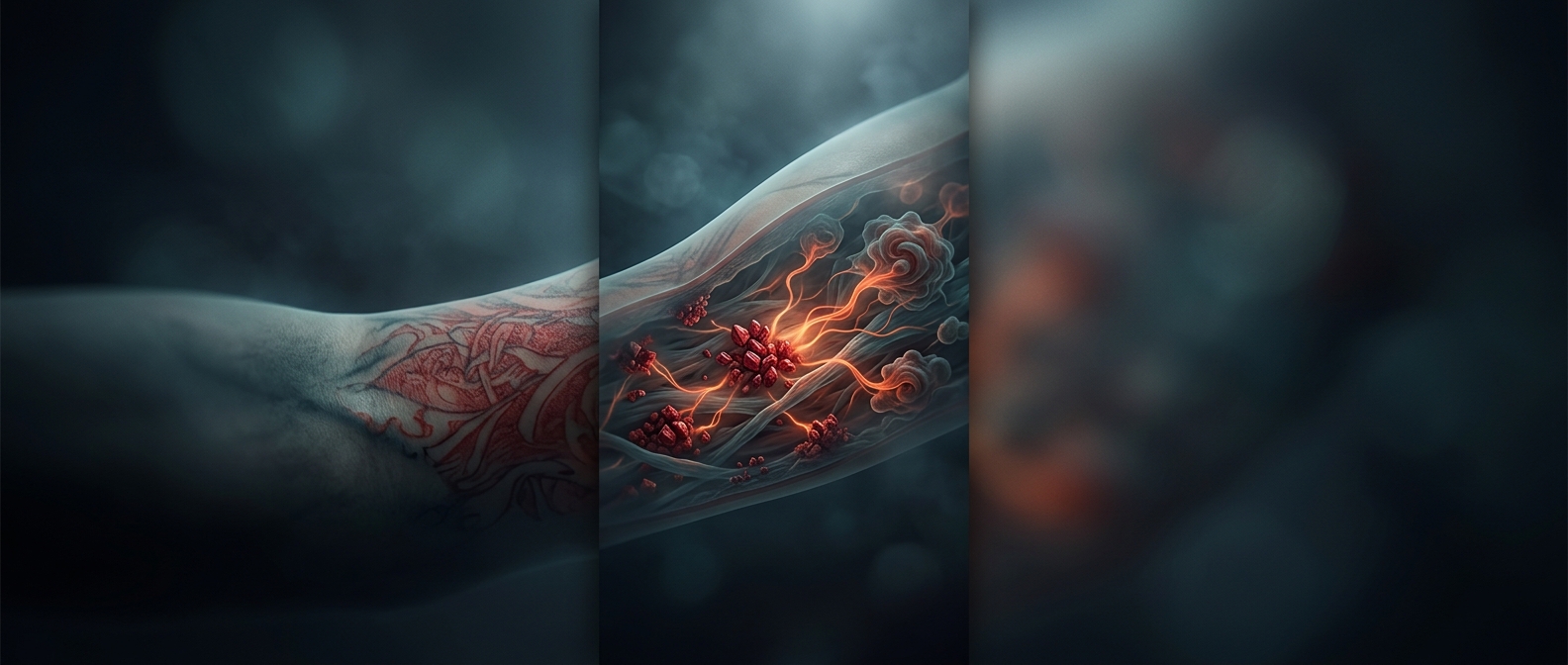
When a person stays seated in one position, the sitting bones press soft tissue against the seat. That pressure can compress tiny blood vessels, limiting the oxygen and nutrients they carry to the skin. If the squeeze lasts, tissue may become injured and develop a pressure injury, sometimes called a pressure sore. People with limited sensation or mobility may be especially vulnerable because discomfort does not always prompt them to shift.
How shifting air cells change the load
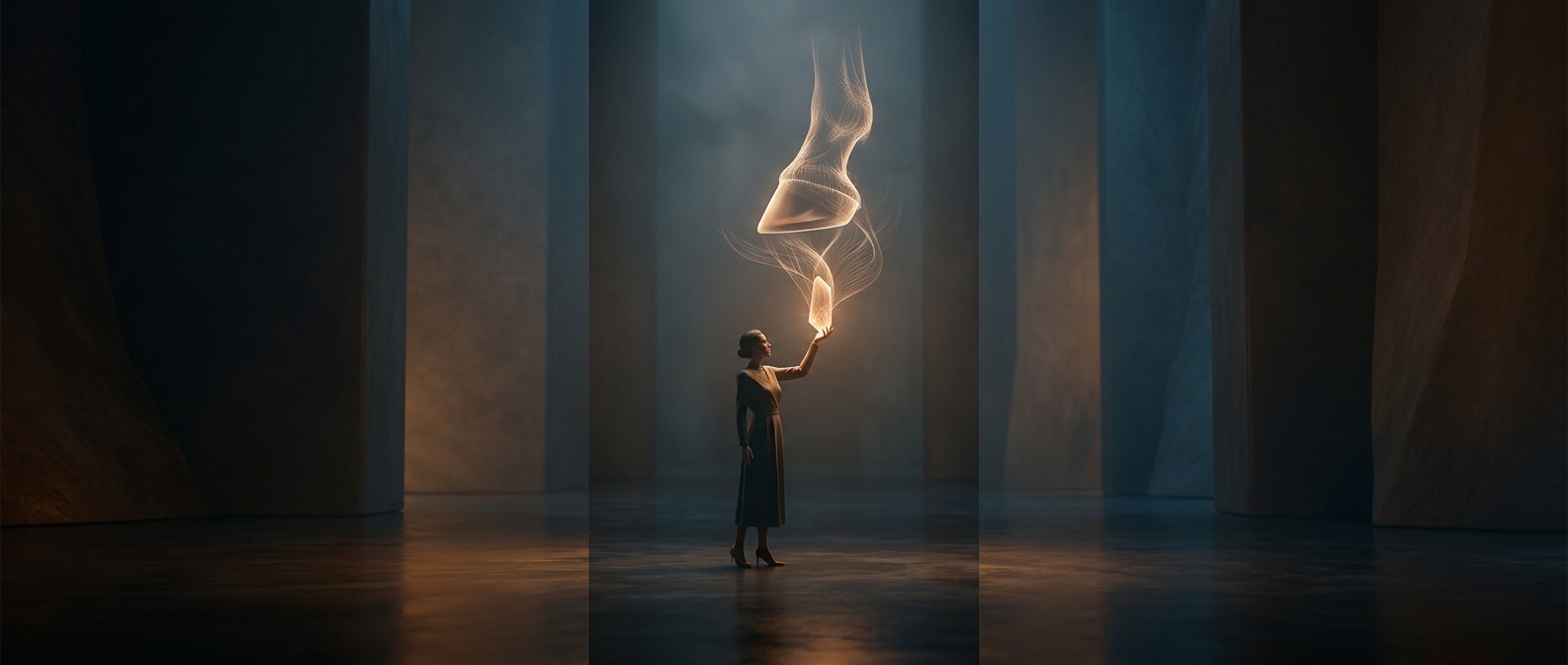
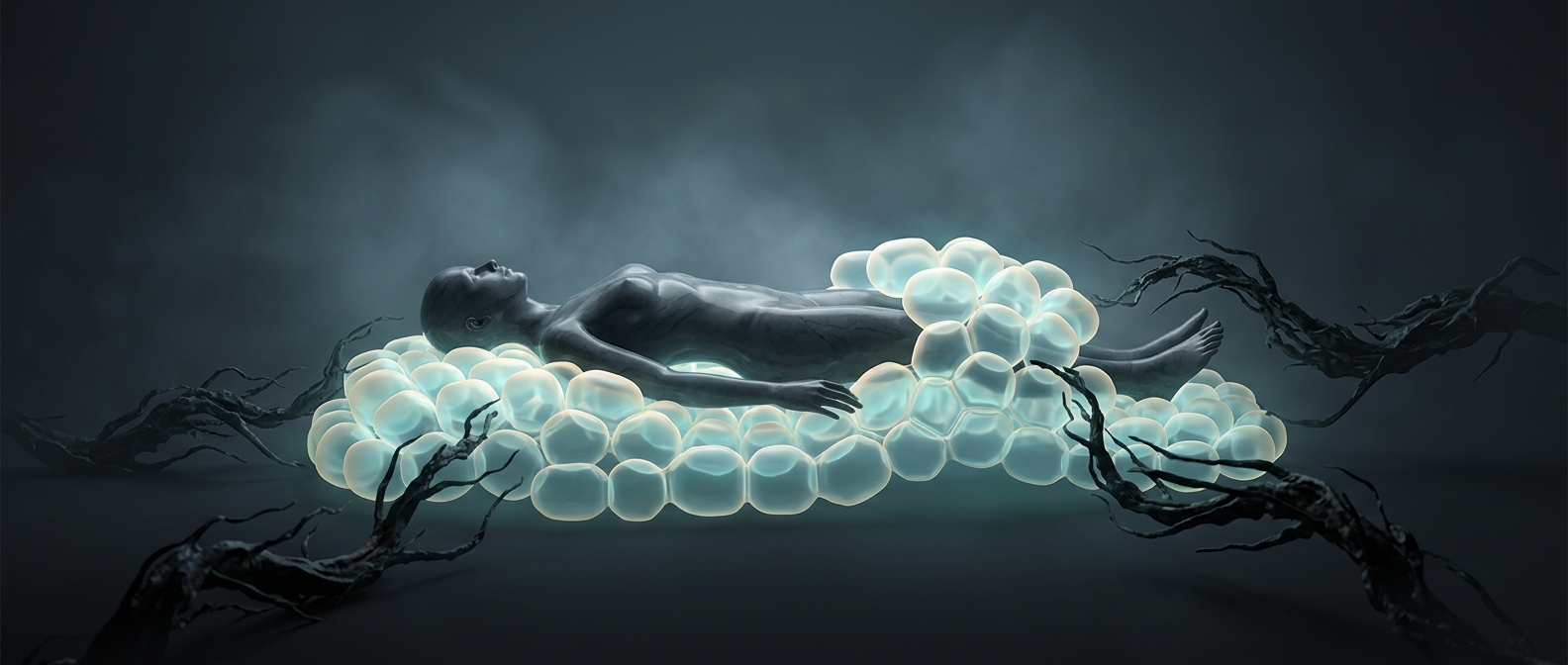
A Roho cushion contains interconnected air-filled cells. As the seated person settles into it, the cells deform and adjust to the body's shape. Air can move between them, allowing the cushion to respond as weight shifts instead of holding the body on one unyielding surface.
That movement helps distribute force across more of the seated area. In particular, it can reduce concentrated pressure around bony points such as the sitting bones, where tissue has little padding. The aim is not to eliminate pressure—support requires contact—but to avoid leaving the same small patch of tissue under intense load.
Why a cushion is not a substitute for movement
The cells help manage pressure while someone is seated, but they cannot guarantee that blood flow remains adequate indefinitely. Position changes relieve pressure in areas that have been carrying weight and give compressed tissue a chance to recover. Cushion setup also matters: if the air level is unsuitable, the person may sink too far or receive less effective support.
The practical lesson is that a pressure-redistributing cushion can reduce one important risk, but it does not make prolonged, motionless sitting harmless. Regular repositioning and appropriate cushion use remain part of protecting vulnerable skin.