How a birth moment becomes a decision map
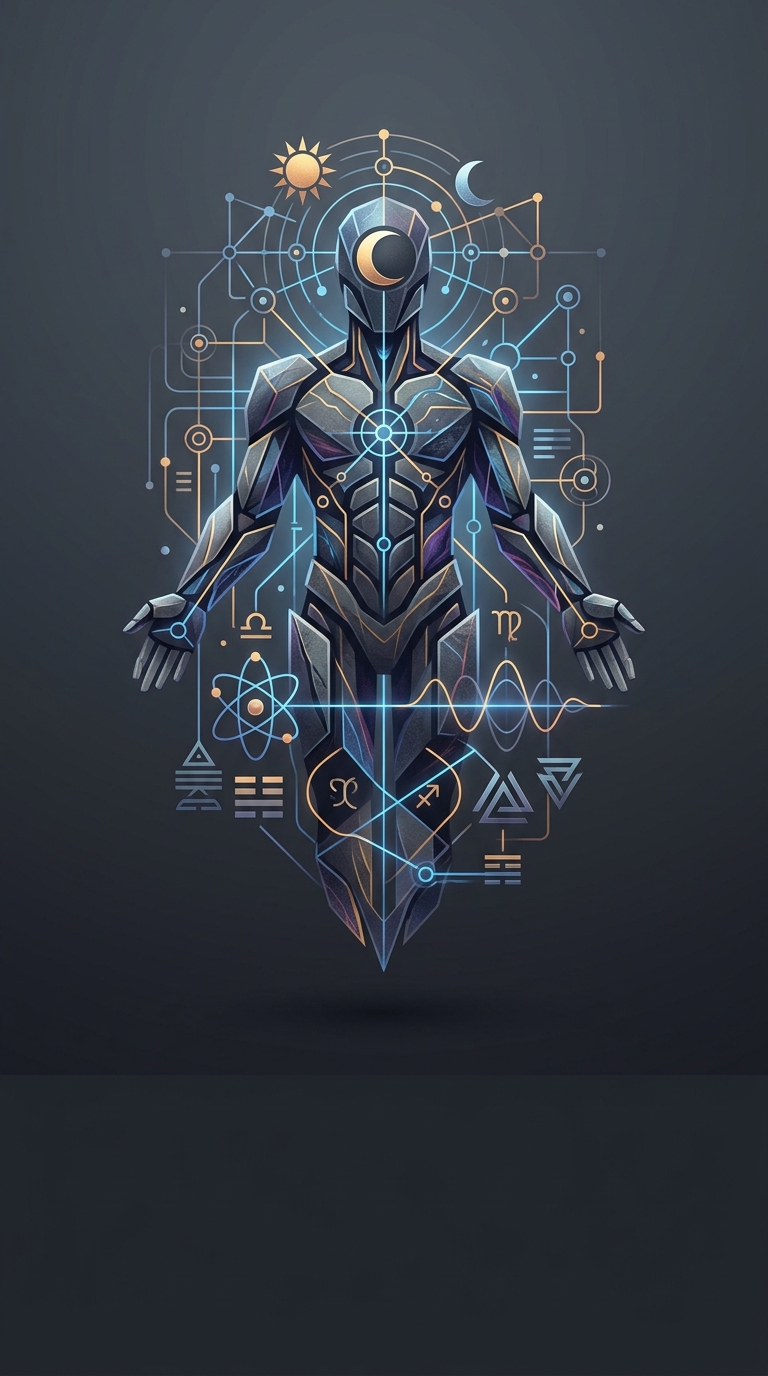
Human Design turns a birth date, time, and place into a diagram called a BodyGraph. Its creators calculate planetary positions for the birth moment and for an earlier point in the pregnancy, then map those positions onto a set of symbols drawn from several spiritual and esoteric traditions. The result is a network of shapes and lines, not a personality test answered by filling out a questionnaire.
Within the system, the diagram’s features are interpreted as different kinds of guidance. A person’s “type” is paired with a suggested way of engaging with opportunities, while “authority” is the name for the chart’s proposed method of making choices. Some interpretations, for example, emphasize waiting for a bodily sense of clarity rather than deciding immediately. The exact birth time matters because even a modest change can alter calculated positions and, in turn, parts of the chart.
From chart symbols to an everyday choice
The practical step is translating those categories into a pause before acting. Someone applying the framework to an email might ask whether the message calls for an immediate response or whether they should wait until they feel settled. The chart does not supply the wording or decide what the email means; it offers a personal rule for how to approach the decision.
That can make an abstract diagram feel useful in ordinary life: it gives someone a repeatable prompt when they are uncertain or reacting quickly. Human Design is best understood as a spiritual self-reflection framework, not a scientifically established way to predict behavior or identify the objectively correct choice. Its value for a user lies in how they interpret and apply its guidance—and the concrete consequence may simply be waiting a little longer before pressing Send.