When the Sky Above Became a Weather Calendar
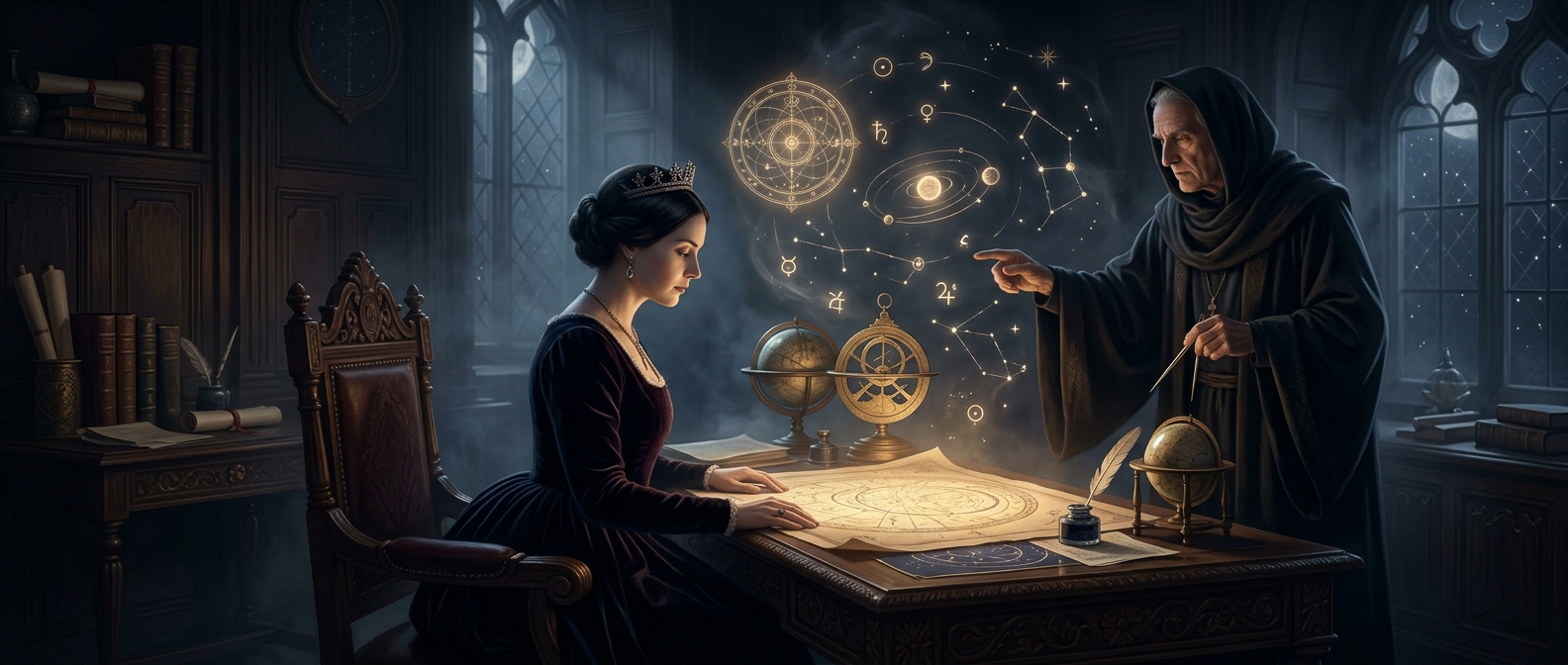
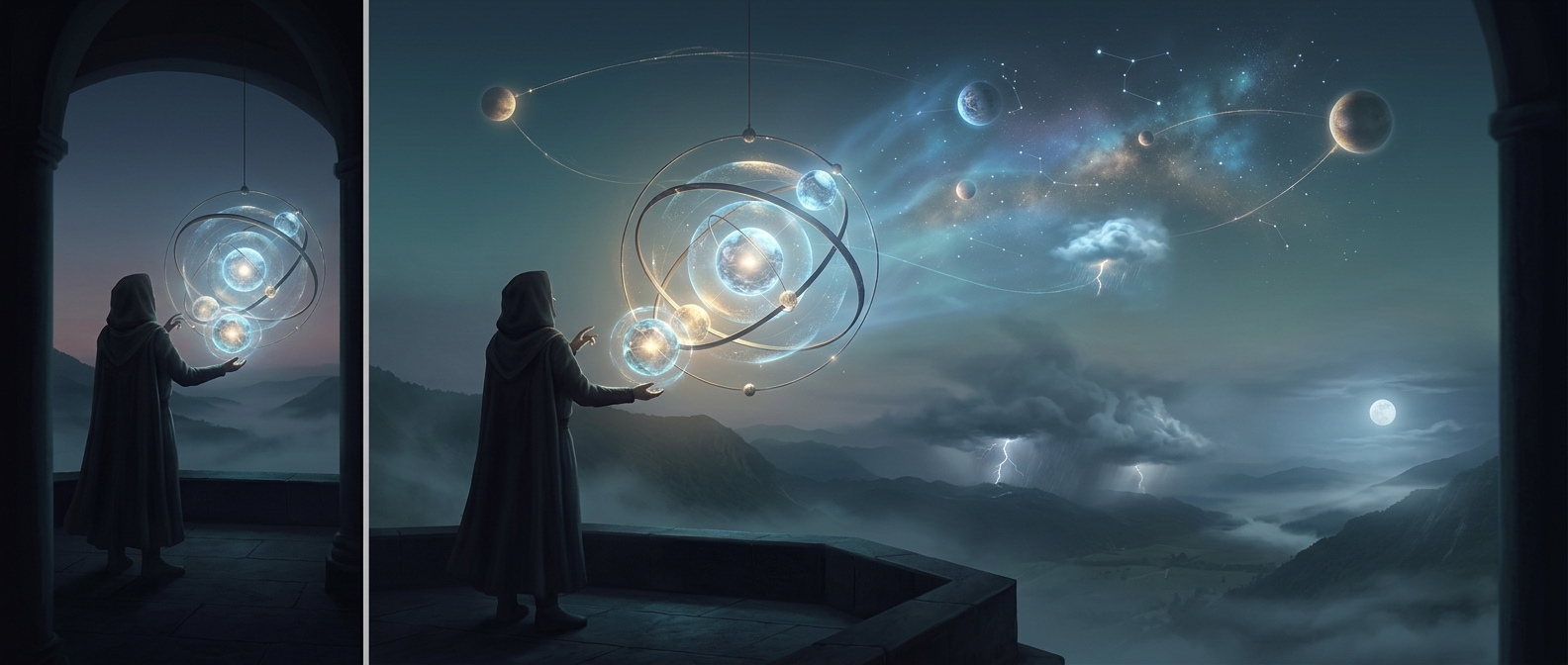
In astrological weather forecasting, the sky is read twice: its visible clouds and winds are watched, but the positions of the Moon, planets, and zodiac signs are also treated as clues to conditions on Earth. This practice is often called astrometeorology. It rests on a belief that celestial cycles correspond to earthly patterns, so a particular alignment or phase may be associated with rain, wind, warmth, or a change in weather.
The forecast is not usually a single prediction drawn from one dramatic conjunction. Practitioners interpret a chart or calendar according to a tradition’s rules, looking for combinations they consider significant. The celestial pattern supplies a timing framework; local signs and seasonal expectations may help shape the reading. Different systems can assign different meanings to the same sky.
Why the Method Mattered
Before modern instruments and atmospheric maps, people still needed to decide when to plant, travel, or protect a harvest. A calendar linked to recurring patterns in the heavens offered a way to organize expectations about the seasons. It also gave weather uncertainty a structure: instead of seeing each storm as wholly unpredictable, readers could place it within a larger cycle.
That role is different from modern meteorology, which explains and forecasts weather through measured atmospheric conditions. Astrological forecasts express a traditional system of correspondence, not a physical account of how distant planets produce rain. Their enduring appeal lies partly in that older ambition—to make the changing weather legible by reading patterns in the sky above and below.