What Mesmer Meant by “Animal Magnetism”
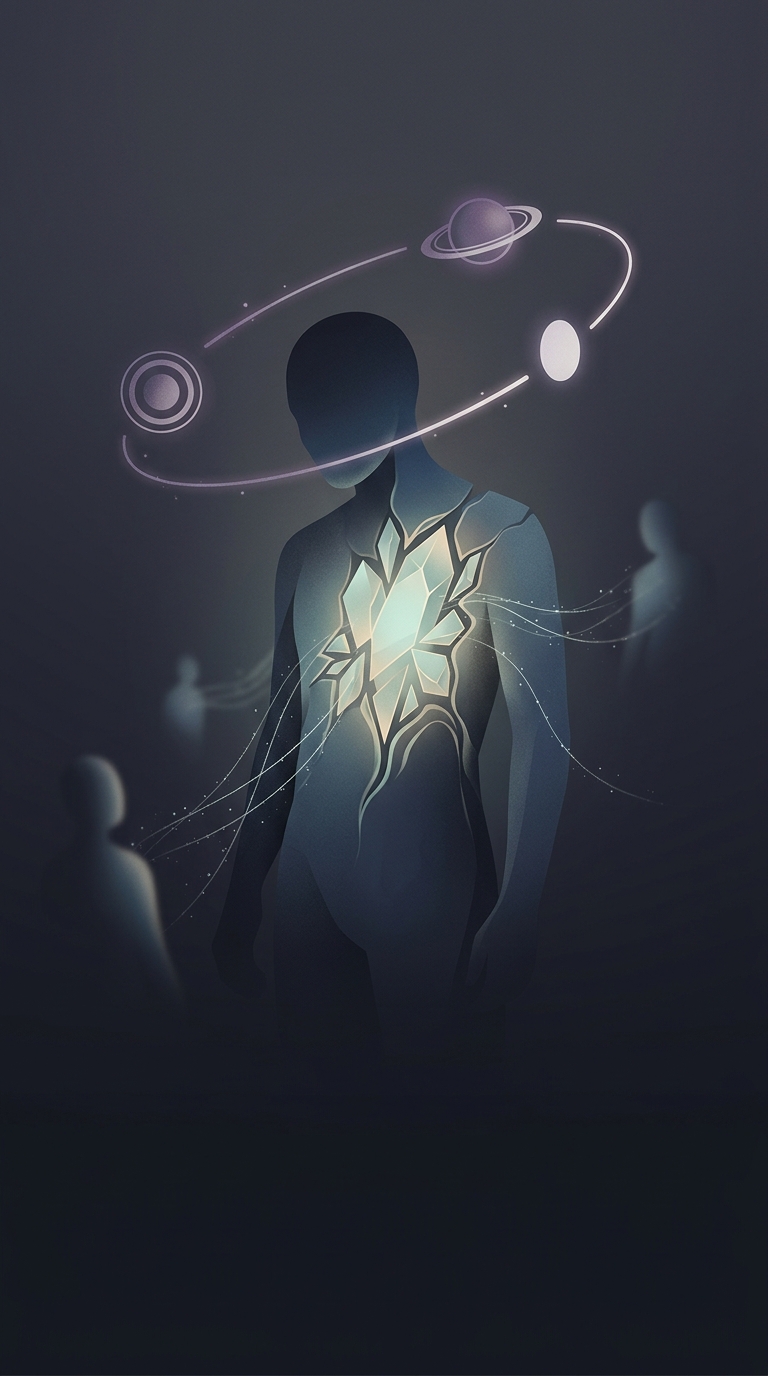
Mesmer called his proposed force animal magnetism: “animal” meant living, not merely the creatures we now call animals. He imagined an invisible fluid passing through bodies and the wider universe. In his account, illness arose when that flow was obstructed, and treatment restored it.
That idea gave his practice a physical-sounding logic. Mesmer presented himself not simply as a healer but as someone able to direct a universal force. The name “mesmerism” later became associated with the unusual states and striking reactions reported during his treatments.
Testing the Treatment Without the Magnets
The Paris inquiry led by Benjamin Franklin focused on a crucial question: did the magnets themselves produce the effects patients experienced? Investigators arranged tests in which people could be led to believe that an object had been magnetized when it had not, or that a magnetized object was present when it was not. Patients sometimes reacted according to what they had been told, rather than to the object’s actual state.
The panel therefore rejected the magnetic-fluid explanation and pointed to imagination as a source of the reported effects. That did not mean patients were pretending; expectations and suggestion can shape genuine sensations and responses. The distinction was between an experience and Mesmer’s proposed cause for it.
A Force That Outlasted Its Explanation
The inquiry’s finding challenged Mesmer’s theory, but the treatment’s theatrical setting and patients’ responses kept public attention on the phenomenon. “Mesmerism” survived as a name even as the invisible fluid lost credibility. The episode offers a lasting lesson in how a real response can invite a mistaken explanation: seeing someone react is evidence of an effect, but not by itself proof of the force said to cause it.