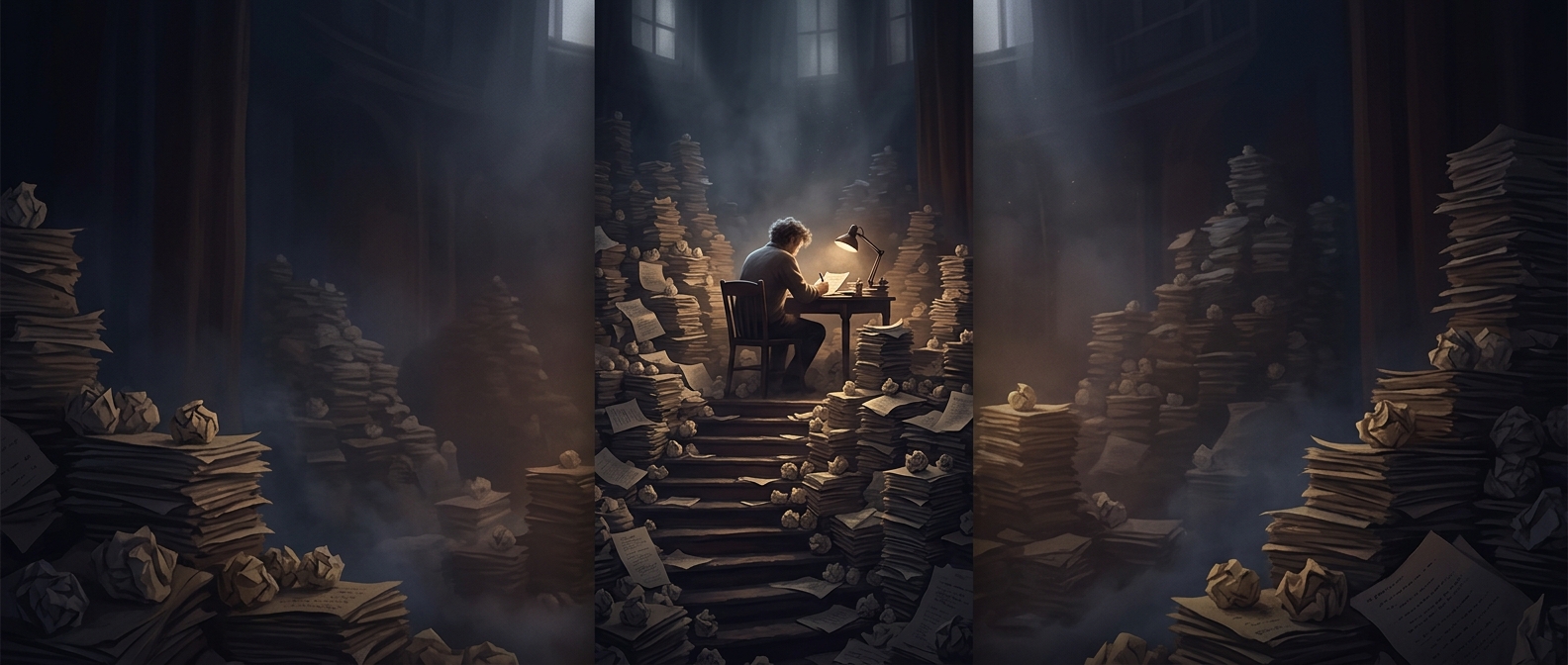
A bad joke can be a good premise in the wrong moment
A joke can miss without its underlying idea being useless. The punchline may be weak, the wording awkward, or the subject simply wrong for that night’s audience. A few days later, a fresh news story or a different setup can give the same premise a clearer target. Keeping the material lets writers separate “this version didn’t work” from “nothing here can work.”
Why scraps become useful later
A late-night monologue is tied to what people are talking about now, so writers need material that can be reshaped quickly. An old note might supply only a comparison, an unexpected connection, or a phrase—not a finished joke. Writers can pair that fragment with a new headline, change its point of view, or use it to lead into another joke. In that sense, an archive is less a vault of ready-made punchlines than a store of parts.
The test is whether the new context makes the audience see the idea differently. A line that once felt forced may suddenly fit because the subject is more familiar or the contrast is sharper. Saving it also preserves the original wording and context, giving a writer something concrete to revisit instead of relying on memory.
That turns rejection into a temporary judgment: the joke failed in one arrangement, but its most useful piece may still be waiting for the right setup.