Why the Puppy’s Death Sets the Moral Stakes
In John Wick, the puppy is not just another loss in a revenge plot. Its death gives the violence that follows an emotional starting point audiences can readily understand: John has been grieving his wife, and the dog represents a final connection to her. When that connection is taken from him, the story gives viewers a reason to feel his grief before they watch him unleash it.
That distinction matters because the first target of John’s anger is tied to a stolen car. A car theft alone might make a lethal response look wildly out of proportion, leaving John seeming less like a grieving man and more like a psychopath. The puppy’s death changes the emotional frame: it does not make his actions reasonable in ordinary life, but it helps the audience understand why the film presents them as a personal reckoning.
A Creative Choice With Box-Office Risk
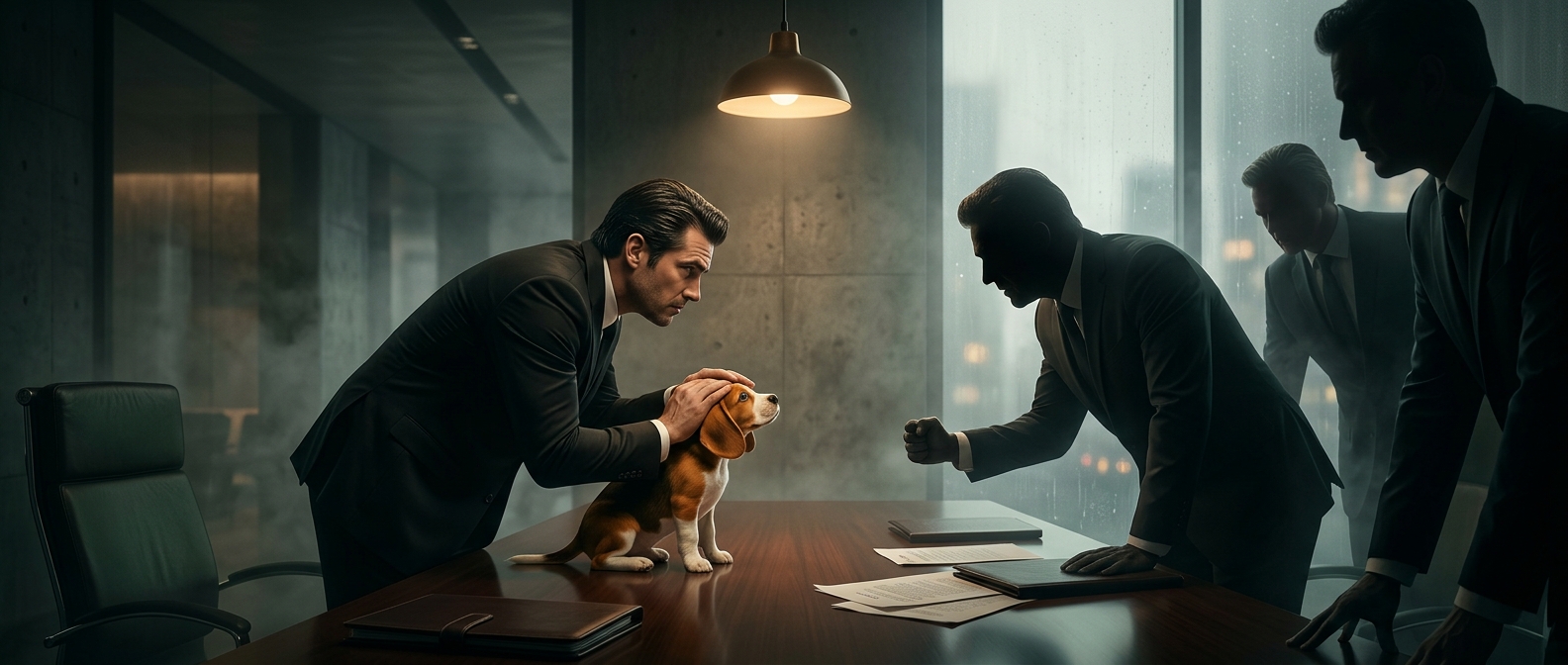
The financiers’ objection was about how viewers might respond. A dead puppy could upset people enough to put them off the film; changing the script might make it easier to sell. Directors Chad Stahelski and David Leitch kept the death because they believed removing it would also weaken the story’s central motivation.
The choice shows how a small early event can carry an action film’s larger burden. The puppy’s death makes John’s grief visible, gives the audience an emotional foothold, and sets the tone for the violence to come. Keeping it meant accepting that some viewers might be repelled by the very moment the filmmakers considered necessary to make the rest of the rampage land.