How distress becomes “energy” in the theory
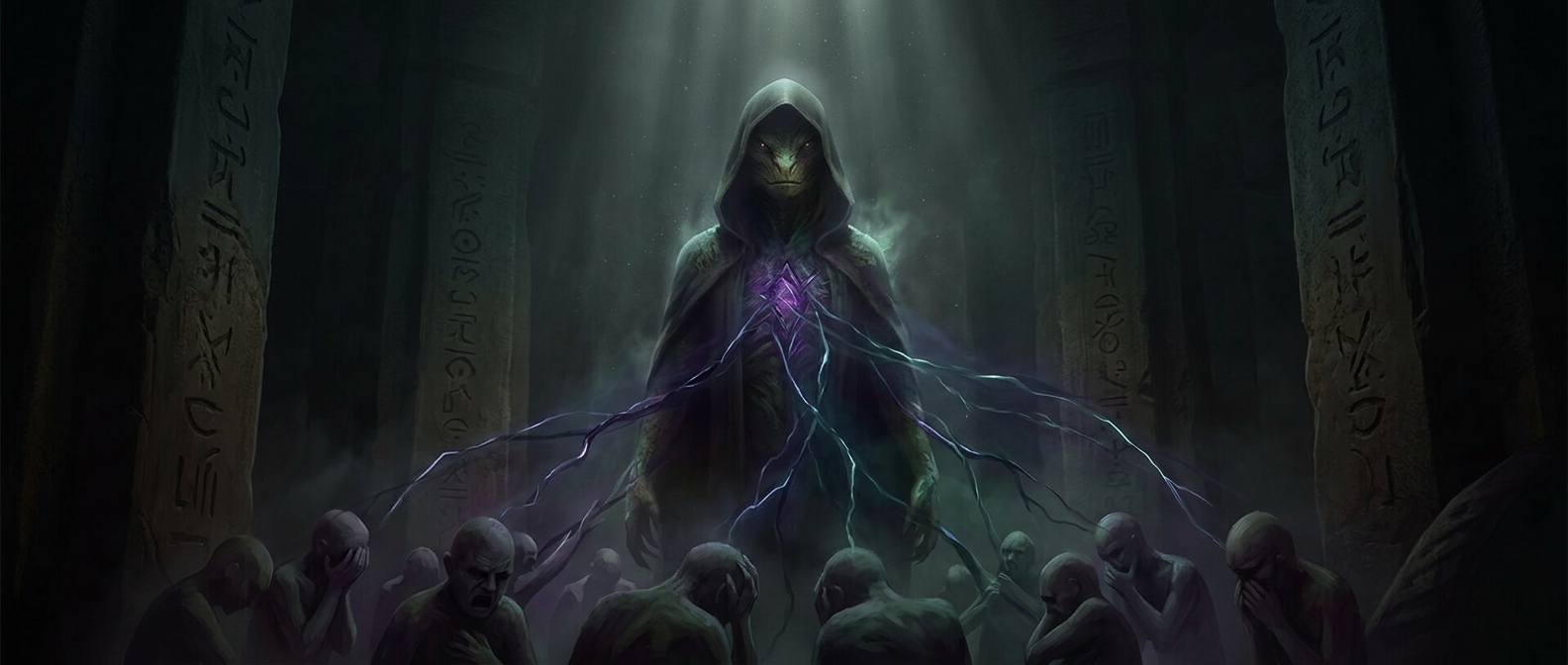
In this fringe belief, “feeding” is not usually described as eating in a physical sense. It means drawing power from the emotional state people produce. Fear, grief, anger, and despair are treated as forms of low-vibrational energy: feelings imagined to carry a heavy or diminished spiritual quality. The reptilian beings are said to benefit when people are kept in those states.
That idea gives ordinary emotional experience a hidden second layer. A frightening event is no longer only painful for the person experiencing it; within the theory, it may also serve the interests of an unseen predator. The claim is part of a supernatural worldview, not an established account of how emotion or energy works.
Why the image can feel persuasive
The story turns a difficult social observation into a vivid cause-and-effect plot. Conflict and distress can spread through groups: an alarming story can unsettle a household, while anger can provoke more anger. The theory interprets that familiar chain as deliberate extraction by beings concealed among humans. “Shape shifting” supplies the concealment; “feeding” supplies a motive.
This framing can also change how believers interpret power. Instead of seeing fear as merely a response to events, they may view the production of fear as part of a larger hidden system. Its memorable implication is that, in this story, emotional turmoil is not just something people endure—it is the resource the alleged predators want.