How a $100 steak changes the meaning of $40
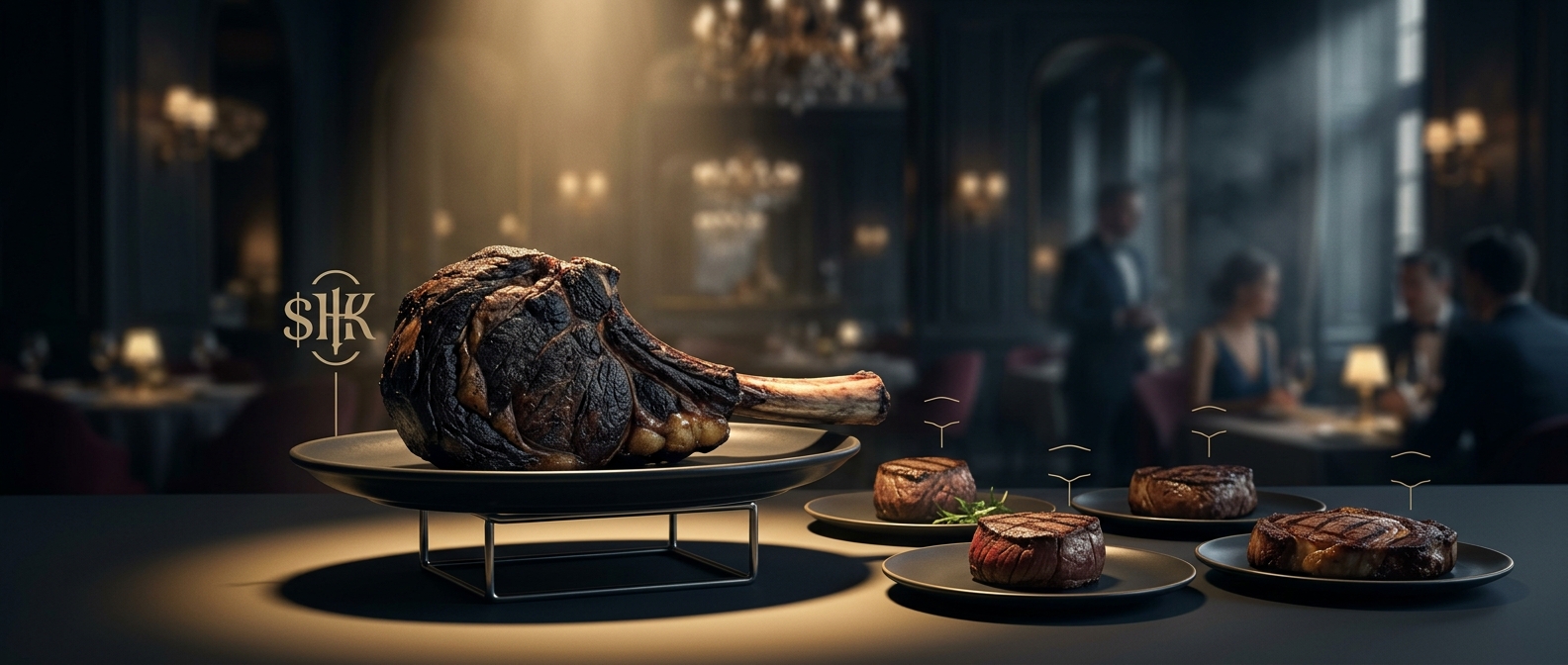
A price is rarely judged in isolation. When diners scan a menu, they compare options that appear side by side. A $40 ribeye may feel expensive next to a $28 entrée—but beside a $100 tomahawk, it can register as the sensible middle choice. The high-priced steak resets the comparison, making the ribeye seem moderate without changing its price or portion.
This is a form of price anchoring: an initial number influences how people interpret the numbers that follow. The $100 option supplies a reference point, even for customers who never intended to order it.
The expensive option has a role
Restaurants can use this contrast to steer attention toward a target item. The top-priced dish may appeal to a few diners, but it can also make the next option down look like better value. That can increase the likelihood that customers choose the ribeye rather than a less expensive dish.
The effect depends on the menu’s alternatives. If the $100 steak seems wildly out of place, diners may dismiss it—or question the prices altogether. If it looks like a plausible premium choice, it can make the $40 option feel more reasonable by comparison.
“Cheaper” is not the same as “good value”
The comparison changes perception, not the steak’s ingredients, quality, or cost to the restaurant. A diner can still judge the ribeye by its size, preparation, and price. But the menu has made one judgment easier: instead of asking only whether $40 feels high, the customer is also asking whether it feels high next to $100.
That is why the most expensive item can influence a sale without ever reaching the table.