Accessories Can Be Designed as a Second Purchase
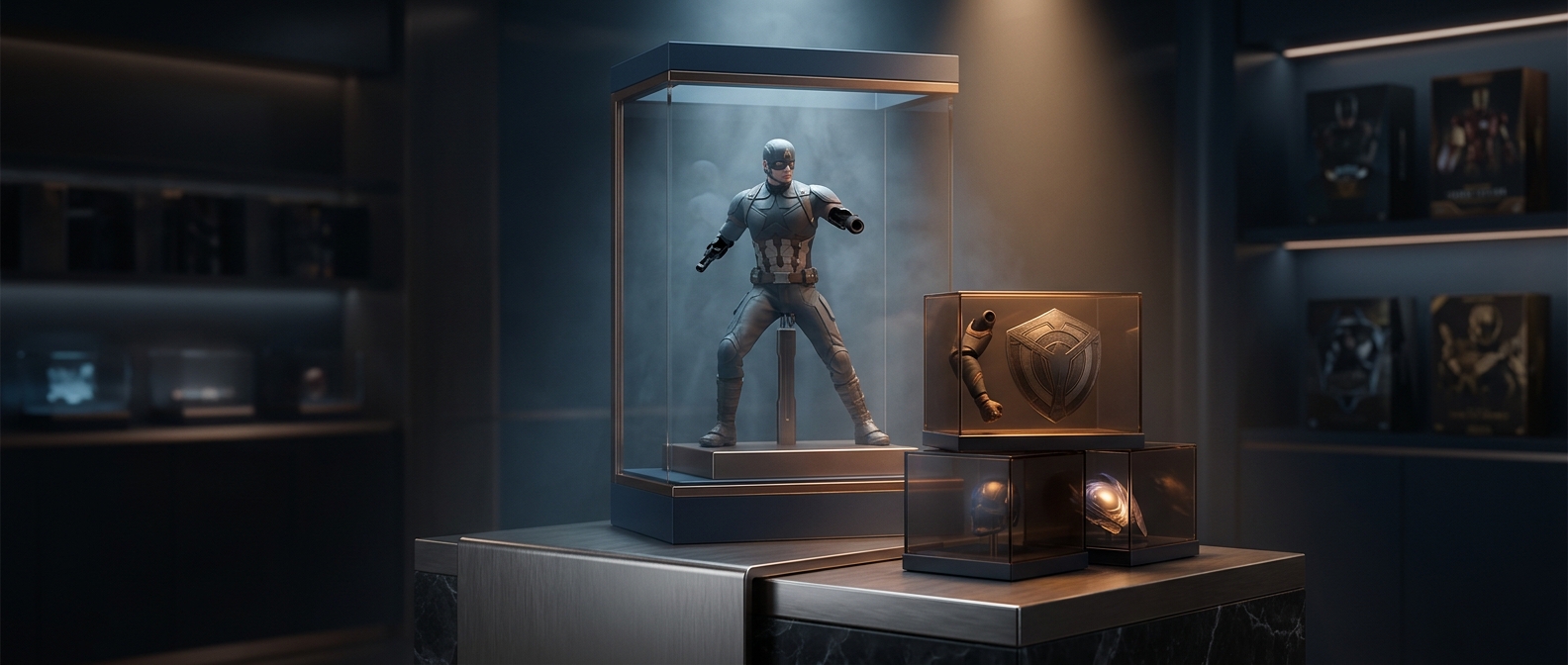
A toy line is not just a set of characters; it is also a set of products competing for space on shelves and within a shopper’s budget. By dividing equipment among figures or accessory packs, a company can sell a lower-priced entry point while offering additional items separately. Someone who wants a character with a particular tool, outfit, or vehicle may then have a reason to buy beyond the first box.
The split also gives the maker more ways to package and price the same world of play. A basic figure can appeal to shoppers who want only the character, while a fuller loadout can be assembled through other products. The commercial advantage is that one character can support multiple sales rather than requiring every buyer to pay upfront for every accessory.
The Tradeoff Is Between Choice and Completeness
This approach can give shoppers flexibility: they can choose which extras matter to them. But it can also make a purchase feel incomplete when an item that seems essential to the character is sold elsewhere. The more closely a toy’s identity is tied to its gear, the more the separation can turn collecting into a search for missing pieces.
That tension is built into the packaging decision. Selling everything together makes the first purchase more complete, but may raise its price or include extras some buyers do not want. Splitting items creates more options—and can encourage repeat purchases—but shifts the cost of a fully equipped character across multiple boxes.