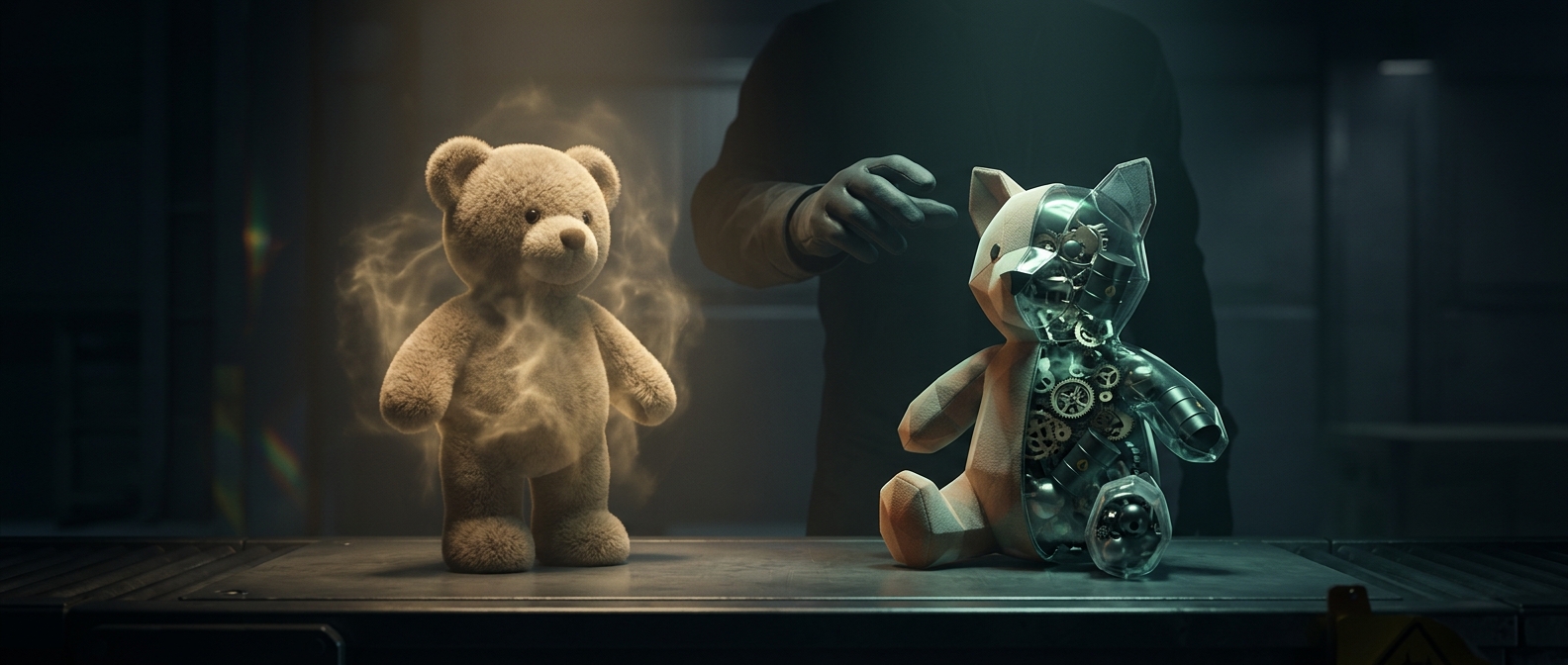
The filling can affect the tariff category
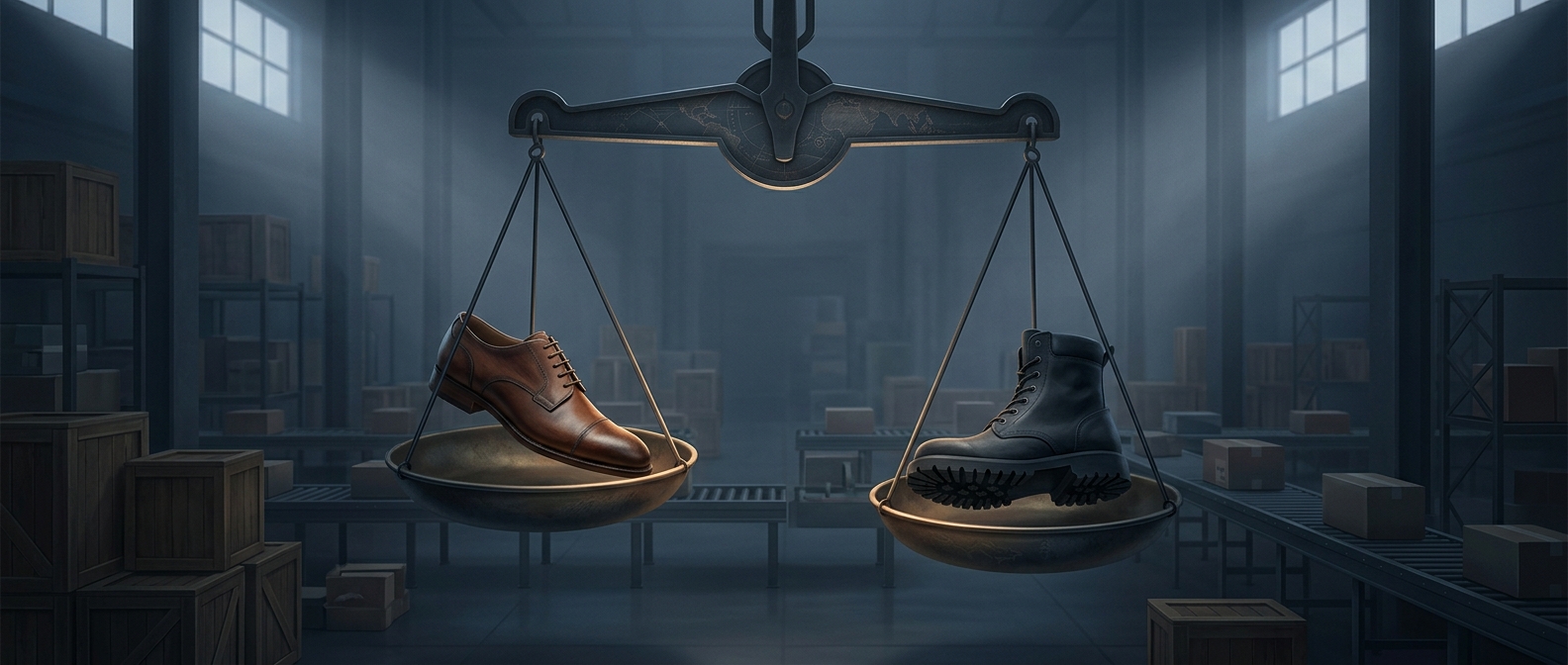
A customs officer does not classify a toy by its appearance alone. Imported goods are matched to categories in a country’s tariff schedule, and those categories can distinguish products by what they are made of. For a stuffed bear, the filling may matter: plastic or other synthetic beads are different materials from natural fibers such as cotton or wool, and the applicable category can carry a different duty rate.
That does not mean the stuffing automatically determines the bill. Customs classification can depend on the toy’s construction and the rules for the particular country and product category. The bear’s declared value and country of origin can also affect what is owed.
A small material choice, a border consequence
The tariff is a charge on imported goods, generally calculated using the rules that apply to their classification. A manufacturer choosing beads rather than fiber may therefore change more than the toy’s feel or weight: it can change which classification an importer must use, and potentially the duty charged at the border.
For companies importing many toys, that difference can influence sourcing, product specifications, and landed cost—the total expense of getting an item to its destination after import charges. Two bears that look nearly identical on a shelf may arrive with different customs paperwork because the materials hidden inside them are not the same.