Why a van’s seats can be worth more at the border than inside it
A van can cross a border under one tariff category and work as a cargo vehicle the moment it reaches its destination. The difference may come down to how customs classifies it when it arrives: a vehicle equipped to carry passengers can face a different import duty from one configured to haul goods.
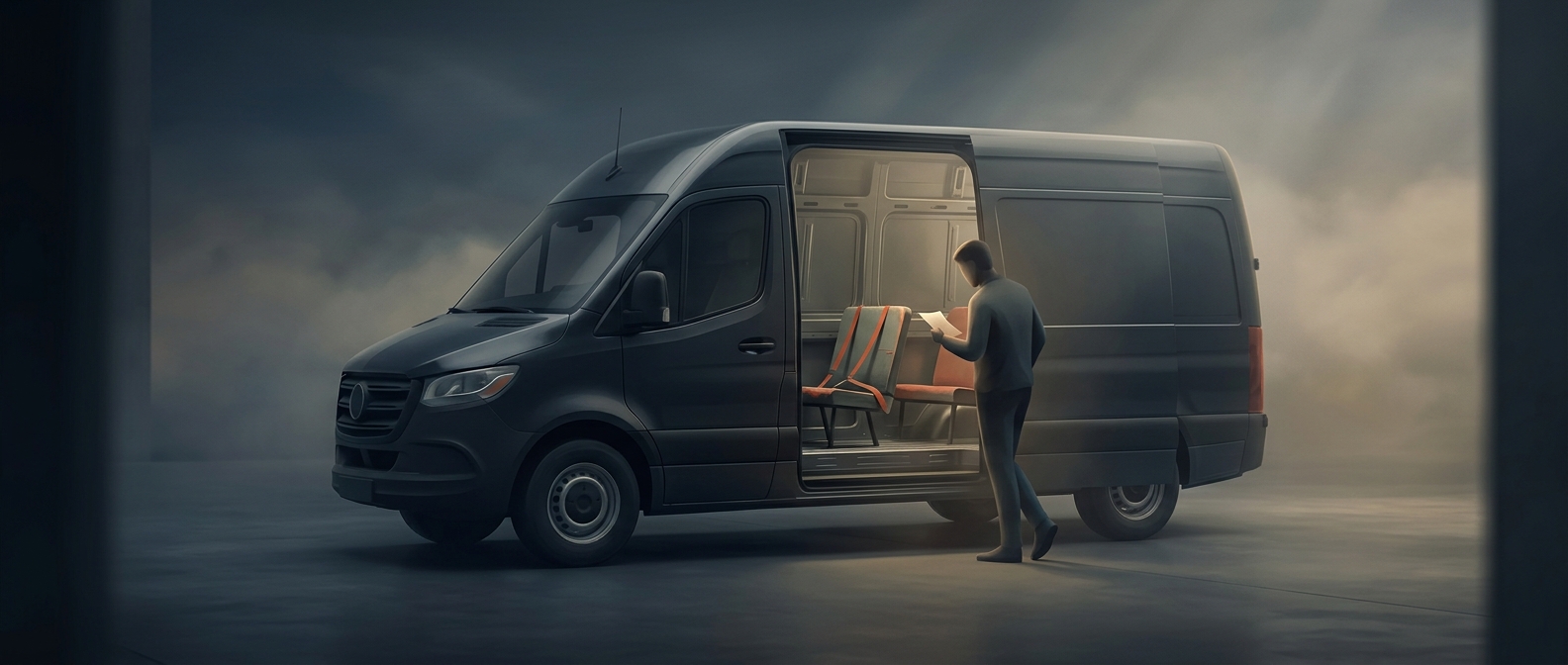
That makes rear seats and seatbelts more than passenger amenities. If they help a van qualify for a lower-duty passenger-vehicle category, their temporary presence can reduce the cost of importing the whole vehicle. The savings can outweigh the cost of installing the seats—even if nobody plans to use them.
The border changes the calculation
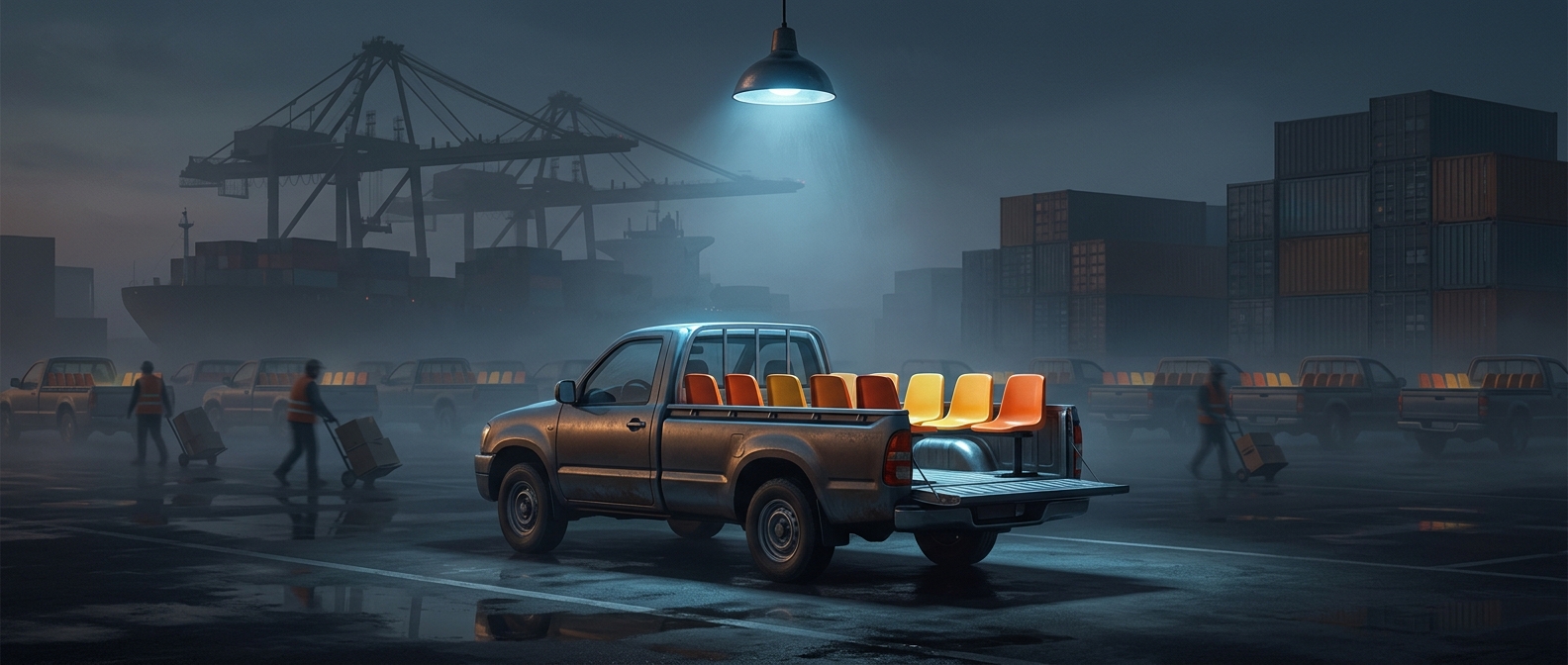
Customs assesses the vehicle in the configuration presented for import. After it clears, the importer can remove the rear seating so the van has the open cargo space its eventual job requires. In the practice described here, the seats are shredded rather than reused, turning a tariff advantage into immediate waste.
The economics are stark: a manufacturer or importer compares the added costs of seats, labor, and disposal with the duty avoided across the vehicles being shipped. If the tariff difference is large enough, a seemingly absurd detour can still make financial sense.
The van therefore arrives with a temporary interior—one built not for its driver or its cargo, but for the customs category that applies at the border. The discarded seats are the physical trace of that calculation.