A pair of seats changed the BRAT’s tariff category
In the United States, imported passenger cars and imported light trucks faced sharply different tariffs. The penalty on light trucks was 25 percent—enough to make bringing a small pickup into the country substantially more expensive. Subaru’s BRAT was designed as a compact, open-bed vehicle, so its classification mattered to the price of selling it in the American market.
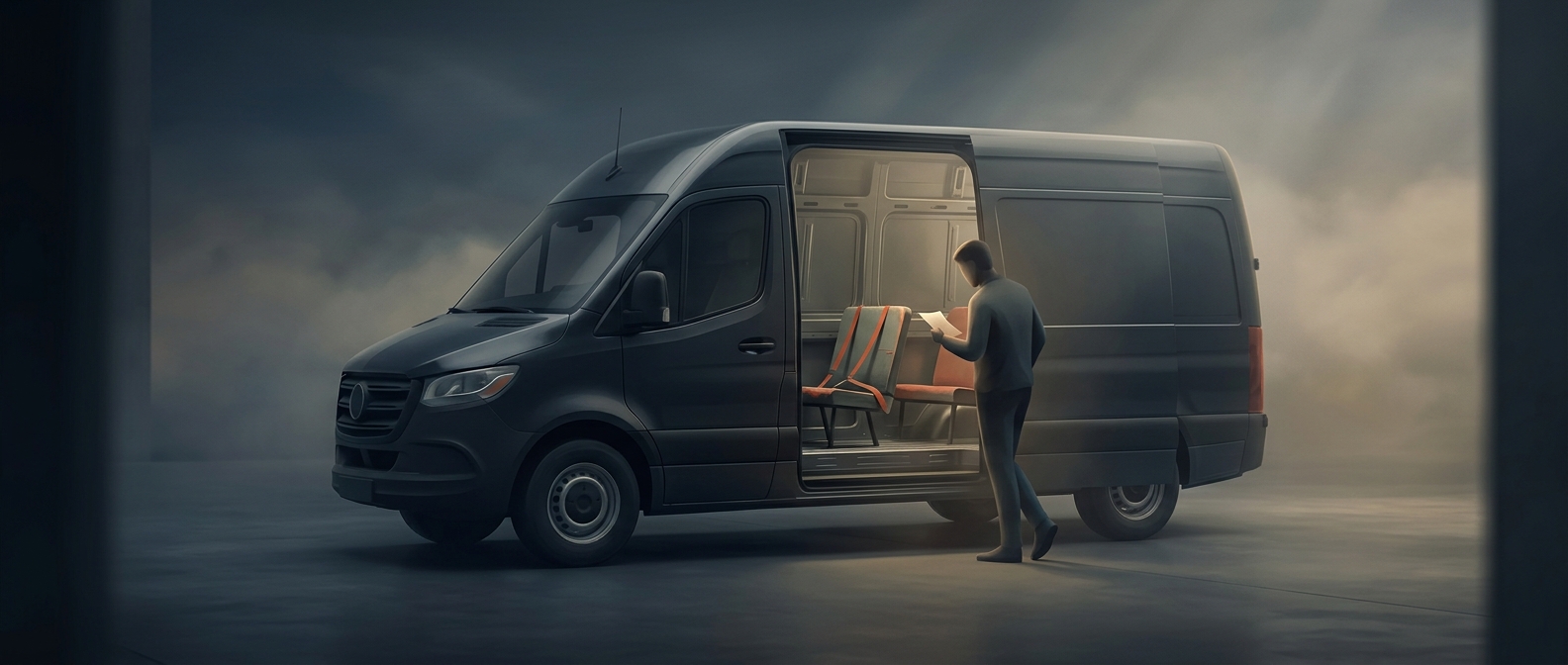
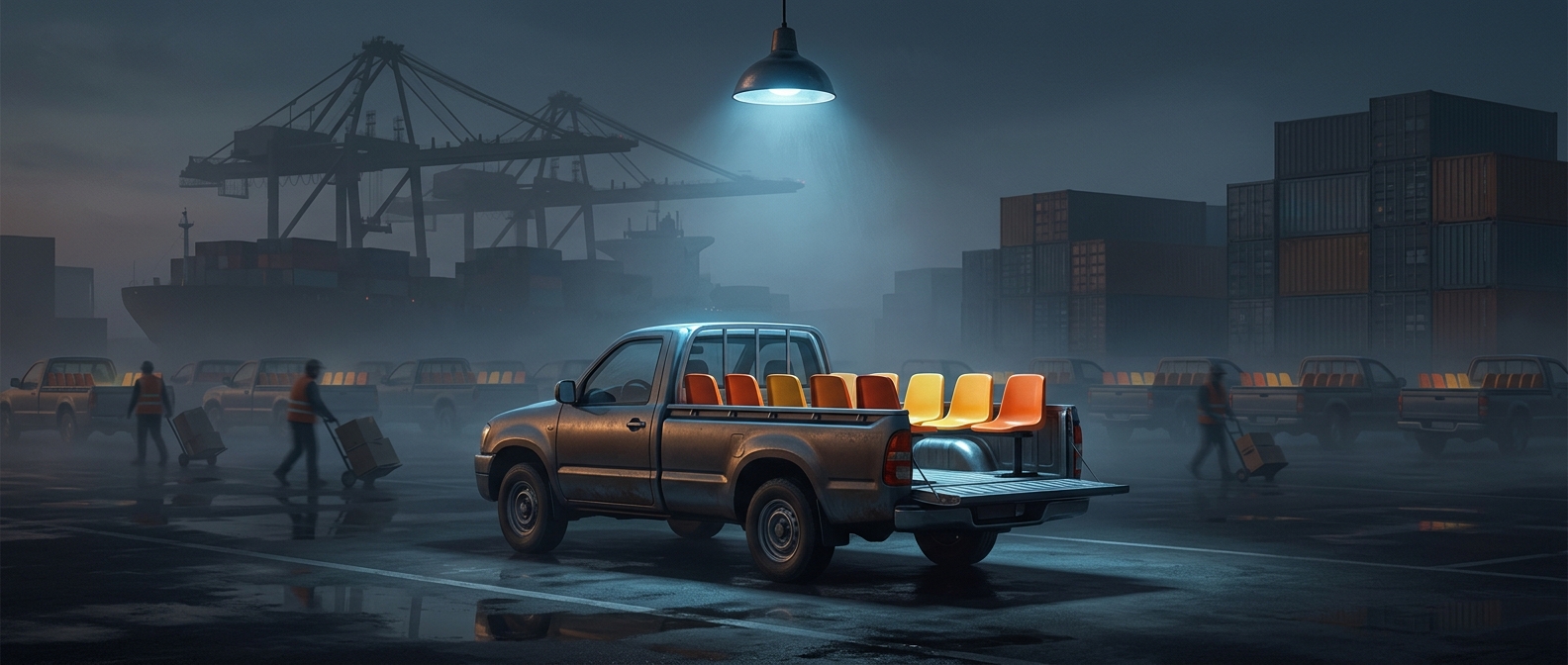
Subaru’s solution was to bolt two small, rear-facing seats into the cargo bed, behind the cab. That made the BRAT look less like a truck built solely to haul goods and more like a vehicle intended to carry passengers. The seats helped it qualify for passenger-vehicle treatment, avoiding the much higher light-truck tariff.
A design feature with a financial job
The seats were not just an unusual styling choice. They were part of a business calculation: a modest change to the vehicle could help avoid a large import cost. That mattered because tariffs are charged on imported goods, and the expense can ultimately affect how much a company can profitably charge customers.
The arrangement also showed how product design can respond to rules as well as to drivers’ needs. The BRAT’s bed still carried cargo, but the passenger seats gave customs officials a reason to treat the vehicle differently. Two small seats became a way to reshape the economics of importing an entire vehicle.