Why peanuts became a difficult in-flight snack
A bag of peanuts is simple on the ground: someone with an allergy can usually move away from it or choose another seat. On an airplane, passengers share a small cabin, and there is no quick way to leave if a reaction begins. That made peanut service a public-safety concern as awareness of severe food allergies grew.
The risk is often described as “airborne,” but the more common danger is peanut protein getting onto hands, tray tables, seat surfaces, or food. People can then transfer it to their mouths or eyes. Airborne exposure is possible in some circumstances, but the smell of peanuts alone does not cause an allergic reaction.
A practical change, not a guarantee
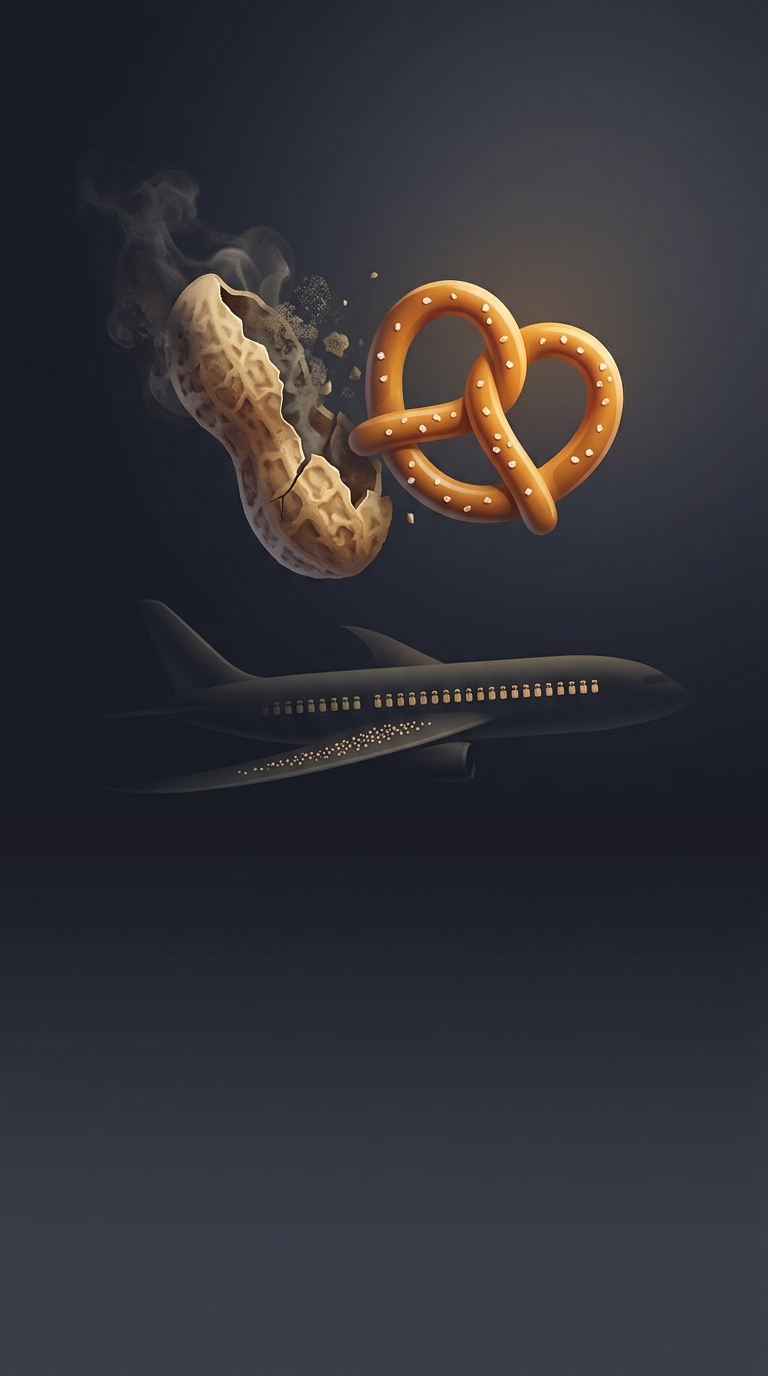
Some airlines replaced peanuts with pretzels or other snacks to reduce the chance of exposing allergic passengers. Packaged alternatives can still contain allergens, and passengers may bring their own peanut products aboard, so changing the snack cannot make a cabin entirely peanut-free. Policies have varied by airline and over time.
The switch also reflects an awkward feature of air travel: crew members can respond to a medical emergency, but they cannot instantly provide the space, equipment, or care available on the ground. Avoiding one common source of exposure is a modest precaution—not a substitute for a passenger’s allergy plan or for checking what a flight will serve.
That is why an ordinary snack can carry outsized consequences at 30,000 feet: the key issue is not just what is in the packet, but how difficult it is to get away from the people and surfaces around it.