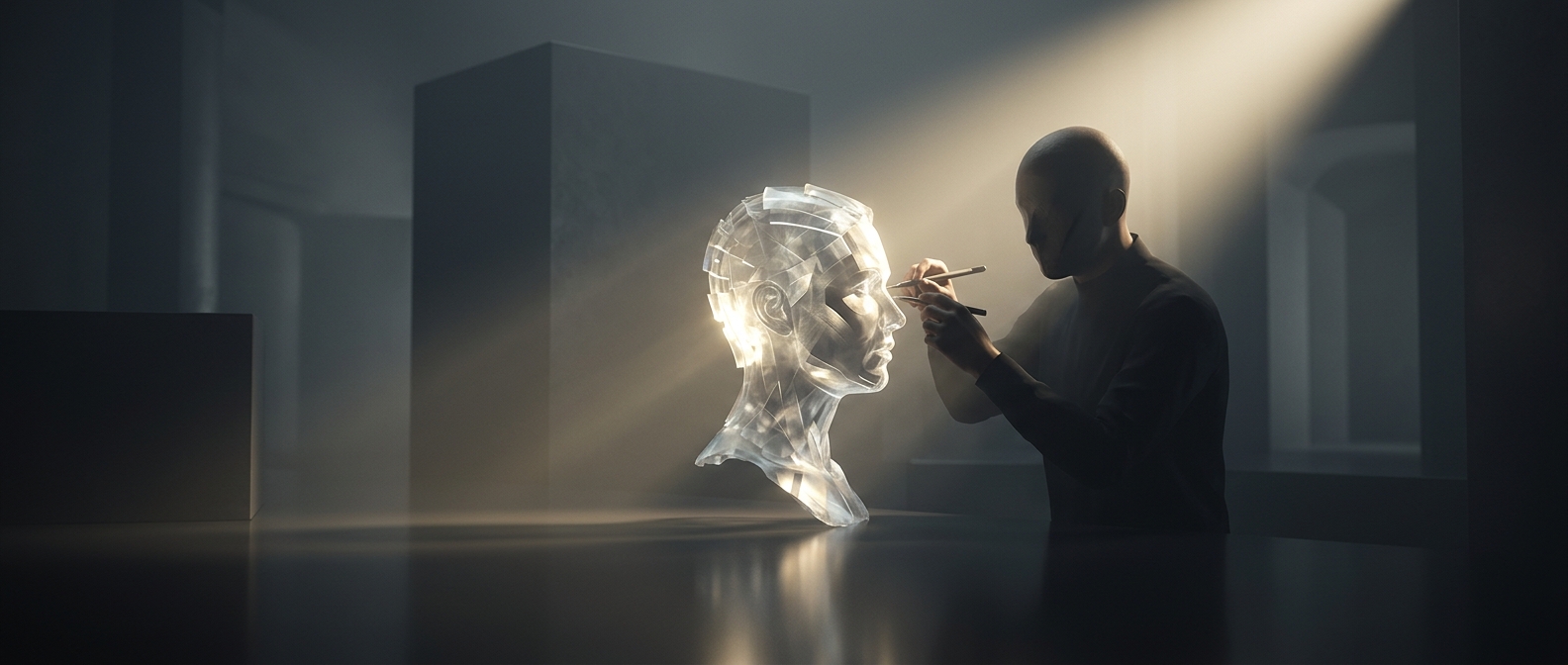
Why overhead lights can break a ritual’s atmosphere
For practitioners who want a room to feel quiet, intimate, or set apart from ordinary routines, lighting is part of the setting—not just a way to see. A bright ceiling fixture spreads light across the whole room and makes its familiar details stand out: furniture, clutter, and everyday surroundings. Fluorescent light can also feel stark compared with a lamp or candle’s warmer, more localized glow.
Softer light changes what the room asks for. It leaves some corners in shadow and draws attention toward the space where a reading, meditation, or other practice is taking place. That shift can help people settle into a mood of concentration or reflection. It does not require a supernatural explanation; atmosphere itself can influence how a space feels and how people behave in it.
The tradeoff is real
Dim light also makes ordinary tasks harder. A chair or table that is easy to spot under a ceiling fixture can become an obstacle when most of the room is dark. Practitioners who choose softer lighting are accepting that inconvenience in exchange for a setting they find more conducive to the experience.
That small compromise shows how much a ritual’s surroundings can matter: even the decision not to flip a switch can help mark the difference between an everyday room and a deliberately created atmosphere.