How a séance turned a table into a messenger
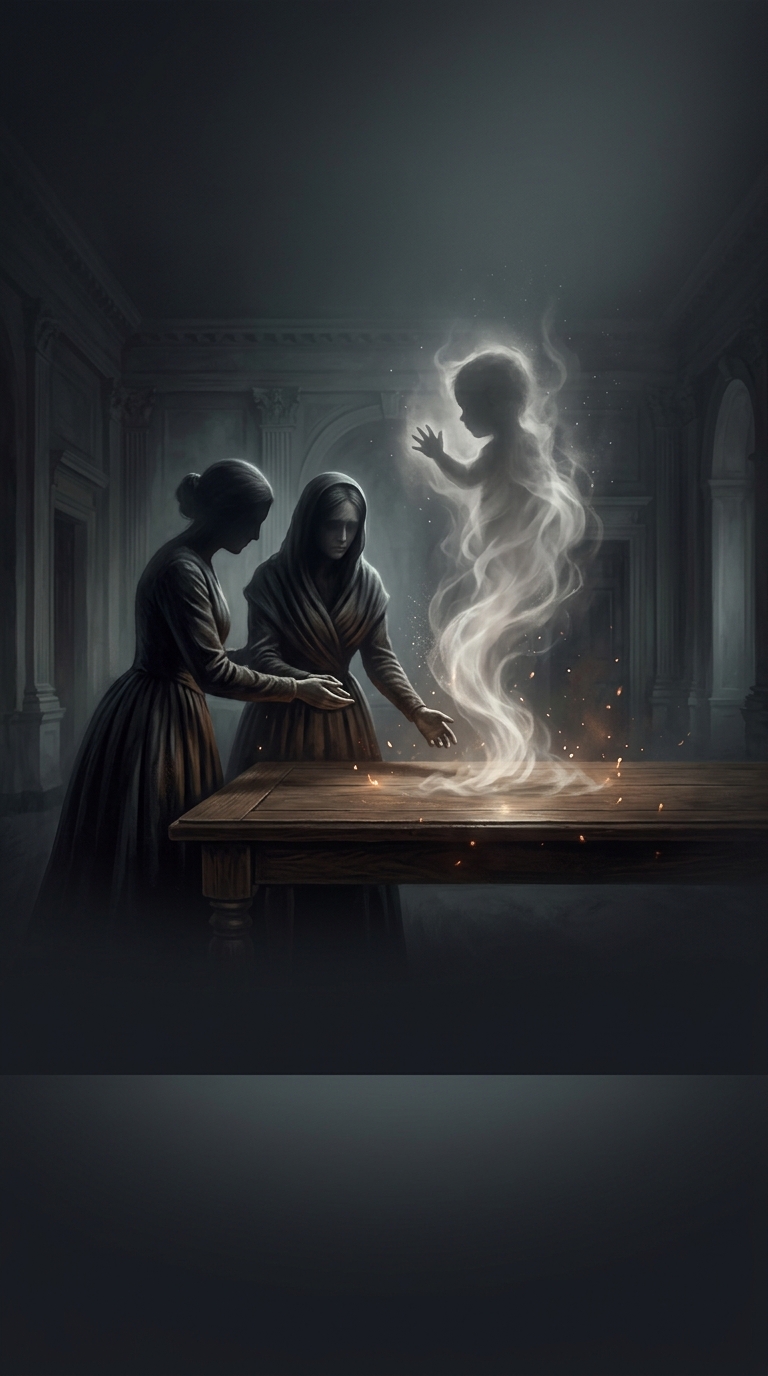
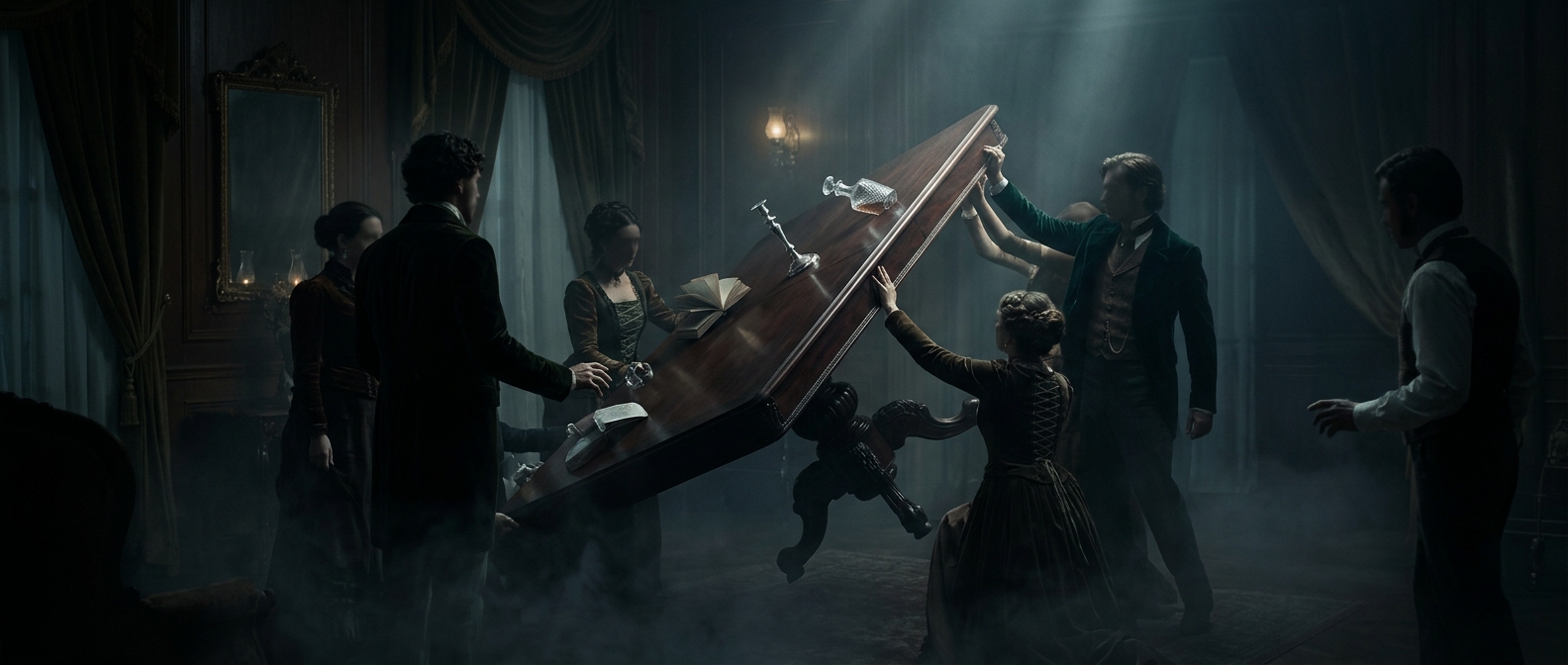
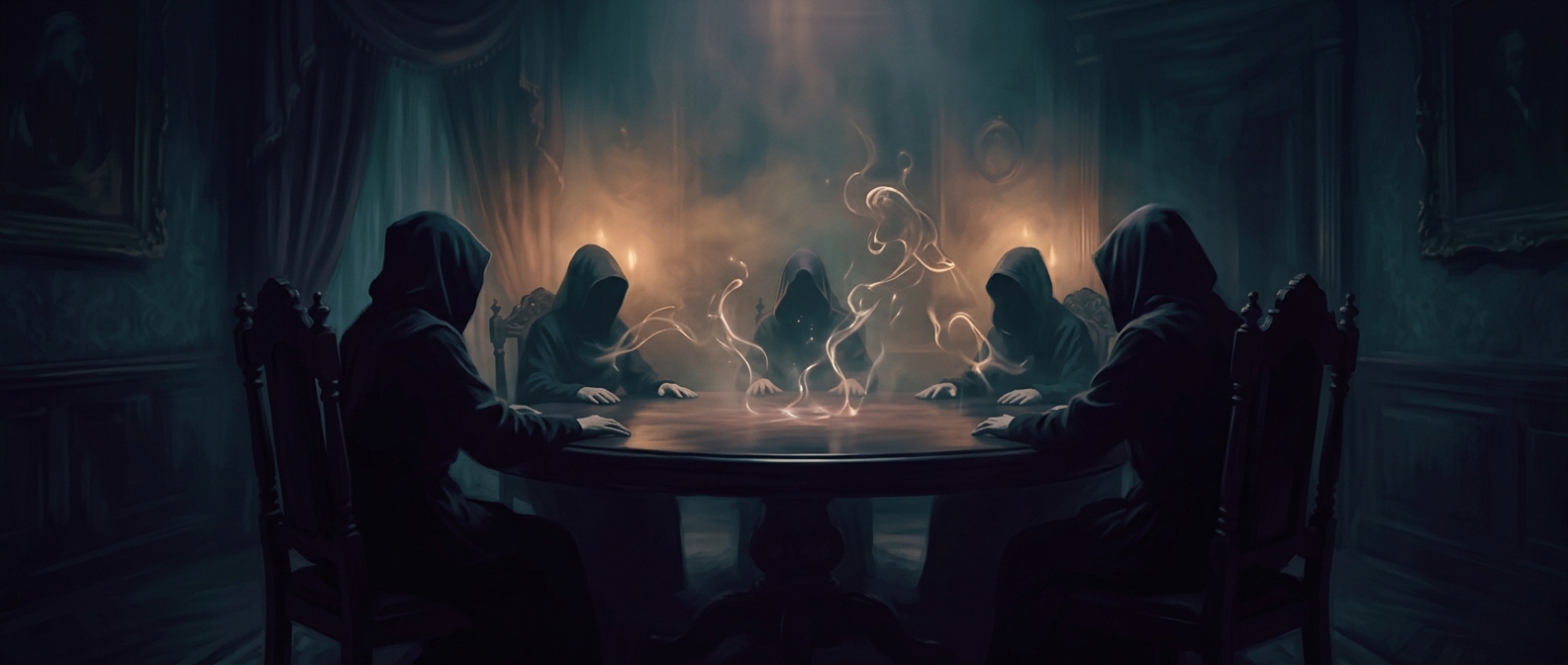
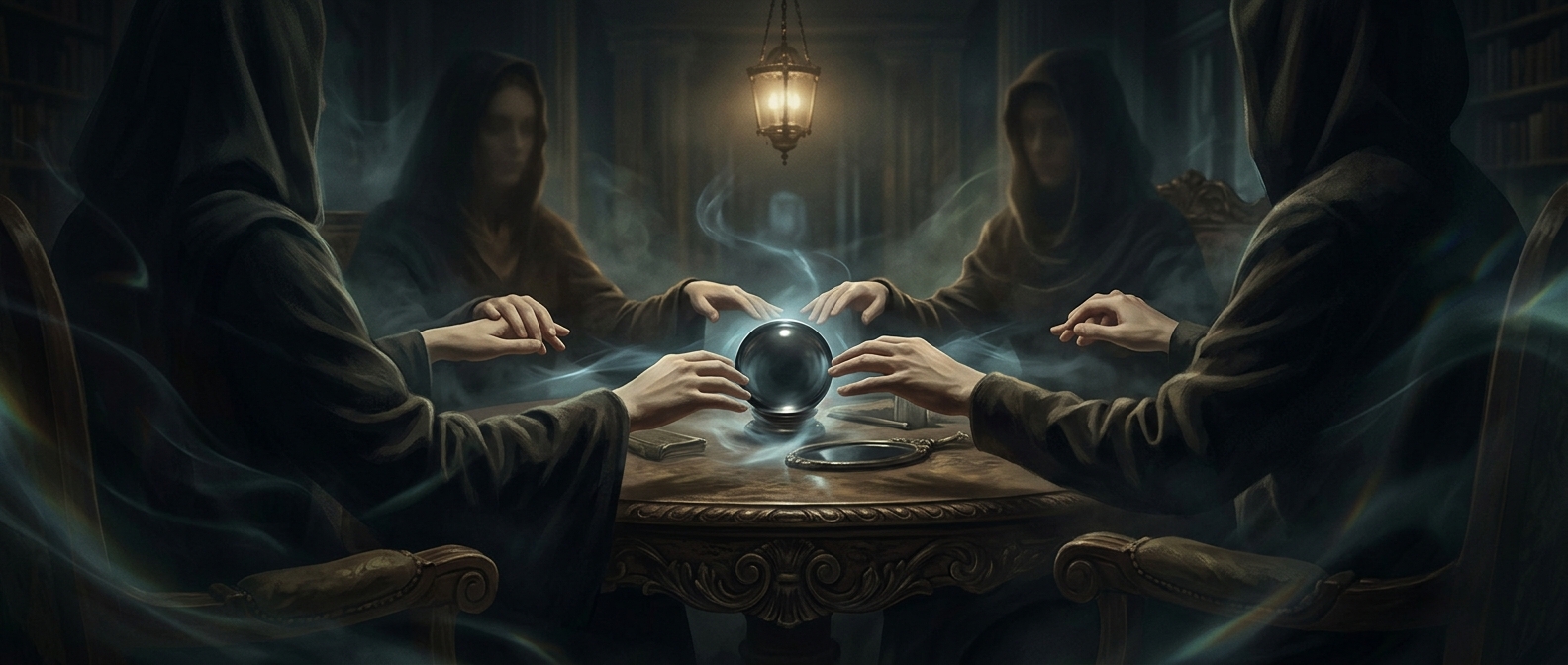
In a table-rapping séance, participants gathered around a table in dim light and often rested their hands on it or joined hands in a circle. A medium might address a deceased person and ask for a knock in reply. Some groups treated one knock as “yes” and a series of knocks as a coded answer; others looked for the table to tilt or move.
The setup made the table part of the conversation. Linked hands created a sense of shared participation, while the dark made small movements and their source harder to see. To believers, an unexpected rap could feel like a relative finding a way to answer from beyond the room.
Why the ritual felt compelling
A table’s slight shift can be amplified by a group: one person’s pressure travels through the surface, and others may adjust their hands in response, sometimes without noticing. That offers a physical explanation for some movements, but it does not capture what the ritual meant to participants. The séance gave people a structured way to speak to the dead, wait for a sign, and interpret an ambiguous sound together.
That combination—an intimate request, a darkened room, and a knock that seemed to come from nowhere—made an ordinary piece of furniture feel like a threshold between the living and the dead.