Grief entered the White House parlor
Willie Lincoln’s death in 1862 came during a war that was filling homes across the country with bereavement. For Mary Todd Lincoln, séances offered a way to act on a longing ordinary mourning could not satisfy: the hope of hearing from her child again. The Red Room’s dimmed lights and invited mediums turned that hope into a shared ritual rather than a private prayer.
What a séance was meant to do
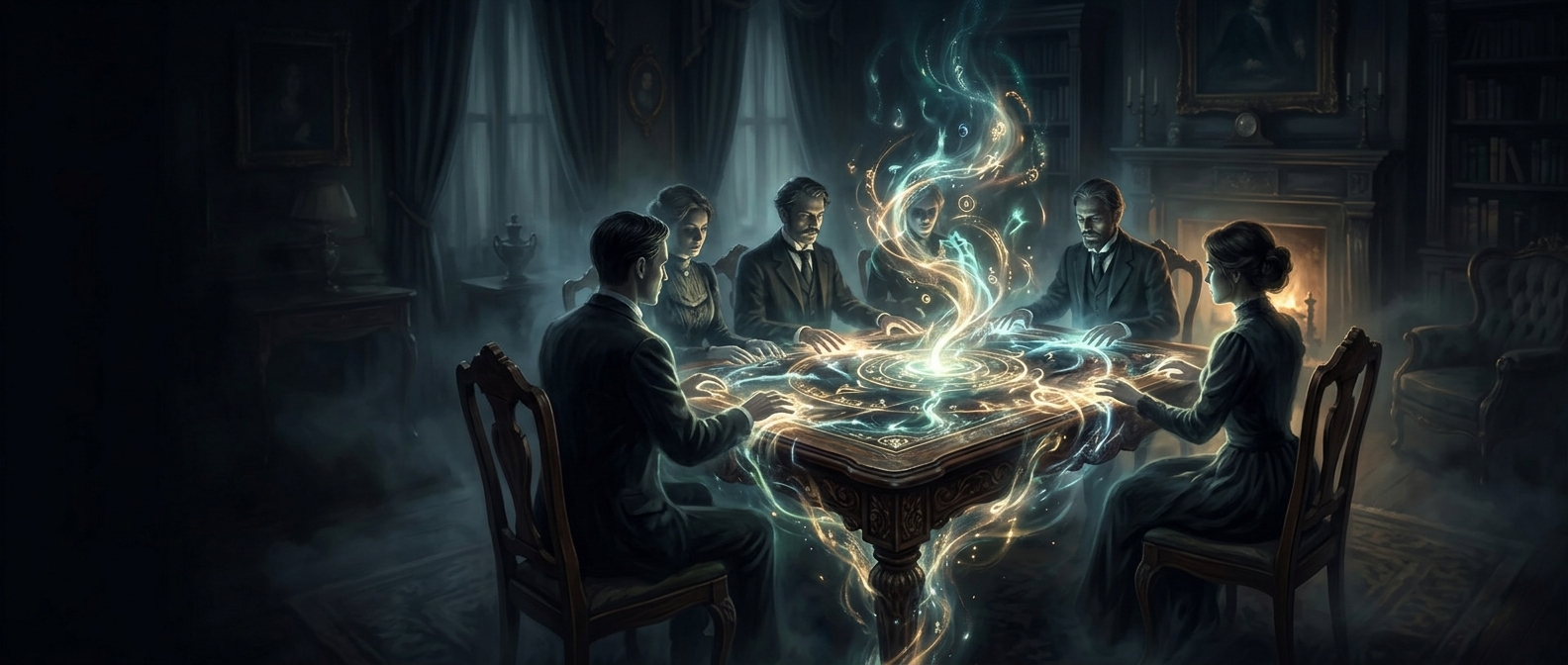
Spiritualism, a movement that drew many American followers in the 19th century, held that the dead could communicate with the living through a medium. A medium might claim to relay a spirit’s words or presence. The lowered light and concentrated attention helped create an atmosphere in which participants could interpret sounds, sensations, or gestures as signs of contact.
That explains the séance’s emotional and social power without establishing that a spirit was present. For a grieving parent, the ritual made an otherwise unreachable conversation seem possible—and gave other people a role in sustaining that possibility.
A private loss in a public household
The White House was not simply a family home; it was also the center of wartime government. Reports that Abraham Lincoln attended some gatherings place the president, too, within the circle of grief, though his presence is described as uncertain. The séances show how personal mourning could unfold even in a household burdened by public crisis.
Their lasting significance is not proof of communication with the dead. It is the stark picture of a mother using the spiritual practices of her era to keep reaching for a son she had lost.