How a Planchette Can Move Without Anyone Meaning to
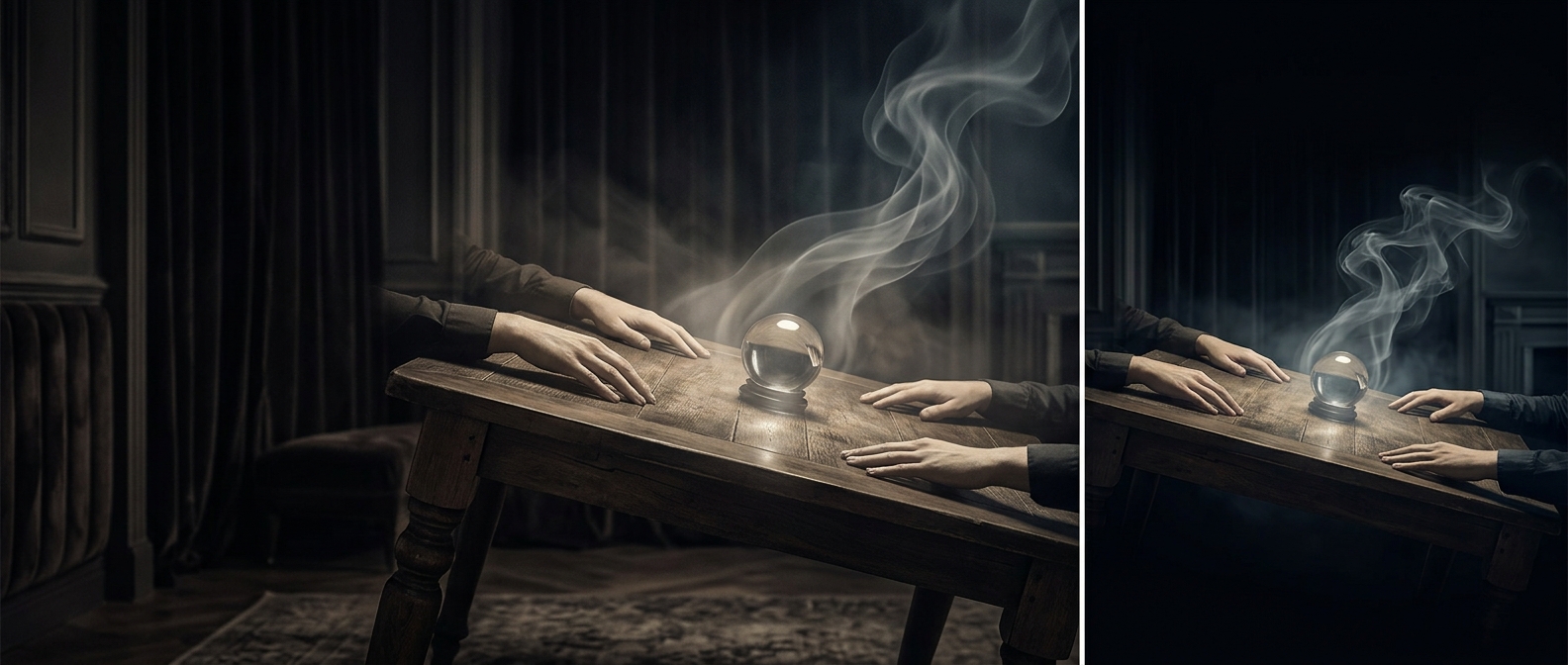
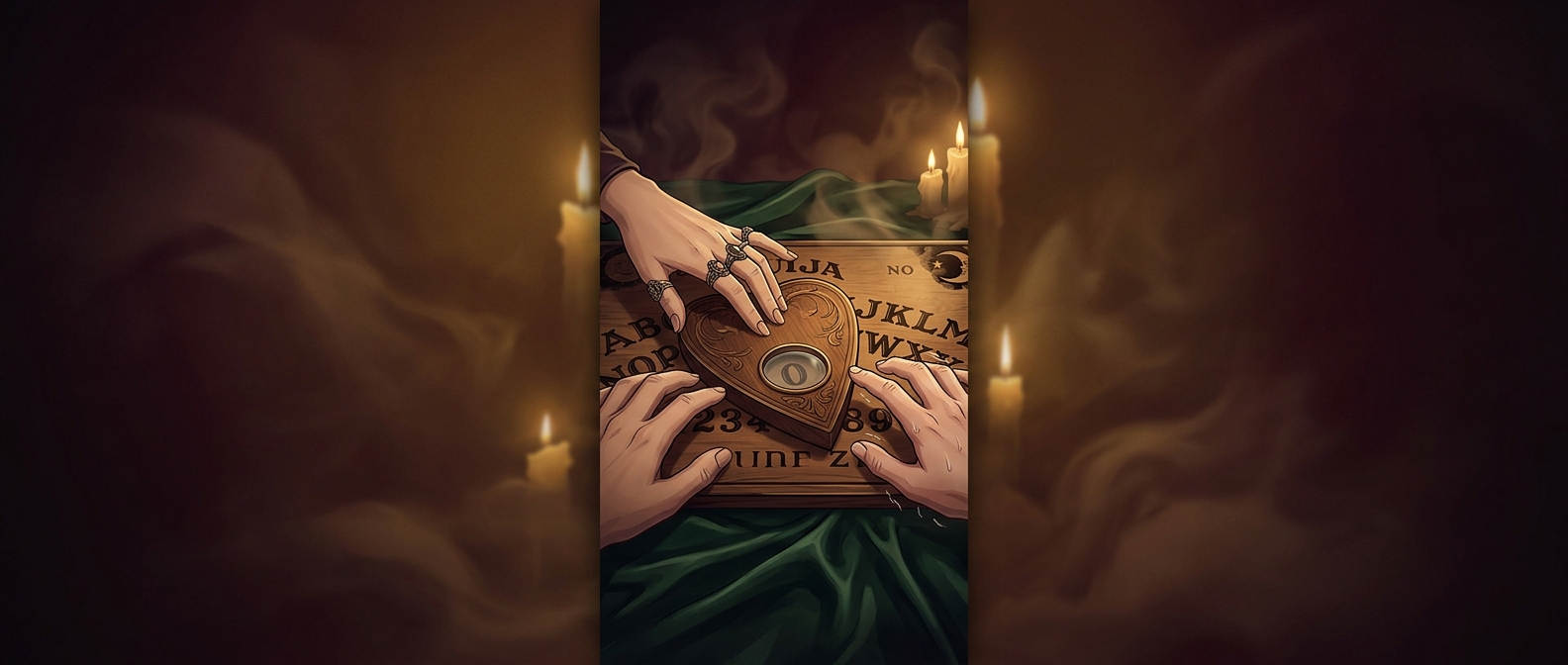
A planchette is the small, often heart-shaped board used with a talking board. Participants rest their fingertips on it and watch it glide across letters or toward answers. The movement can feel mysterious because no one person seems to be steering it—but it does not require a deliberate push.
The Ideomotor Effect, in Small Movements
The ideomotor effect is motion produced by thoughts or expectations through tiny muscle actions that happen without conscious intent. A participant may expect the planchette to move toward a particular letter, then make a slight finger or wrist movement without noticing. Because several people are touching the same piece, those small motions can combine and guide it.
The movement is real; what can be mistaken is its cause. People may sincerely feel that they are holding still, while their fingertips are making subtle adjustments. As the planchette slides, its motion can seem to confirm what participants are thinking—or to supply an answer none of them consciously chose.
Why It Feels Like Someone Else Is in Control
Attention is fixed on the board, not on the hands. The planchette’s movement is also shared across the group, making it difficult to identify who contributed which motion. In a séance, anticipation and fear can make an unexpected glide feel especially significant. A companion who deliberately nudges the board can add to the effect, but an apparent message does not by itself show that anyone pushed it on purpose.
That is the unnerving twist: a board can move under the group’s hands while every participant experiences the motion as coming from somewhere else.