A private practice behind a public image
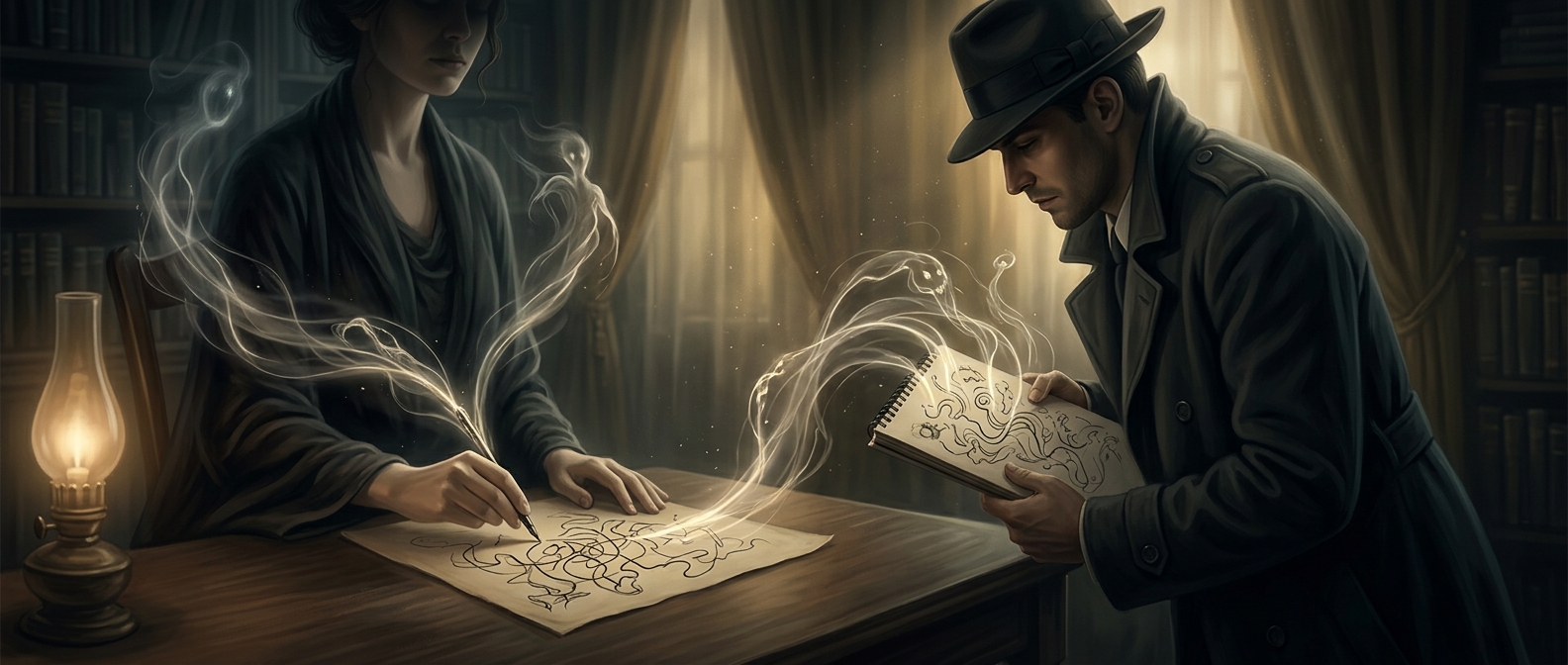
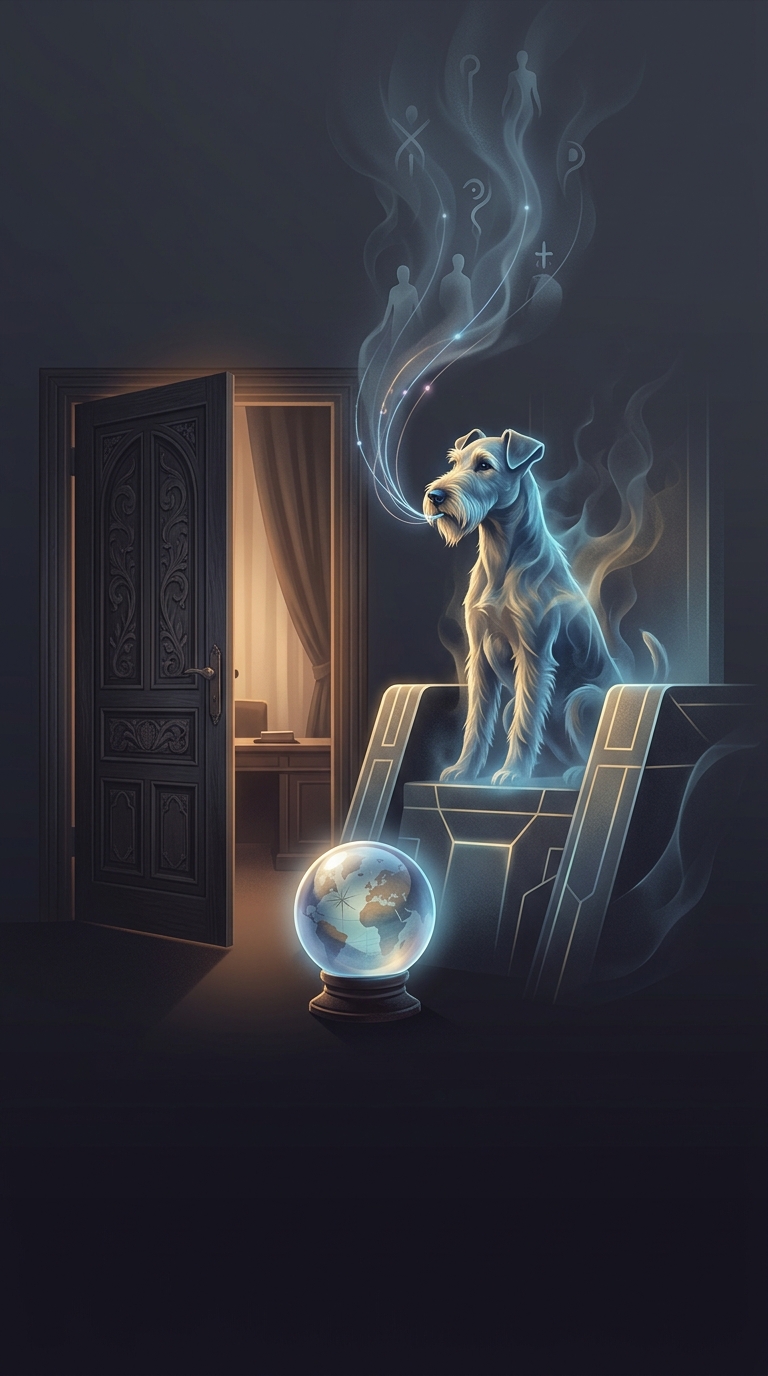
William Lyon Mackenzie King’s political life and spiritual interests occupied strikingly different worlds. In public, he was a cautious leader who valued practical judgment. In private, he recorded attempts to communicate with the dead, including his mother, his dogs, and figures from political history.
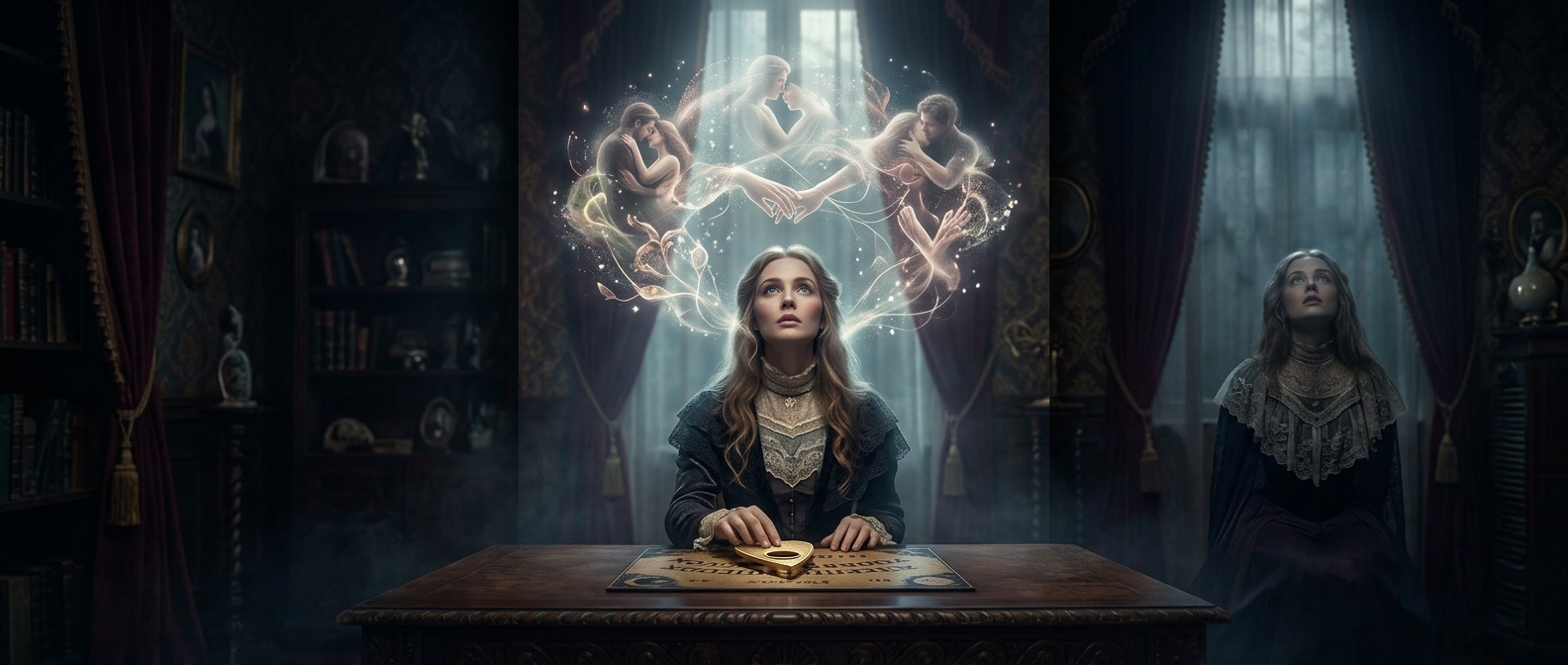
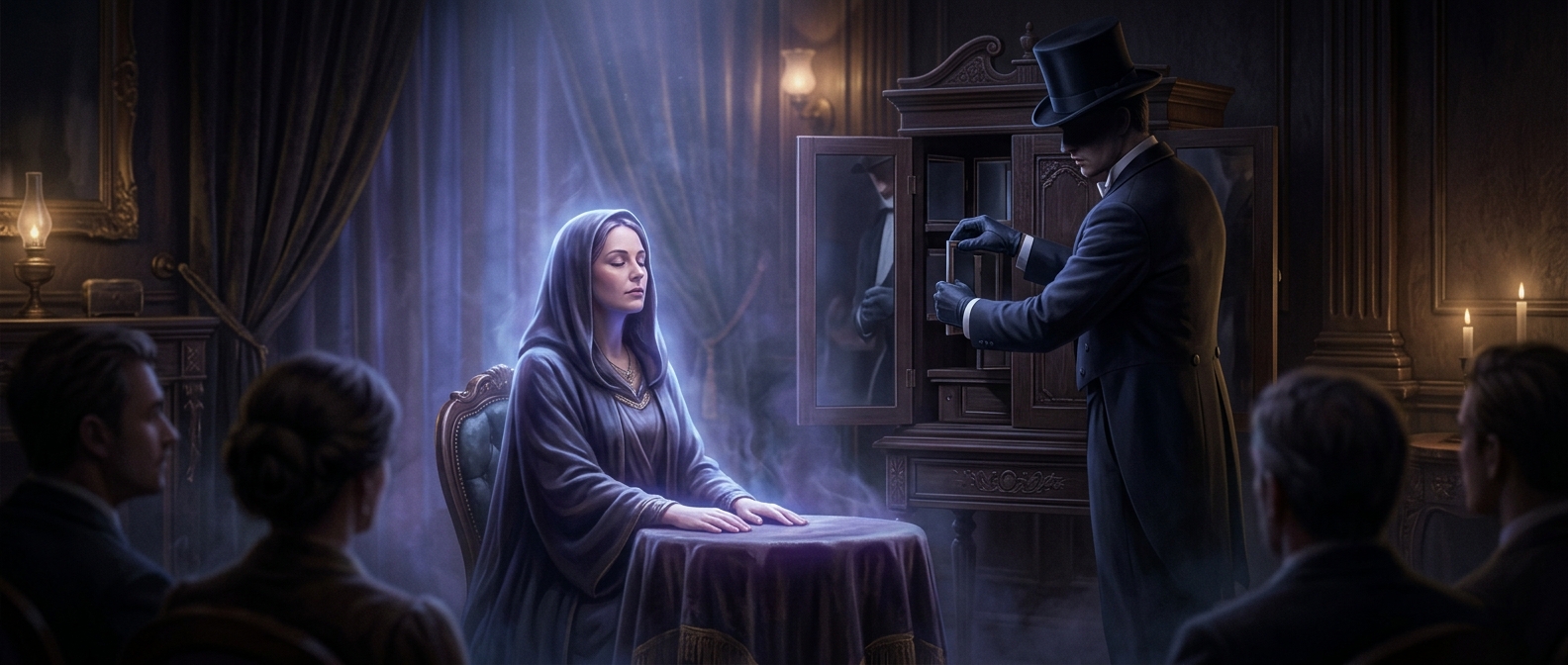
A séance is a gathering in which participants try to make contact with spirits, often through a medium. King’s diaries show that these encounters were not just a passing curiosity: he returned to them and wrote down what he believed or hoped the sessions might reveal. The diaries preserve his own record of the practice, not independent evidence that the dead were present or speaking.
What the diaries can—and cannot—tell us
King’s diaries make an unusually intimate historical source. They let readers see a politician’s private thoughts alongside the public decisions for which he is remembered. Their value lies partly in that contrast: the same person could approach government with hard-nosed calculation and seek spiritual counsel in his personal life.
That contrast does not mean séances determined his policies. A private search for comfort, connection, or guidance is not the same as a basis for governing, and the record does not justify treating his spiritual experiences as the hidden cause of his political choices. It does show how he made room for beliefs and rituals that might seem at odds with his public manner.
The revealing detail is not simply that a prime minister attended séances. It is that King wrote these episodes into a diary, leaving behind a record in which the machinery of national leadership sits beside an intensely personal effort to keep the dead close.