From spirit messages to artistic method
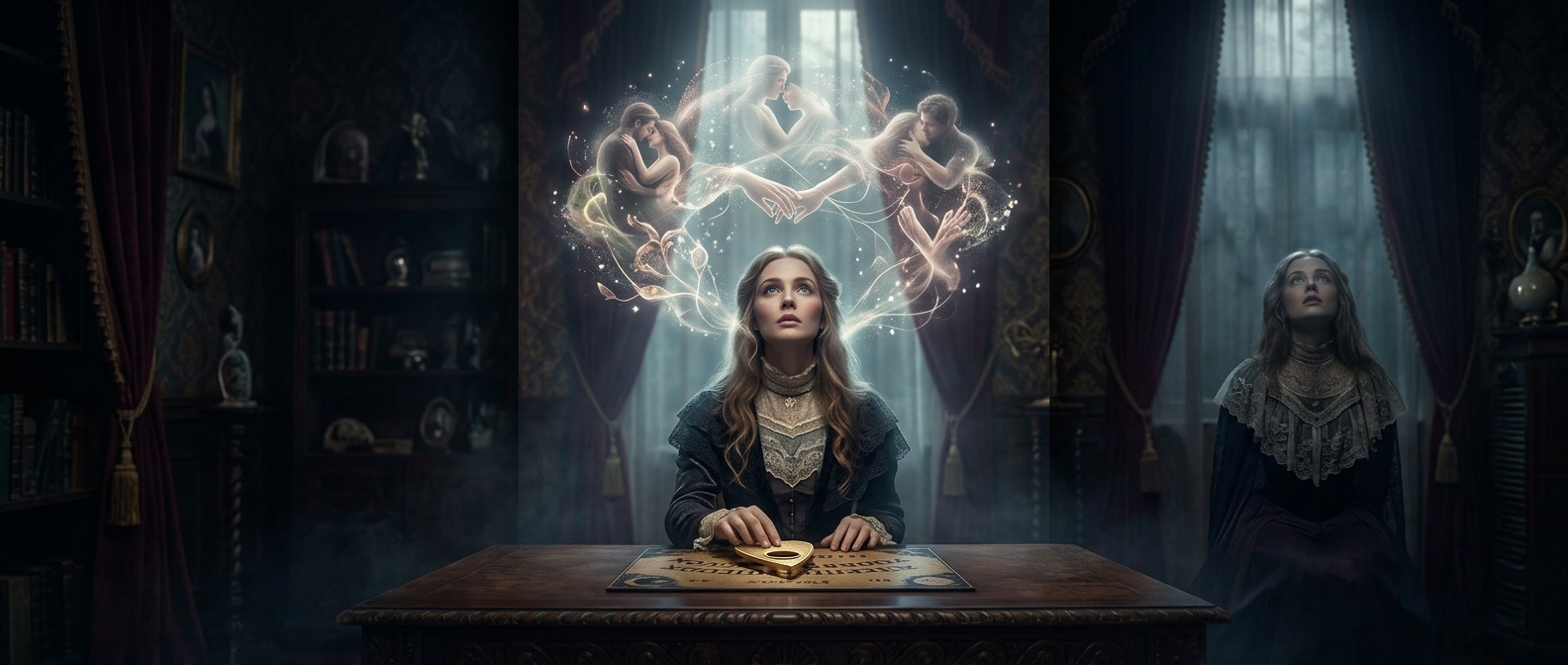
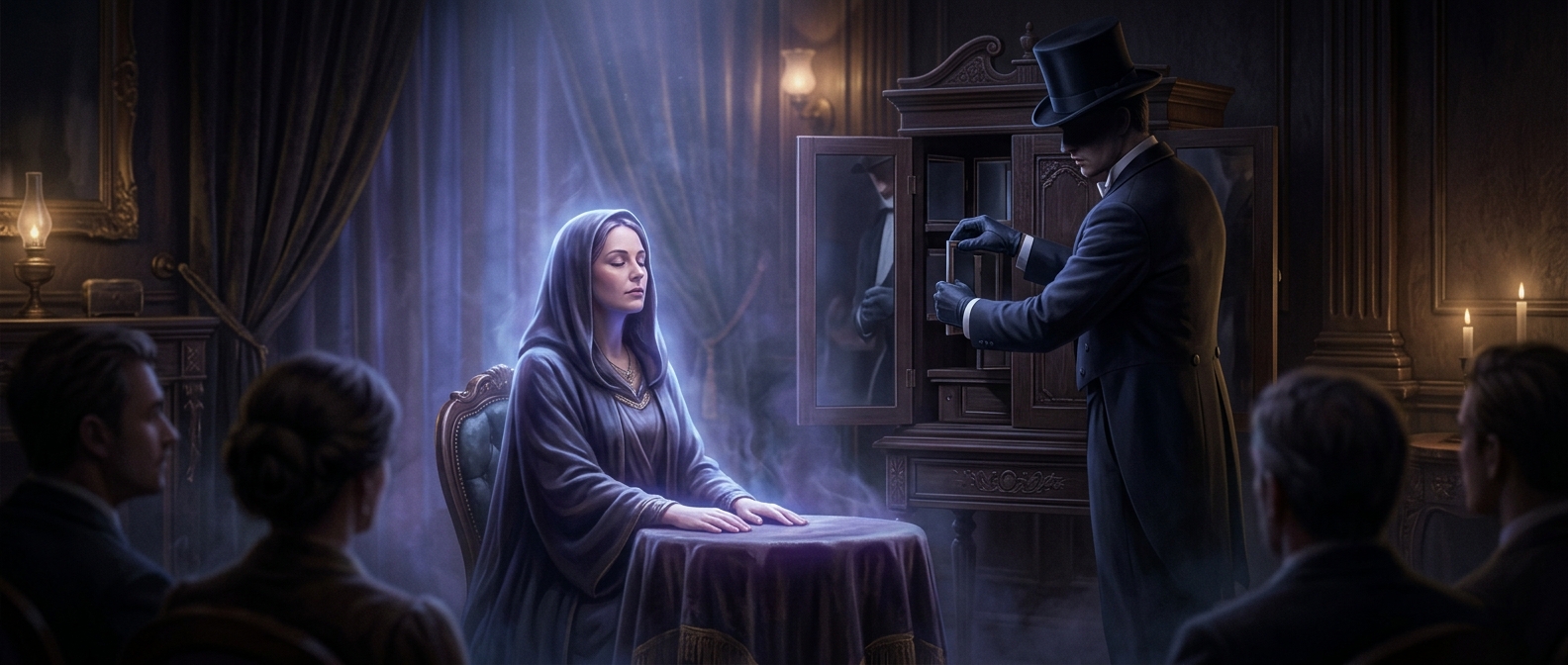
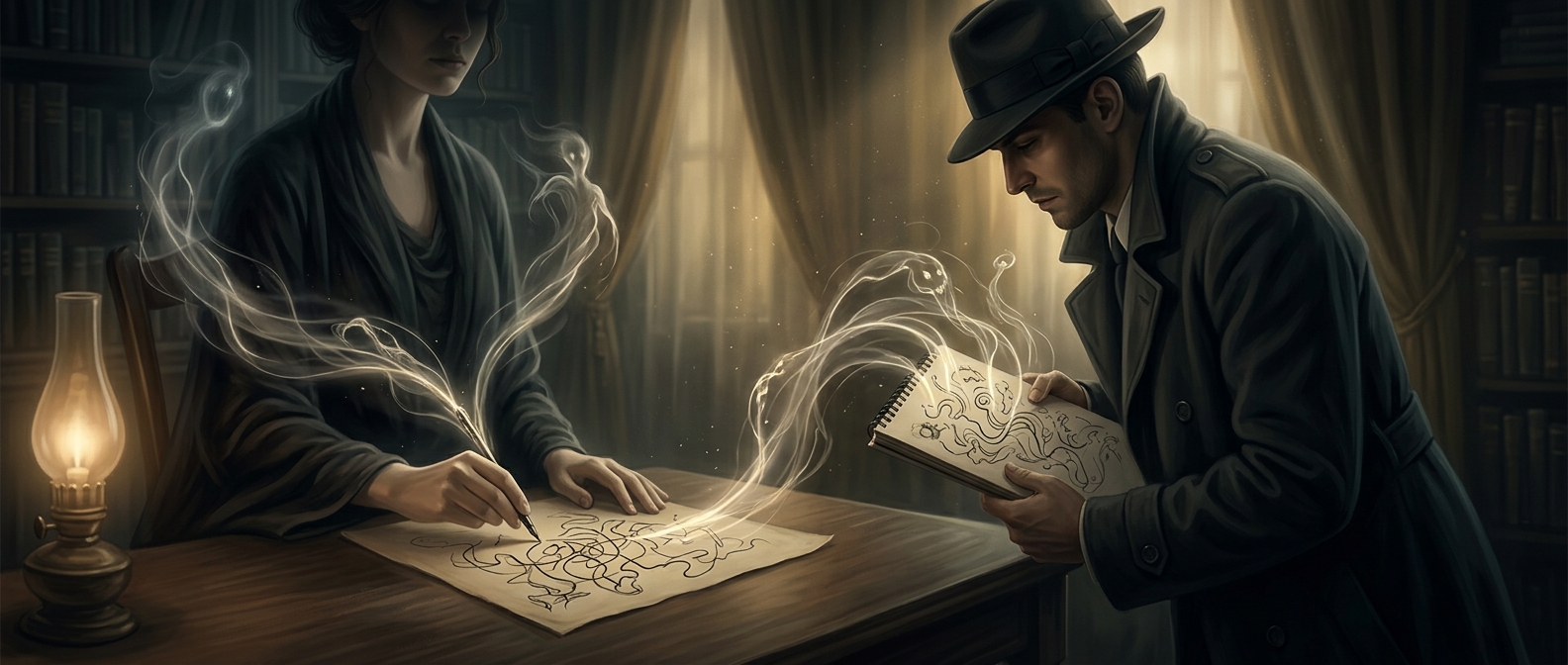
In nineteenth-century Spiritualism, a medium was someone believed to communicate with the dead. Some mediums made marks or pictures while in a trance, interpreting the movement of the hand as guided by spirits rather than by ordinary conscious choice. The drawing mattered not only as an image but as evidence, to believers, of a presence acting through the person.
Early Surrealists took up the striking procedure—making marks with less deliberate control—but gave it a different explanation. Instead of treating the hand as an instrument of spirits, they saw unplanned drawing as a way to loosen the conscious mind’s grip and let hidden thoughts or associations surface.
What changed when artists used it
That shift in purpose changed how the marks were read. A stray line could prompt an unexpected shape; an accidental form could lead the artist toward the next one. The aim was not simply to make a strange picture, but to interrupt the usual sequence of planning, judging, and correcting that governs much deliberate art.
The resemblance between the practices is real, but the meanings were not interchangeable. Spiritualist mediums understood trance drawing within a religious belief about communication with spirits. Surrealists treated automatic drawing as an artistic experiment in mental freedom. The technique carried over; the account of who—or what—was guiding the hand did not.