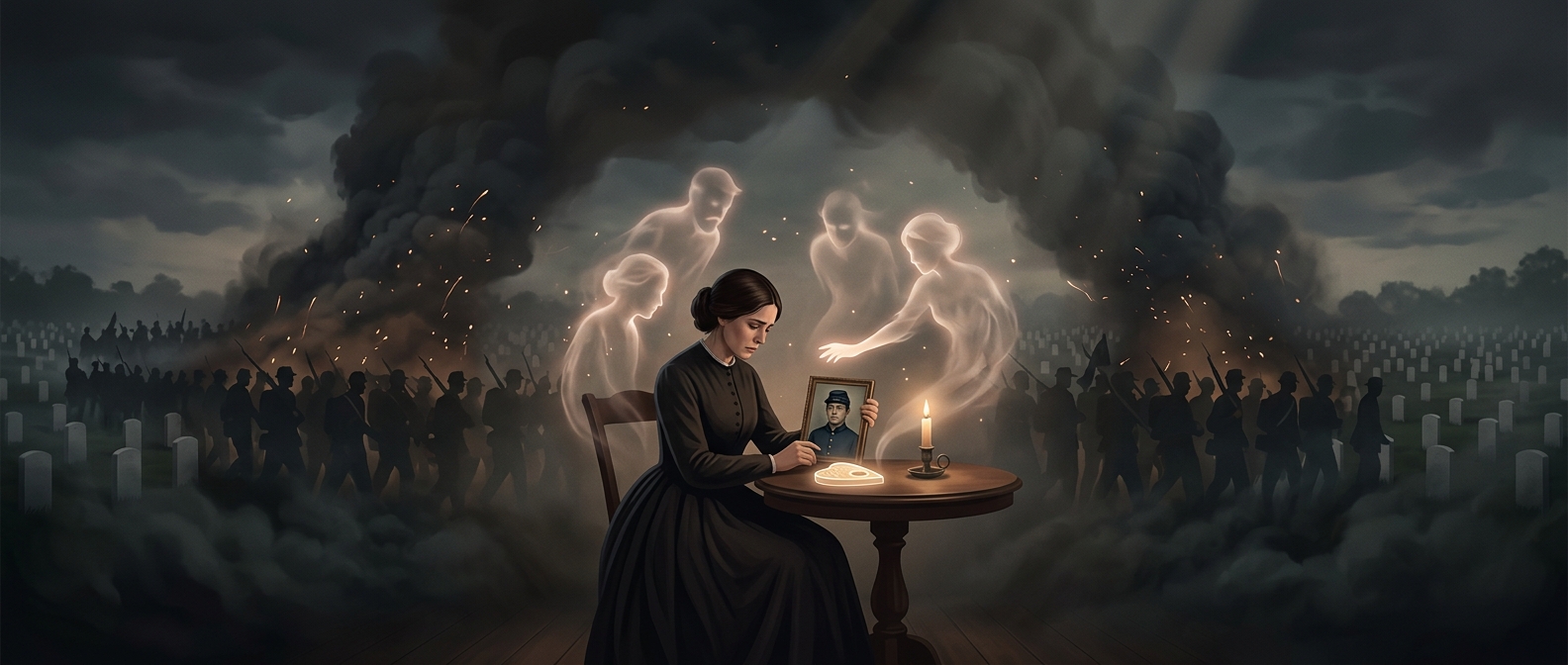
A war made private grief feel unfinished
Spiritualism—the belief that the living could communicate with the dead through mediums—predated the Civil War. The conflict, however, gave that belief a vast and painful audience. Families lost sons, husbands, and brothers far from home, often with little chance to see the body or learn exactly how a loved one had died. A letter saying someone was missing or dead could leave questions that ordinary mourning could not answer.
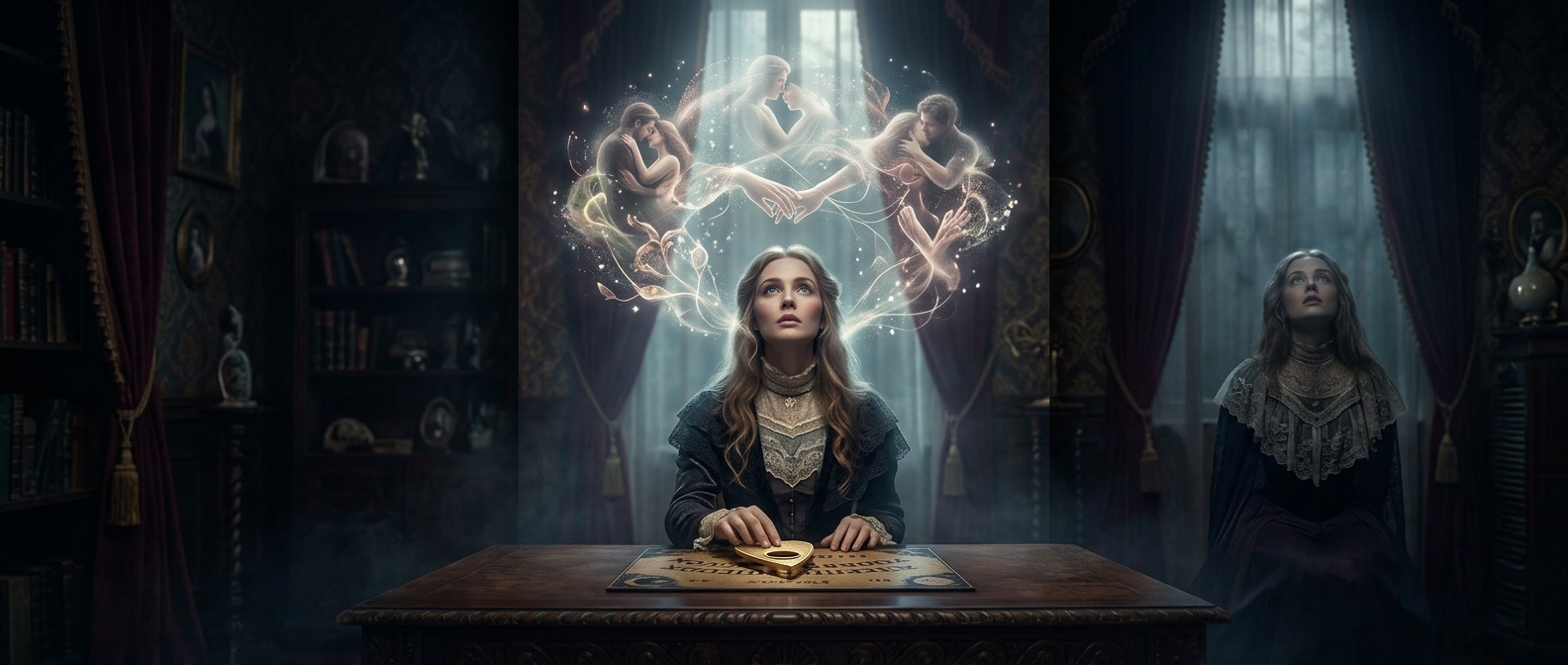
A séance offered the possibility of a reply. Instead of treating the dead as wholly beyond reach, Spiritualists said a medium could convey messages from them. For people desperate to know that a loved one was safe, remembered, or still present in some form, that promise could make grief feel less solitary.
How a séance made contact feel tangible
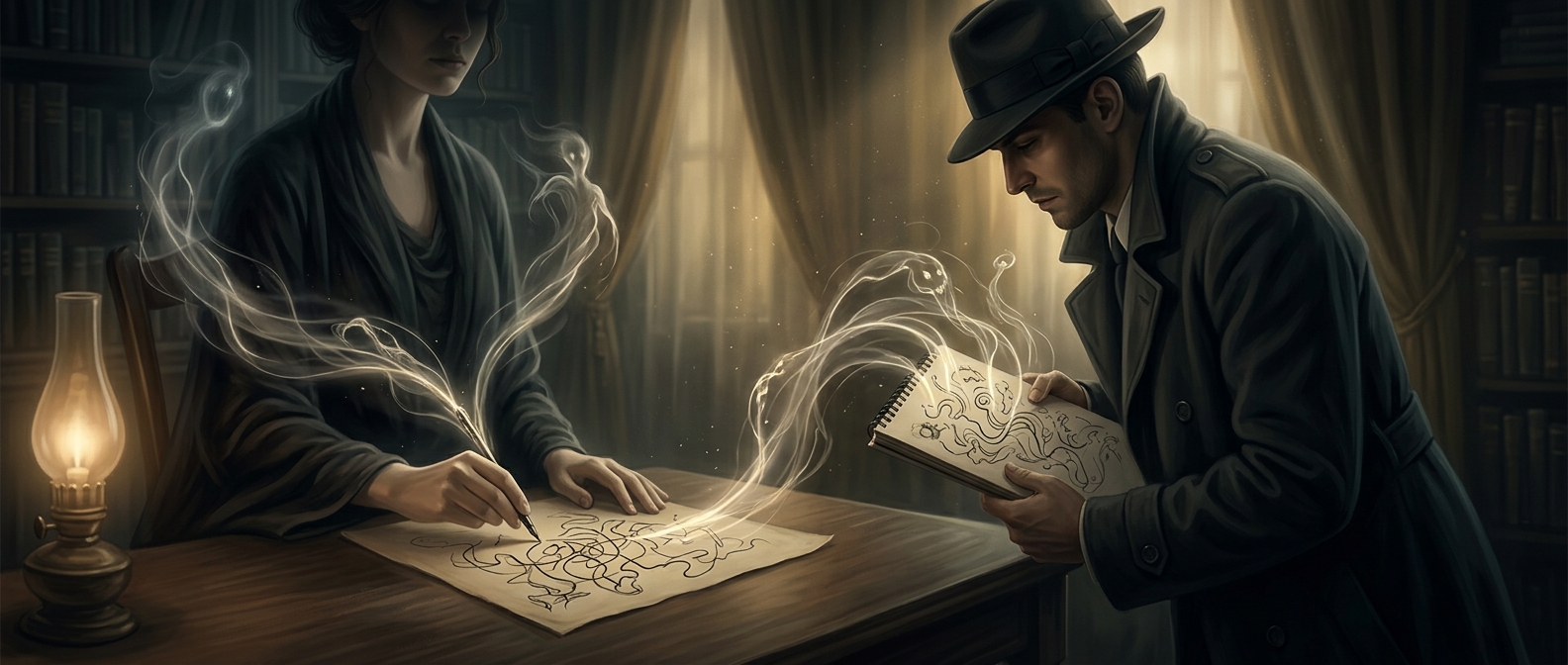
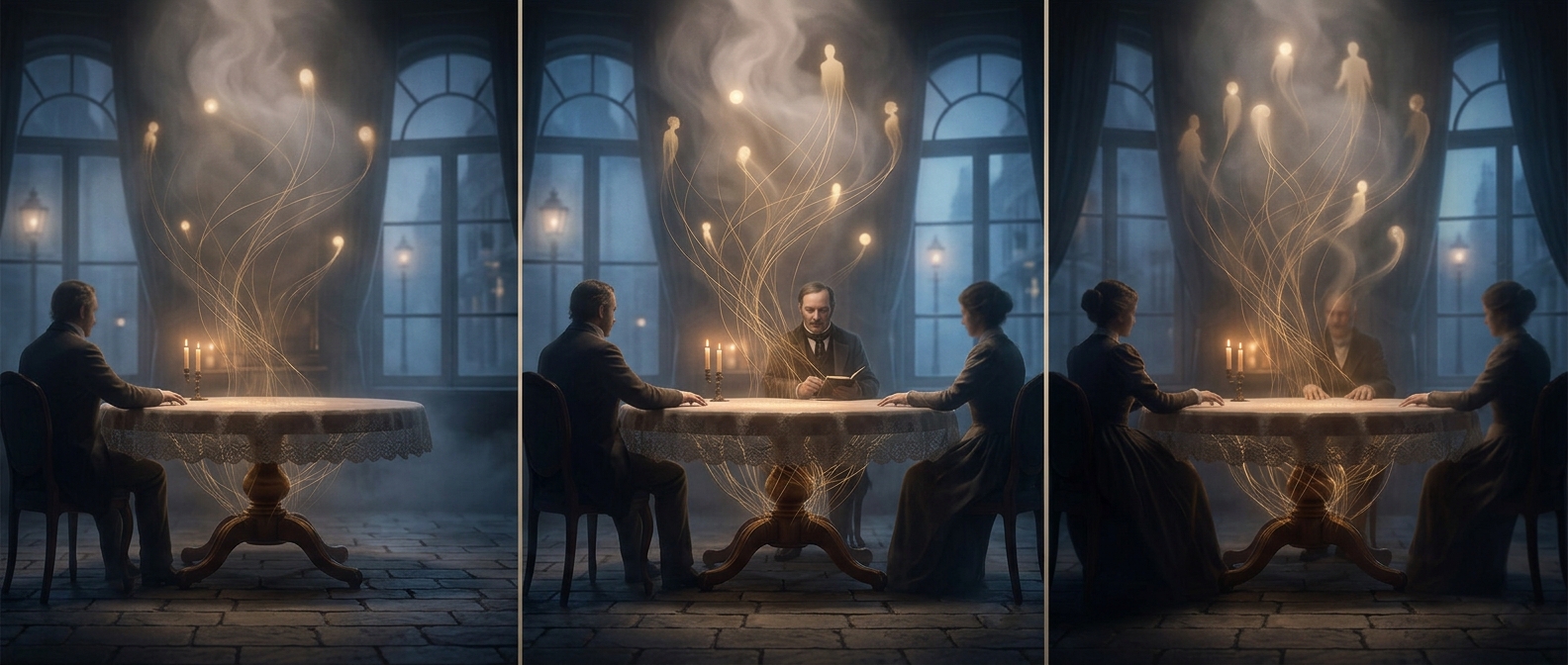
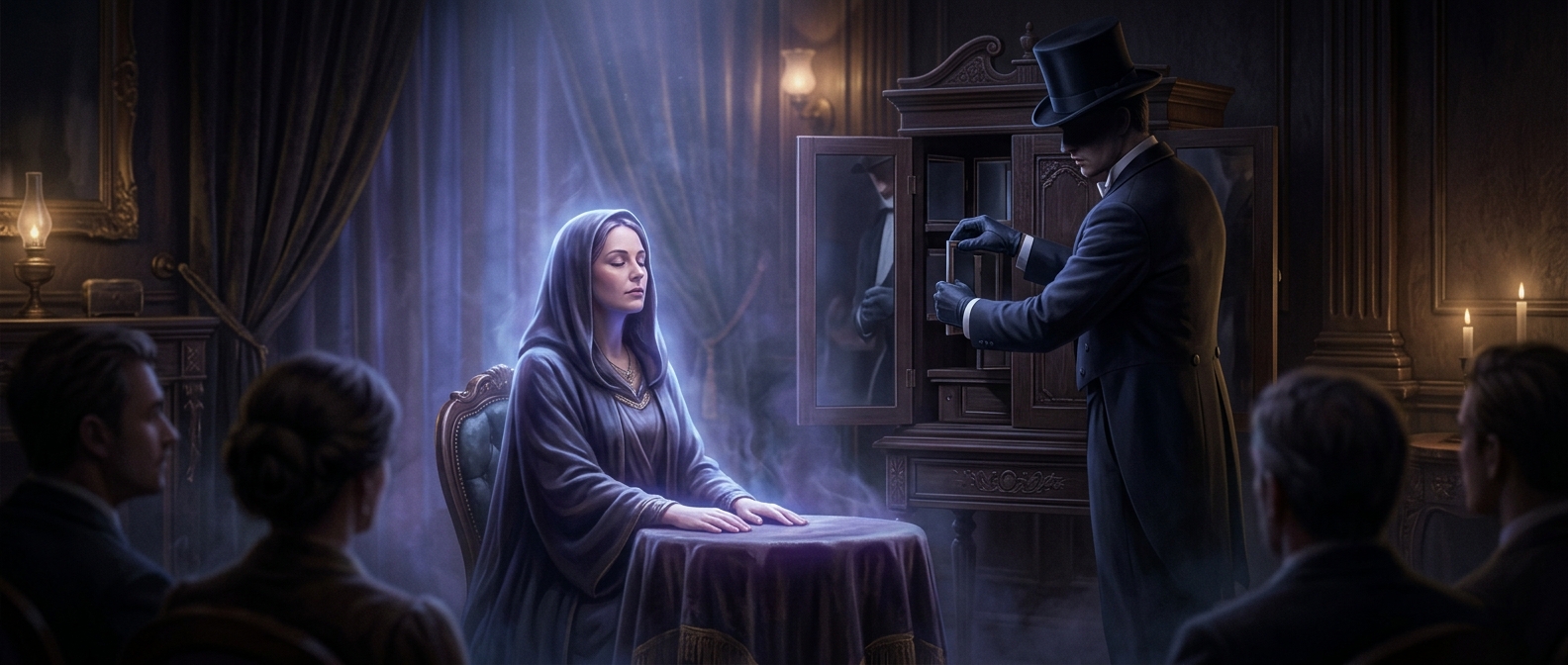
Mediums presented communication as an event people could witness together. In a darkened room, participants might sit around a table, hear raps, or watch a medium enter a trance—a state in which the medium appeared to speak or act as an intermediary for a spirit. Some séances used a floating trumpet, said to carry a spirit’s voice. The objects and sounds gave an invisible claim a physical setting, even though they did not establish that spirits were speaking.
The attraction was not simply spectacle. A message presented as coming from one particular dead person could feel more intimate than a general religious assurance about the afterlife. The war did not create Spiritualism; it multiplied the number of people who wanted contact with someone they had lost. That hunger helped turn séances into a familiar response to bereavement in the years around the conflict.