When Spiritual Authority Challenged Marriage
Some 19th-century Spiritualists argued that a marriage was not automatically righteous simply because the law recognized it. They believed the living could receive messages from spirits and that moral truths—sometimes described as higher or divine laws—could outrank rules made by human institutions. If a marriage became coercive or loveless, they reasoned, a legal bond alone did not make it sacred.
That argument became part of the era’s free-love movement, which called for relationships to rest on mutual affection and consent rather than a husband’s legal control. The phrase did not mean that every Spiritualist rejected marriage or agreed on one model of relationships. It named a contested effort to loosen marriage’s grip on women’s lives.
Why the Argument Mattered to Women
Victorian marriage law and custom gave husbands substantial authority, while divorce could be difficult, costly, and socially damaging. A woman who wanted to leave an unhappy marriage could face not just personal upheaval but legal and economic barriers. Spiritualist reformers offered a powerful counterclaim: a woman’s conscience and spiritual judgment could matter more than a contract imposed by earthly law.
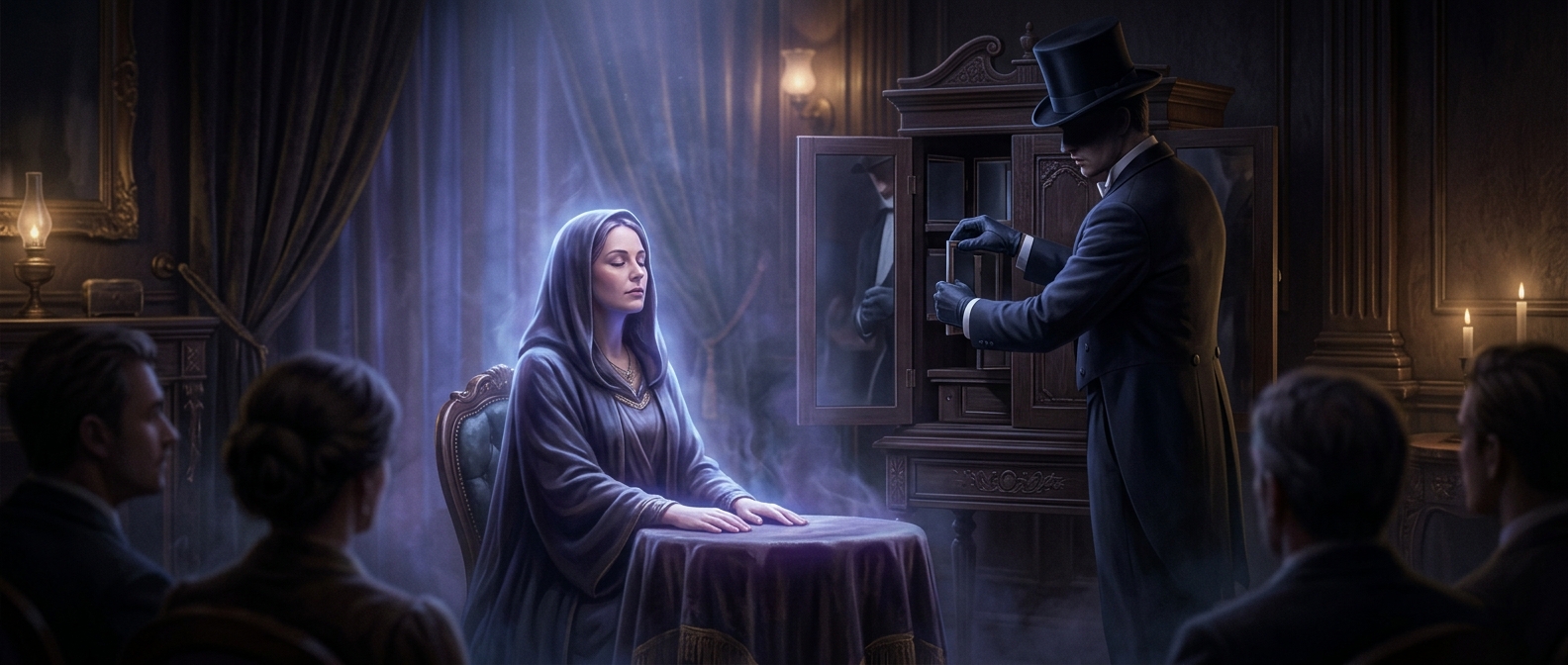
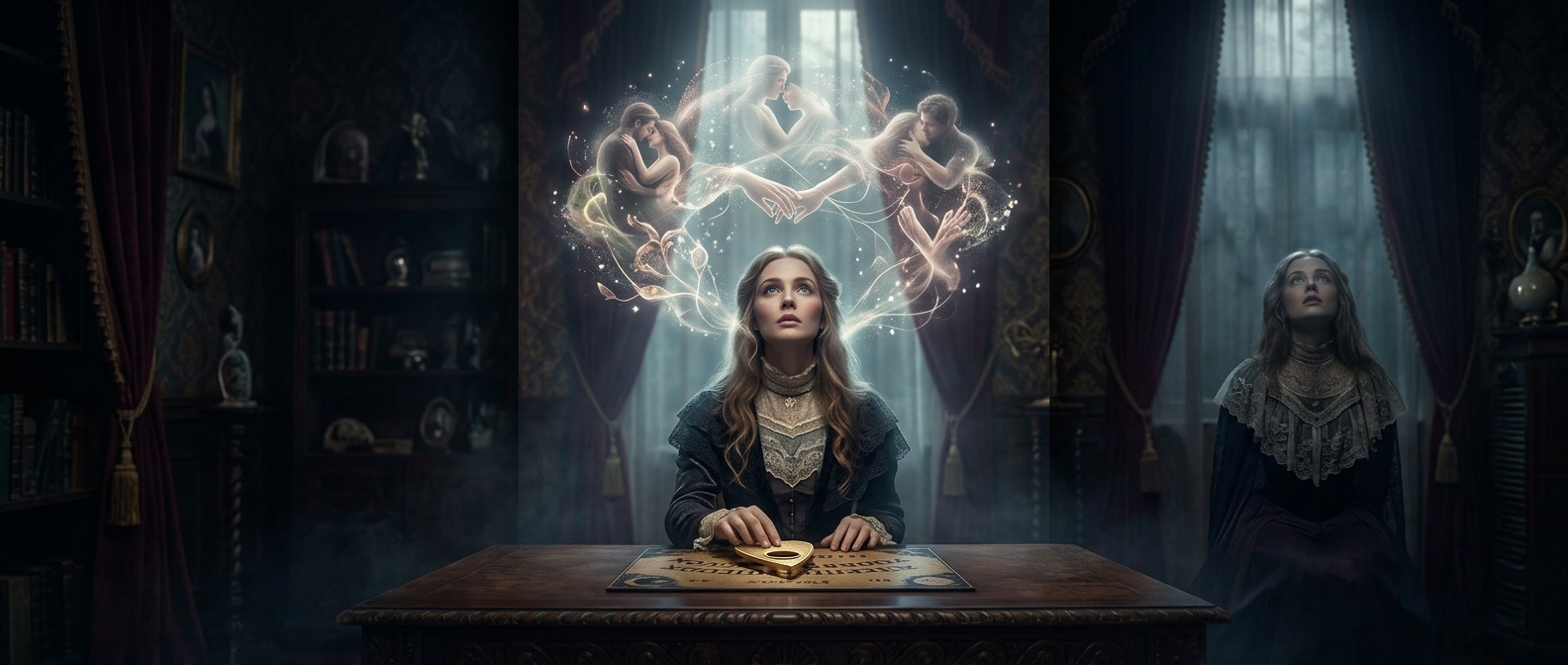
Mediums—people believed to communicate with spirits, sometimes while in a trance—could give such ideas a distinctive public voice. Their claimed access to a realm beyond ordinary authority helped some reformers frame women’s independence as a moral principle, not merely a personal preference. The result was a striking alliance between spiritual belief and social protest: the same séance culture associated with messages from the dead could also challenge who had the right to decide whether a marriage should continue.