Knocks That Turned a Farmhouse Into a Séance
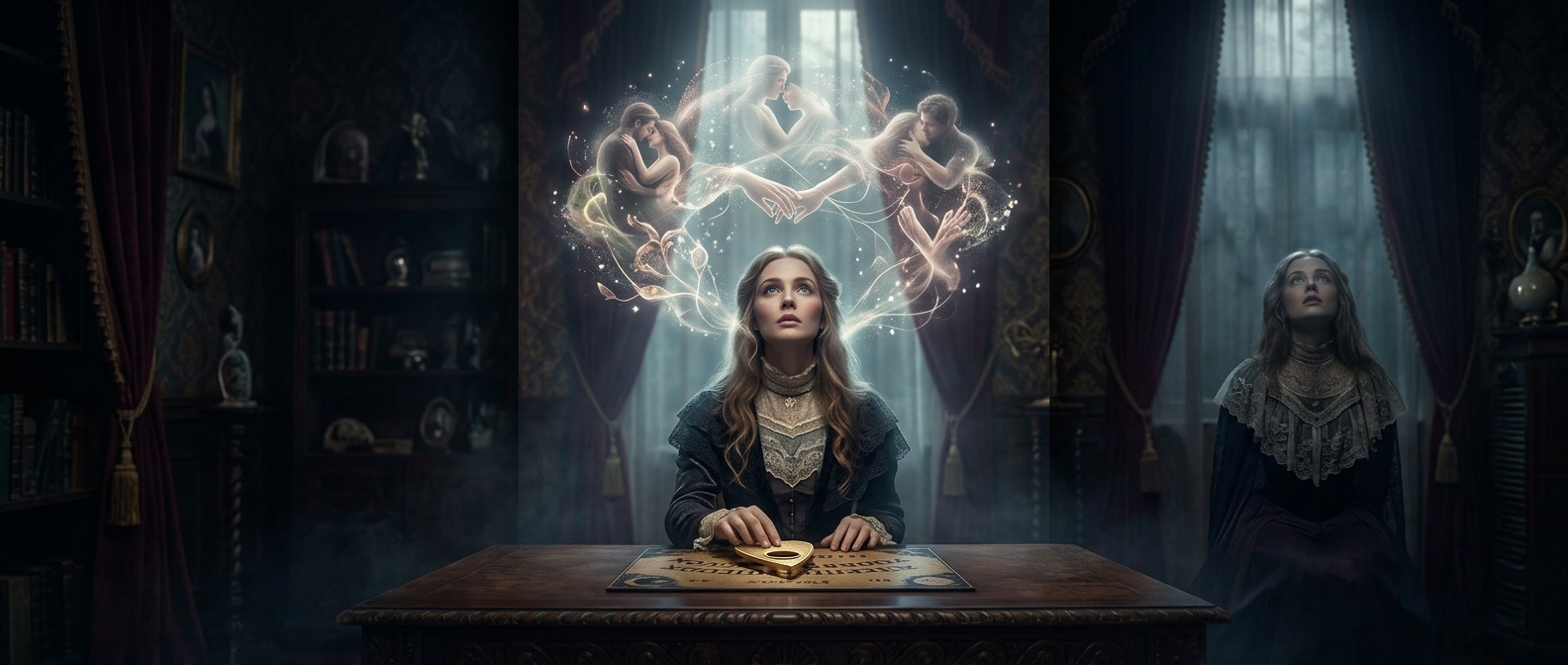
In 1848, sisters Margaretta and Kate Fox said that unexplained knocks in their Hydesville, New York, farmhouse were answers from the spirit of a murdered peddler. Their family and neighbors tested the claim by asking questions and listening for knocks in response. The simple call-and-response made an unseen presence seem reachable—and gave visitors a way to participate rather than merely hear a ghost story.
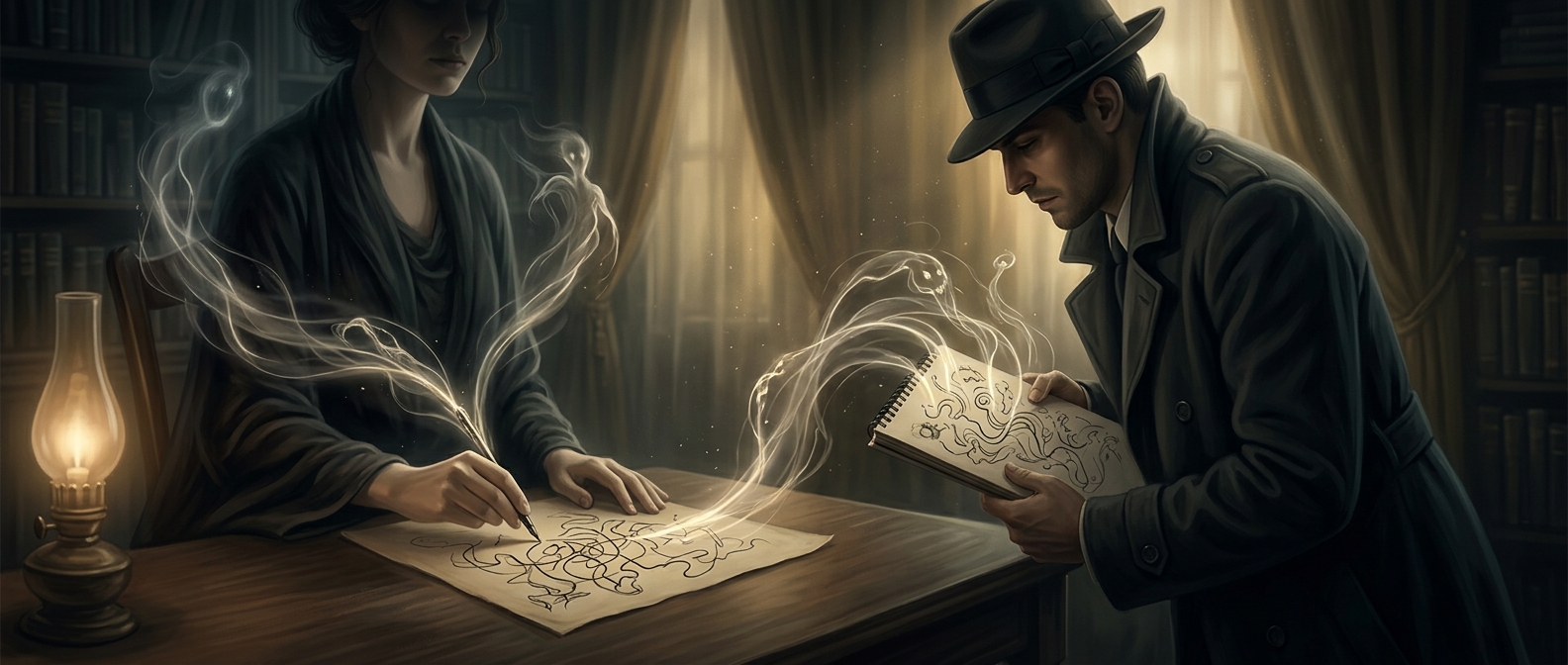
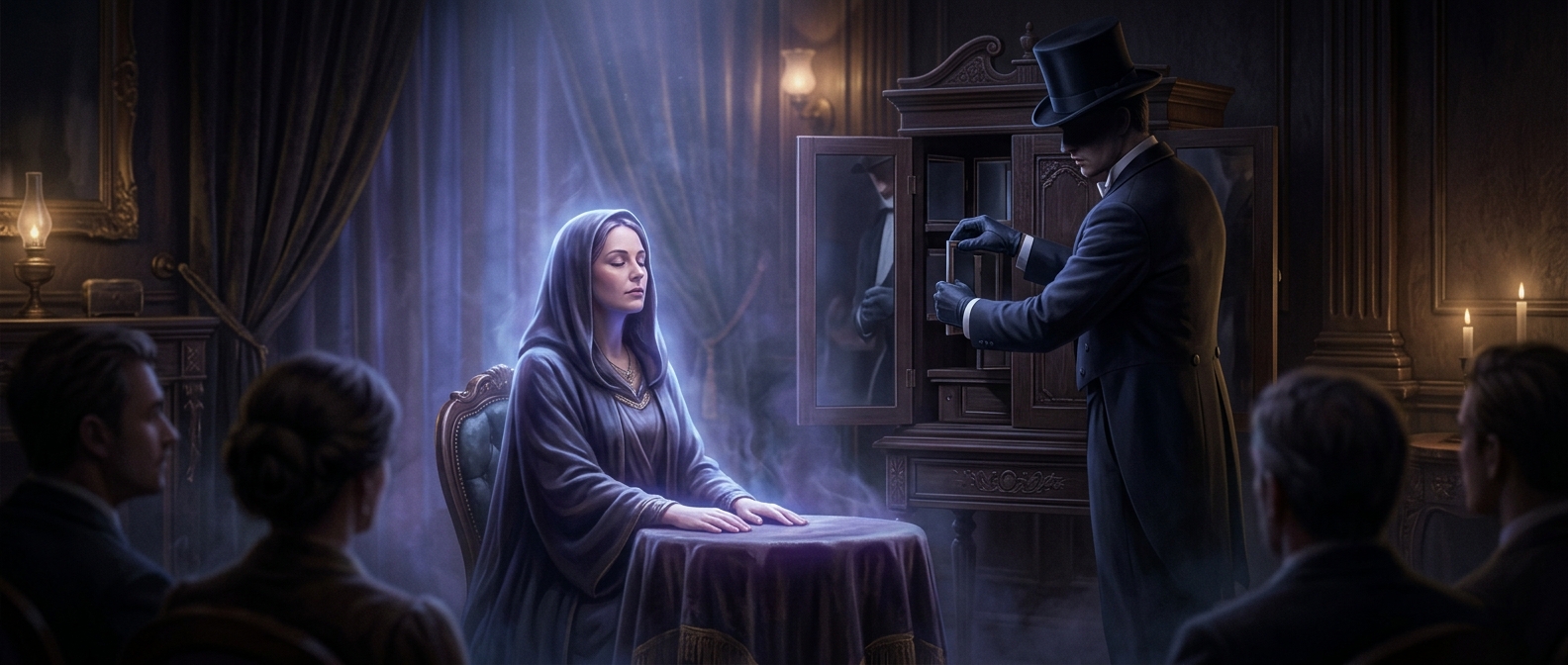
As word spread, the sisters held public demonstrations. The knocks became part of a new form of religious practice: Modern Spiritualism, which treated communication with the dead as something people could seek through mediums, or intermediaries believed to relay messages from spirits. The Foxes’ performances helped turn a local curiosity into a movement, as audiences gathered for séances and other mediums adopted similar methods.
How the Raps Were Made
The sisters later admitted that they produced the sounds by cracking joints in their toes against the floorboards. In a quiet room, a sharp, concealed tap could seem to come from somewhere else, especially when listeners were already focused on the possibility of a spirit answering them. The effect depended on both the sound and the audience’s interpretation of it.
That explanation did not erase the movement the demonstrations had helped set in motion. Spiritualism offered mourners a hopeful possibility: that death did not end contact with loved ones. The Fox sisters’ story therefore became more than an exposed trick. It showed how a small, repeatable performance could give a powerful belief a public form—and how a few knocks on a farmhouse floor could travel far beyond the room where they began.