Why séances were held in the dark
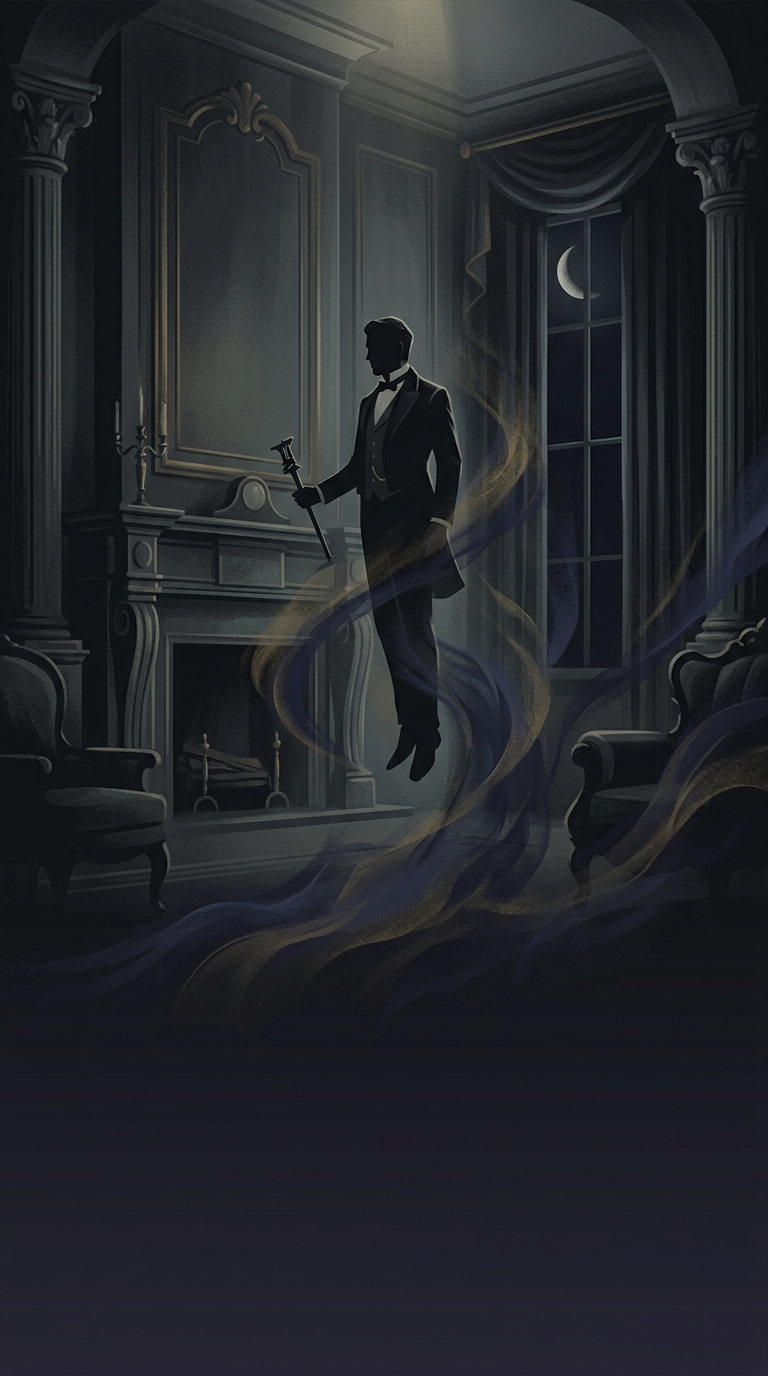
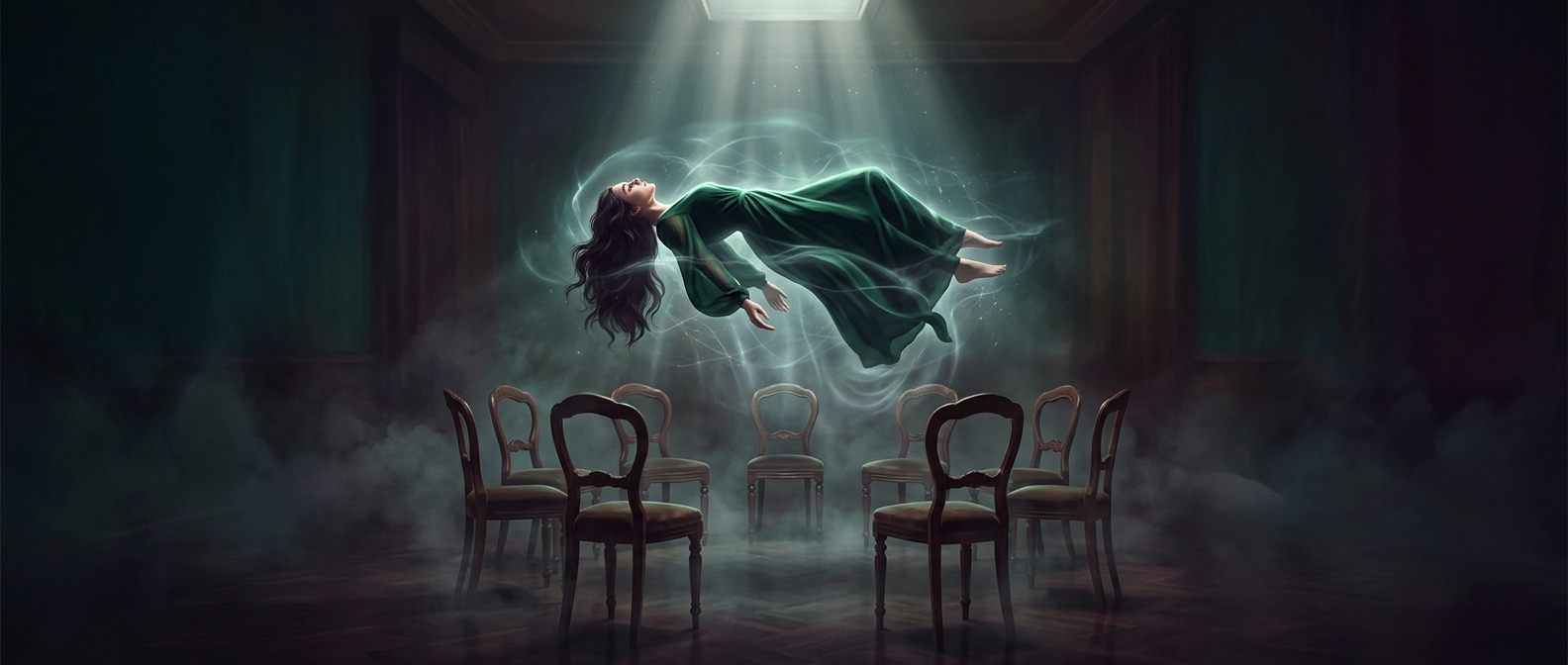
In many séances, darkness was treated as part of the conditions for a spirit manifestation. Participants might be told that bright light interfered with the appearance of spirits or other subtle effects. Dim rooms also made small sounds and fleeting movements feel more mysterious. For a medium said to rise above a chair, however, the same darkness made the key question harder to answer: had the body truly lifted, and what was supporting it?
A claim made difficult to check
Levitation reports belonged to a setting where witnesses were often asked to trust what they could hear or glimpse rather than inspect closely. A hand might be held, or participants might sit in a circle, but those arrangements did not necessarily let everyone see the medium’s feet and the space beneath the chair at once. Low light also made it harder to distinguish an actual lift from shifting posture, shadows, or movement around the room.
That gap between dramatic experience and clear observation is central to understanding the claim. A séance could feel convincing to people present without providing an unobstructed view that settled how the effect happened. The darkness was therefore more than atmosphere: it shaped both the experience and the limits of what spectators could verify.