The room was part of the performance
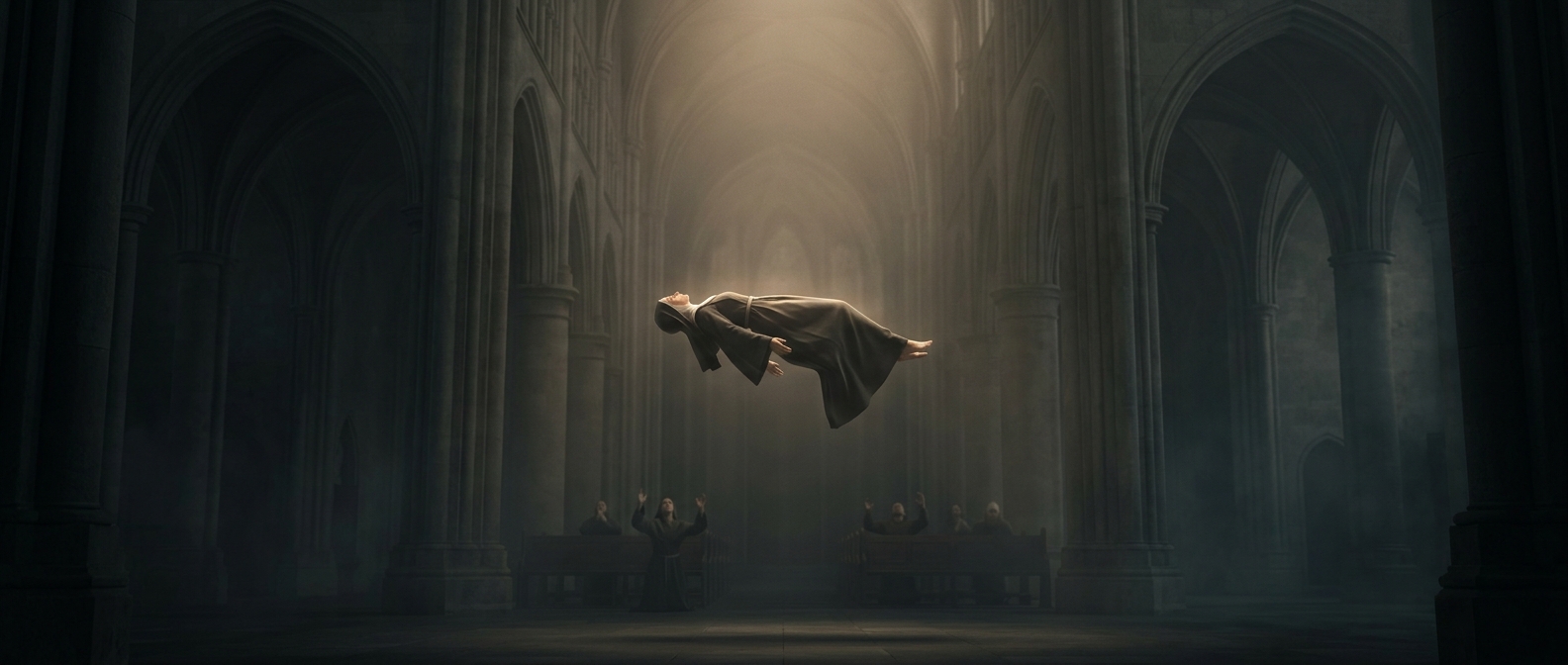
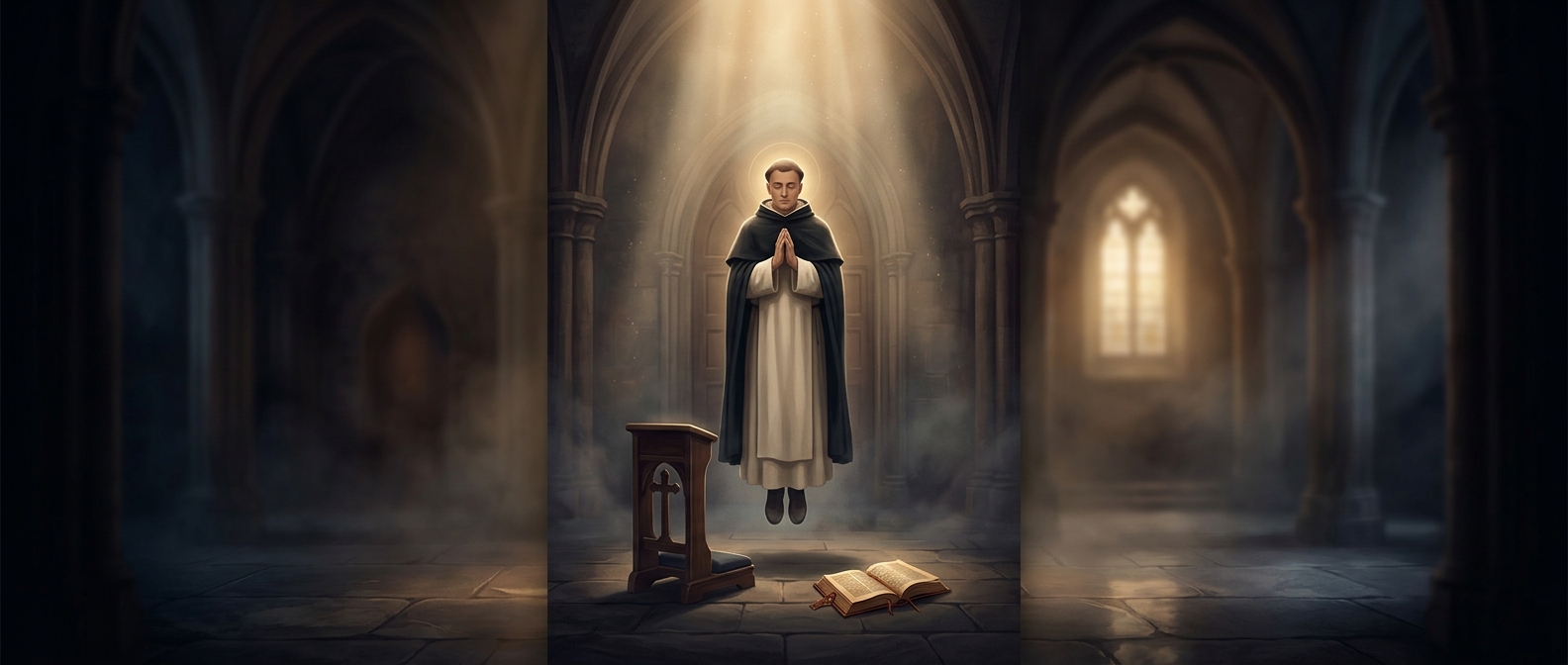
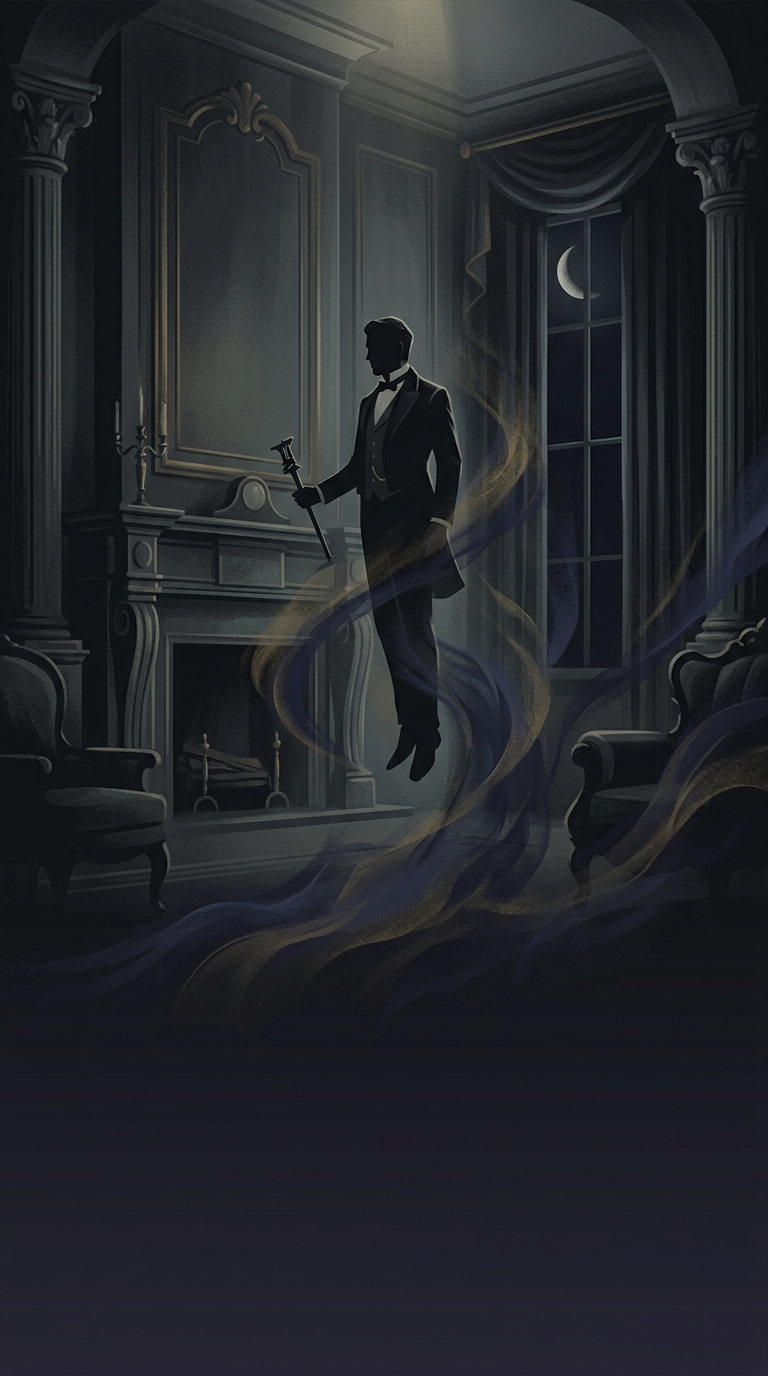
Daniel Dunglas Home’s reported levitations were not presented like a modern stage illusion, with a brightly lit platform and a view from every side. They belonged to private séances, where a few guests watched from within a room arranged for the occasion. That setting made the event feel intimate—but it also limited what anyone could see. A dim room, seated observers, and furniture near walls or windows could interrupt sightlines and make distance and height harder to judge.
In low light, the eye is much less effective at distinguishing detail and depth. A figure moving against a dark background can appear to detach from its surroundings, while a viewer who cannot see the floor or the performer’s contact points has fewer clues for judging how the movement happened. Those conditions do not show that Home used a trick; they help explain why accounts of the same kind of event could persuade some witnesses and leave others unconvinced.
Why the reports endured
Home’s reputation rested on more than one extraordinary claim. People who attended séances described apparent levitations, and the accounts circulated among audiences who valued personal testimony. For believers, a roomful of witnesses could seem stronger than a public spectacle: the guests were close enough to observe, and the event felt outside the machinery of a theater. For skeptics, however, a small gathering was not automatically a controlled test. Darkness and restricted viewpoints made it difficult to rule out ordinary supports or concealed assistance.
That tension helped make Home a lasting figure in Victorian debates over spiritualism, the belief that the living could communicate with the dead. His performances sat at the boundary between private experience and public proof. The same close, shadowed setting that made a séance feel convincing also made its central claim hard to verify.