Turning a séance into an observation
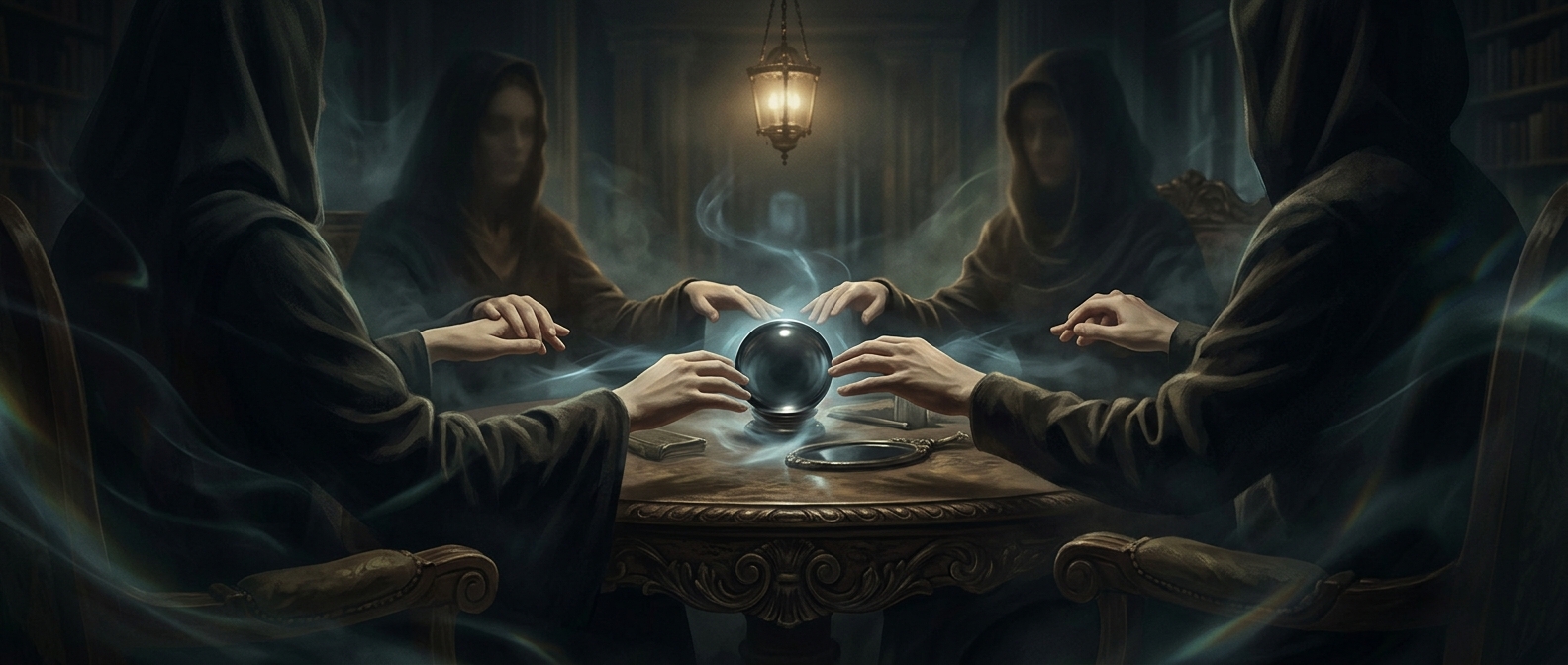
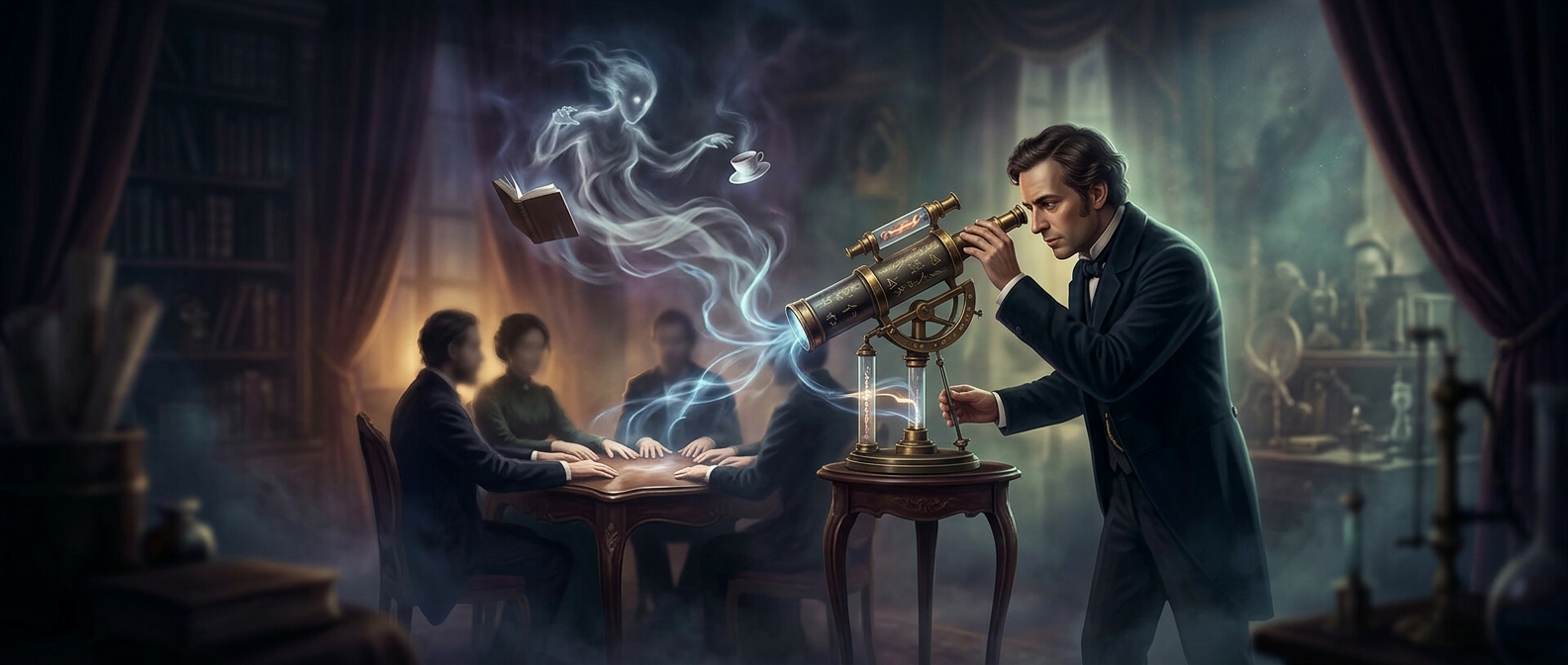
A séance was a gathering in which participants tried to communicate with the dead, often through a medium—a person believed to convey messages or produce unusual effects. In that setting, a sudden movement could be interpreted as evidence of a spirit. Flammarion’s scientific approach asked a different question: what, exactly, had happened, and what could be observed about it?
That shift matters because an event and its explanation are not the same thing. Recording what witnesses saw, when it happened, and where people and objects were positioned could preserve details that excitement or memory might blur. Treating the medium as an experimental subject likewise meant watching the conditions around the person, rather than accepting a supernatural explanation as the starting point.
What a flying chair would have to explain
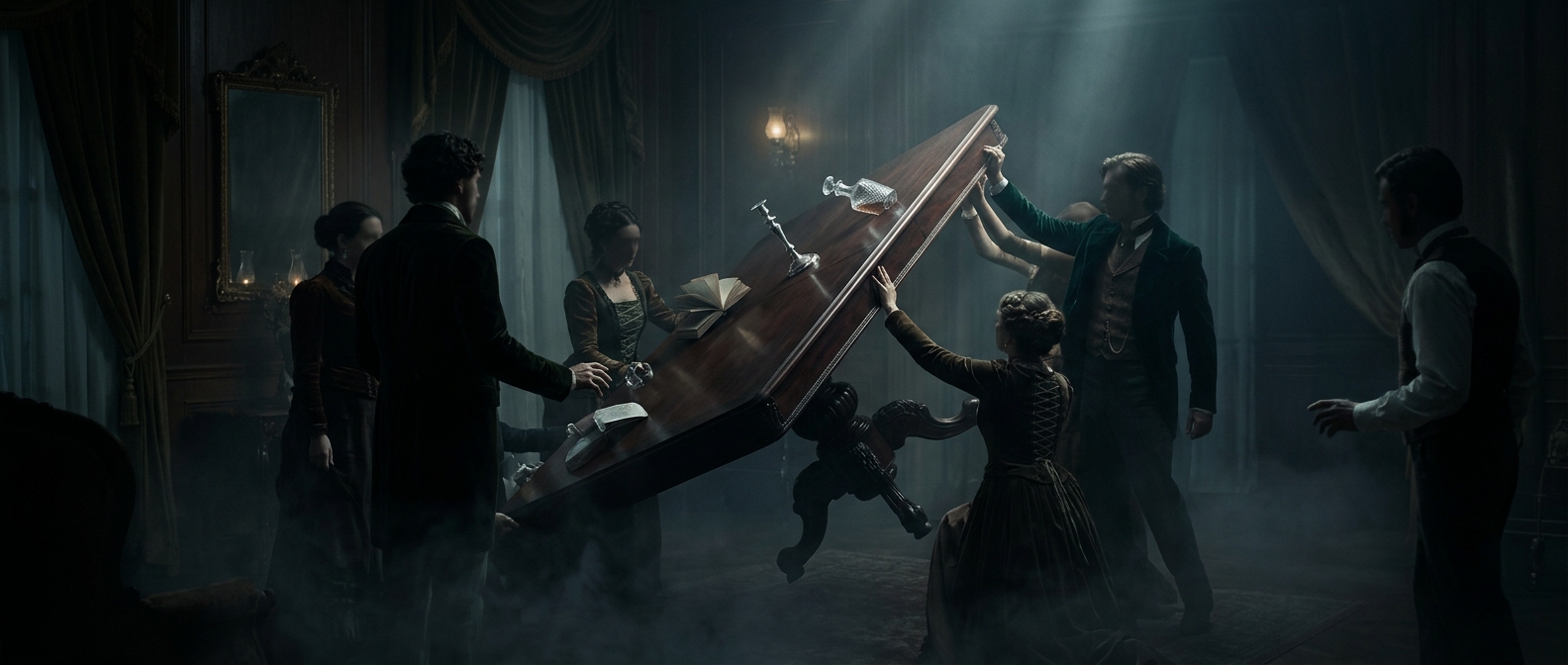
A chair that appears to move on its own presents a problem in mechanics before it presents a problem in the paranormal. To understand the motion, an investigator would need to establish how the chair began moving, how fast it traveled, and what forces could have acted on it. A calculation could test whether a proposed account was physically plausible—but only if the observations were reliable. If the chair’s path, starting position, or contact with people in the room was unclear, the mathematics could not settle what caused it.
That distinction is the lasting value of this kind of inquiry. Measurement can make a strange report more precise without deciding in advance what it means. The séance room became not just a place for competing beliefs, but a setting where claims could be compared with observable evidence.