What the Scole séances set out to show
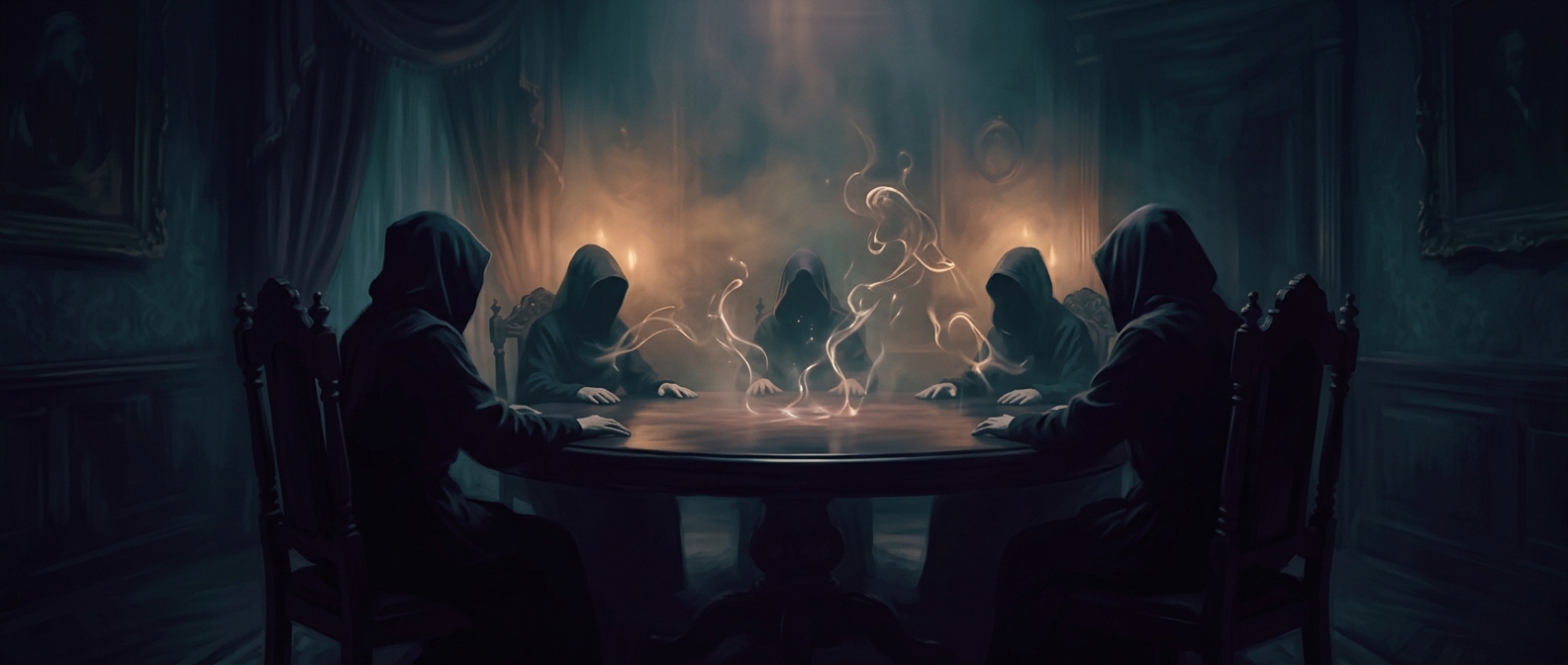
In the 1990s, a small circle meeting in Scole, Norfolk, said that spirits could produce physical effects during séances: lights that moved through the room, objects that appeared, and messages recorded on photographic film. The group presented these events not just as personal experiences but as evidence that consciousness could survive death and interact with the living.
The film reports were especially striking because photographic film normally records an image when light alters its light-sensitive chemicals. The Scole group said that rolls developed images and cryptic writing despite not being exposed in the ordinary way. If genuine, that would suggest a physical process beyond conventional photography; the claim itself, however, does not establish how the images were made.
Why the conditions mattered
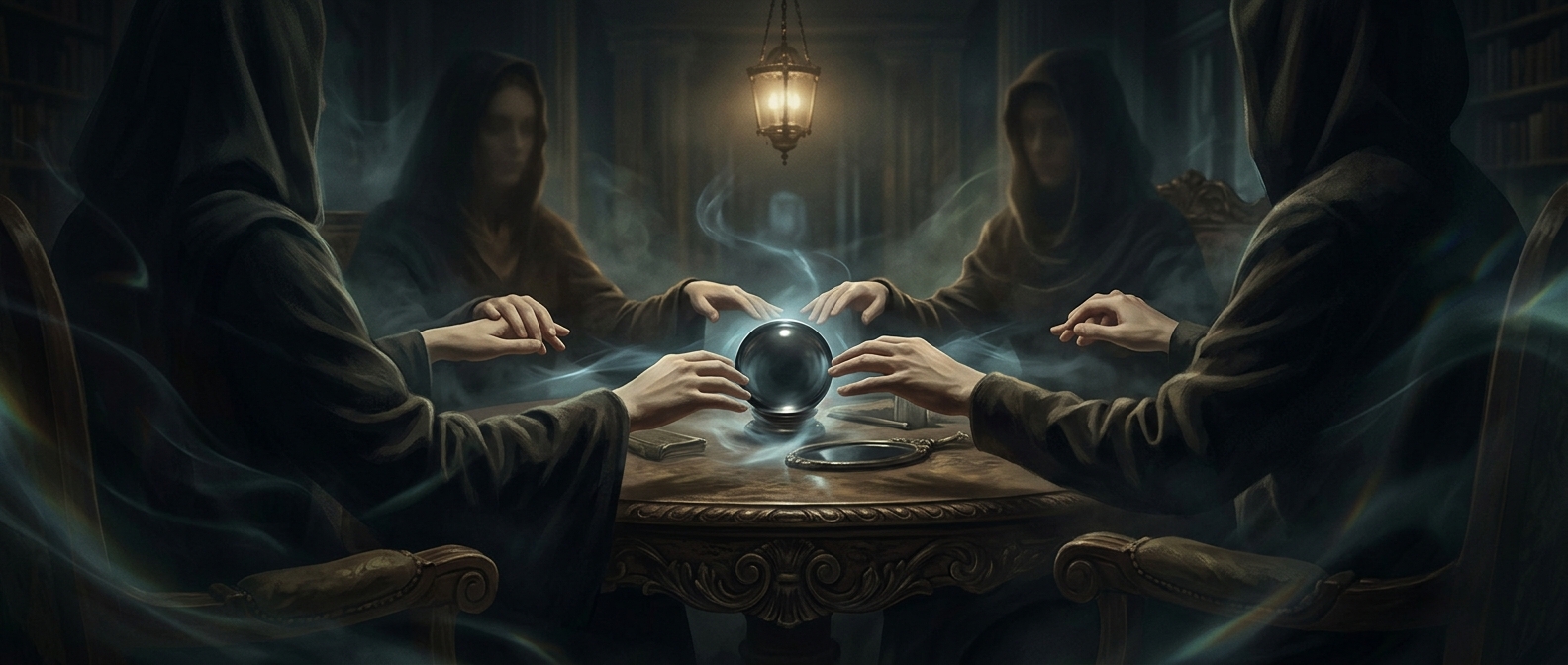
A séance is a gathering in which participants try to communicate with spirits, often in dim light or darkness. That setting can make luminous effects vivid, but it also makes it harder to see exactly what happened and who or what caused it. For investigators, the challenge was therefore not simply to witness an anomaly, but to maintain observation and control strong enough to rule out ordinary handling, light exposure, or misinterpretation.
The Scole sessions attracted researchers who reported unusual phenomena, while also prompting disagreement over whether the experimental controls were sufficient. That distinction matters: an investigator can sincerely report an unexplained event without proving a paranormal cause. The experiment remains notable because it turned a séance claim into a dispute about evidence—especially whether a striking result can be trusted when the conditions needed to produce it are difficult to monitor.The central question was not only what appeared, but whether anyone could show exactly how it got there.