How a table became a speaking instrument
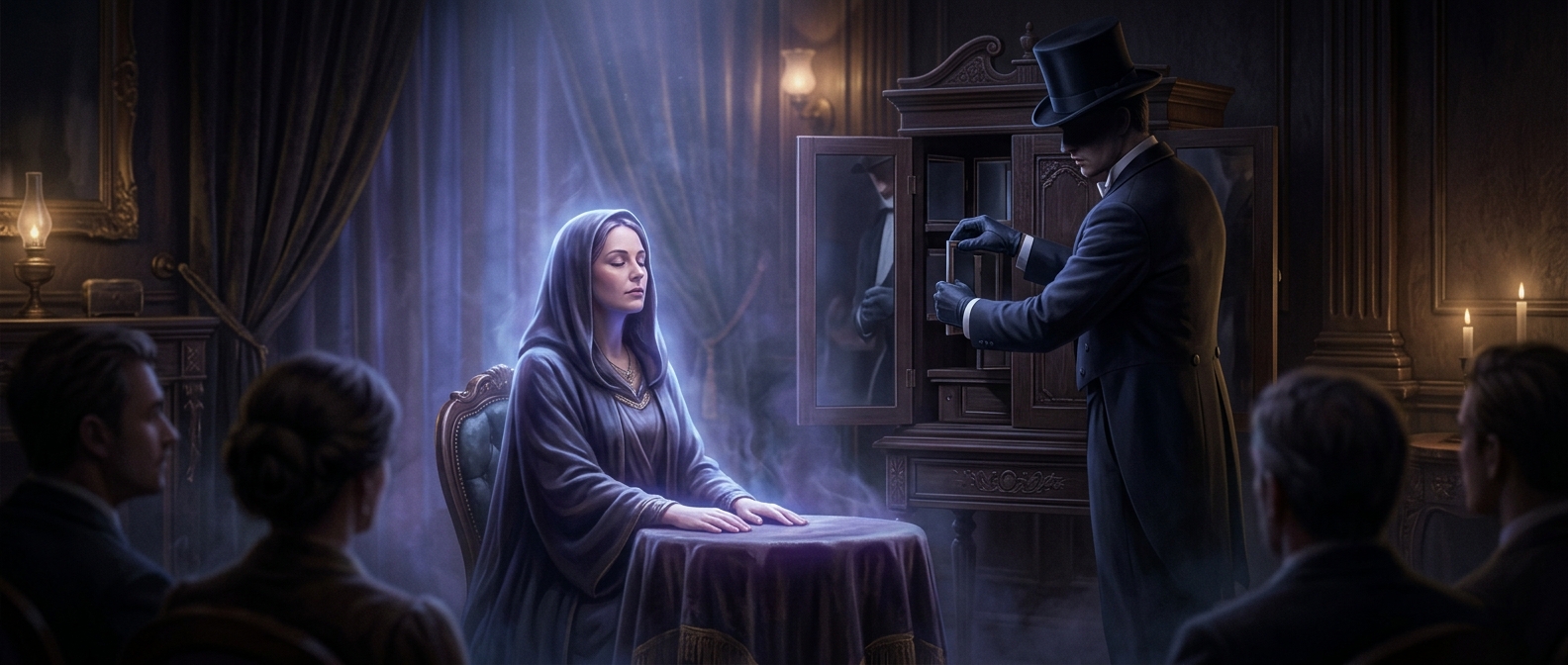
In table-turning séances, participants rested their hands on a small table and treated its movements—tilts, knocks, or turns—as signals from a spirit. The group might assign letters to taps or use a sequence of questions to build answers. The table supplied movement; the people around it supplied the language. That made the séance both a physical event and a collaborative act of interpretation.
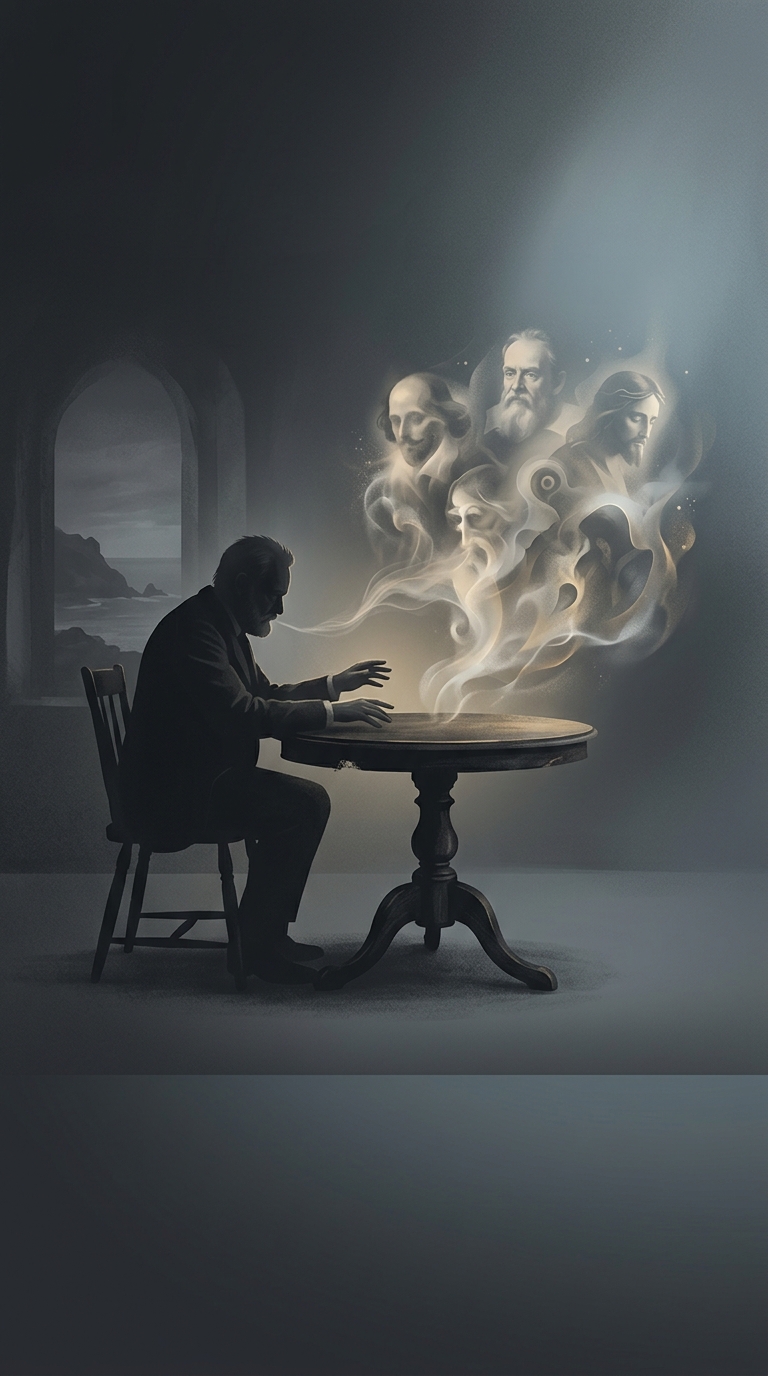
For Hugo, these sessions became more than a fashionable curiosity. His exile had separated him from the political life of France, but the séance offered a setting in which the great figures of history could appear to address the crisis directly. The voices attributed to the dead were recorded as messages, giving the gatherings an unusually consequential role in his life on Jersey.
The politics inside the messages
The spirits Hugo said he encountered were not politically neutral. Their reported agreement with his opposition to the French monarchy made the séances feel like a cosmic confirmation of convictions he already held. In the setting of exile, that could turn private dissent into something that seemed to speak with the authority of history—or even of the beyond.
That does not tell us whether Hugo regarded every message as literal, symbolic, or something between the two. It does show why the sessions mattered: they joined grief, imagination, and political argument around a table, where each mysterious movement could become a voice with a point of view.