Why a reenactment can feel like a time slip
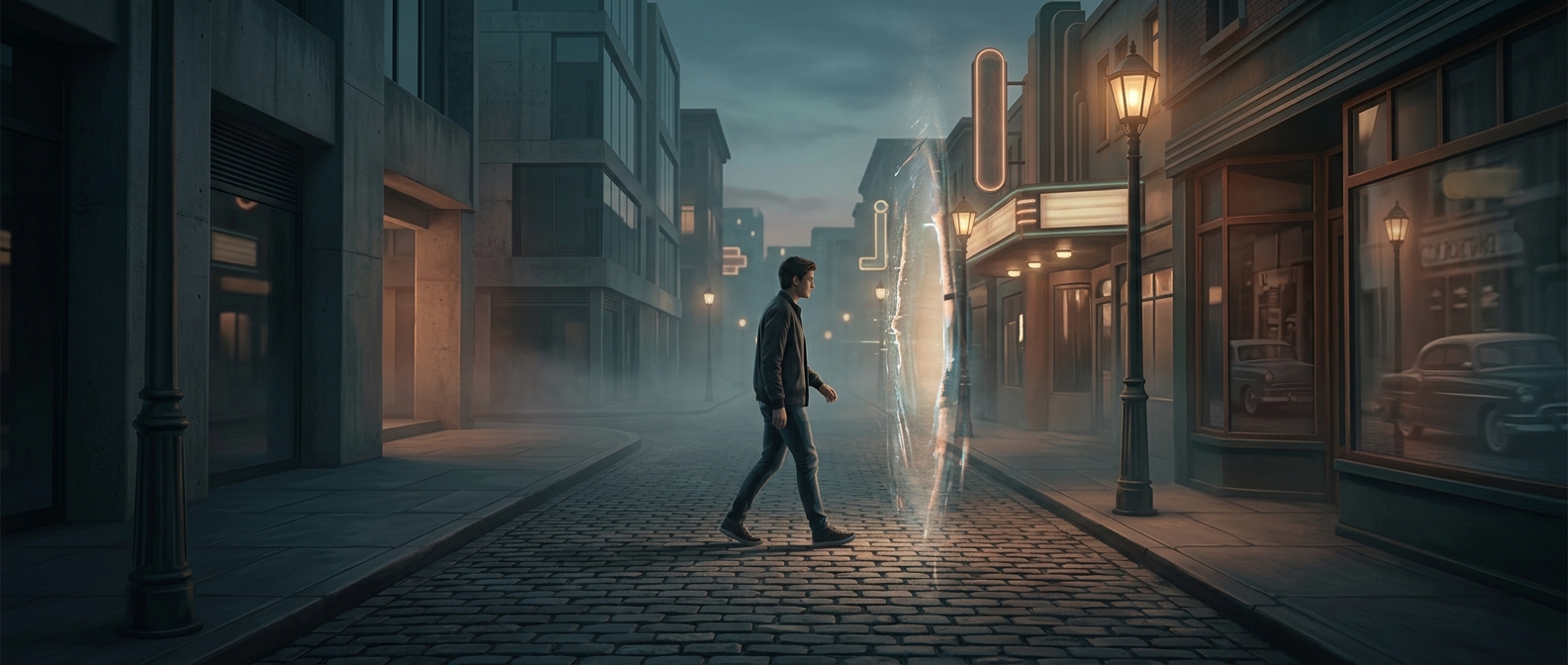
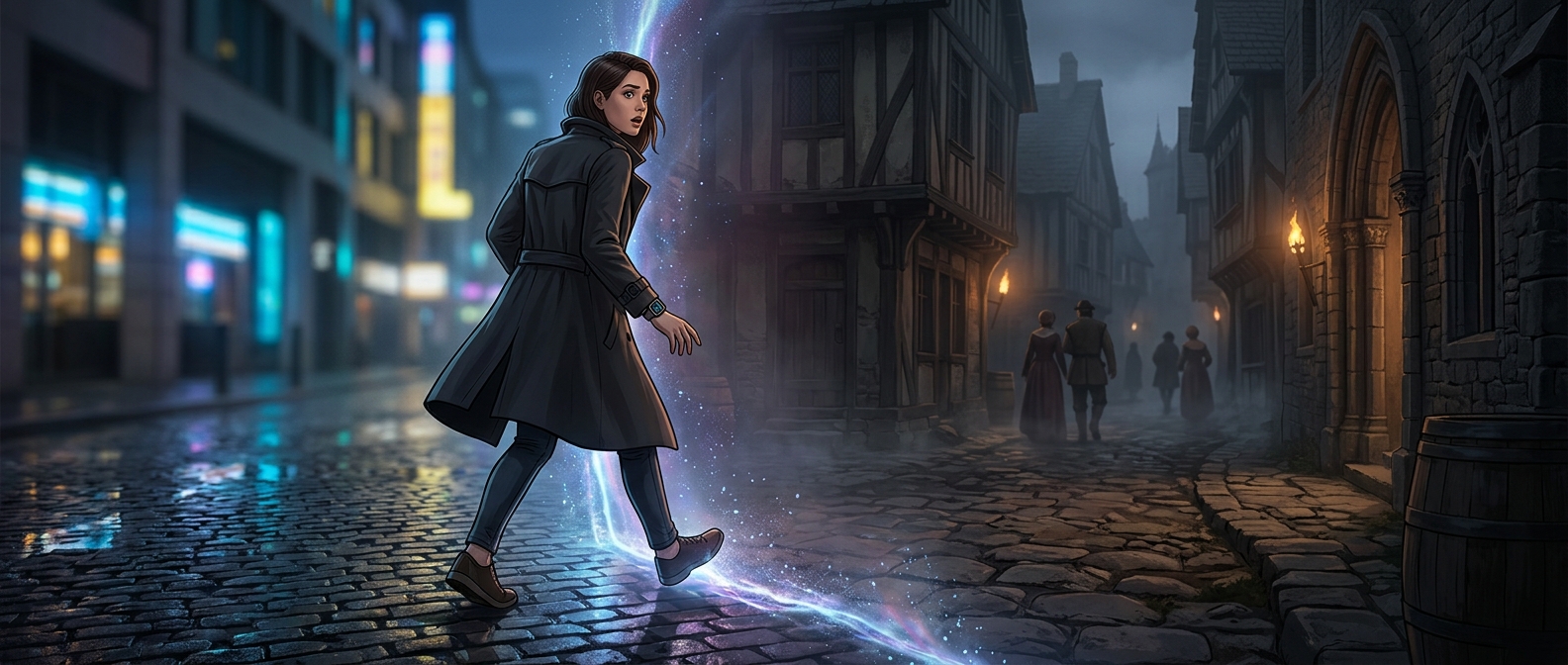
A visitor rounds a corner and finds a street apparently emptied of modern life: unfamiliar clothes, old-fashioned signs, and people speaking in period style. For a moment, the scene can seem less like a performance than a break in time. But historical reenactments are built to make the past feel immediate, and an inattentive visitor may encounter one before spotting the cues that explain it.
The details that blur the boundary
Reenactors often try to keep modern objects out of view. Costumes, props, and speech help create a coherent setting; barriers, staging, and event notices may be easy to miss from the wrong angle. A tourist who arrives unexpectedly can therefore see a convincing fragment without seeing the preparation around it. Surprise does much of the rest: the mind rapidly fits an unfamiliar scene to an explanation, especially when the surroundings offer few obvious signs of the present.
That first impression can linger even after the person learns what was happening. Memory preserves the striking moment—the empty-looking street or the figures in period dress—more readily than the ordinary context that came before or after it.
A brief mystery, then a practical explanation
Accounts of apparent “time slips” can describe sincere experiences without establishing that anyone traveled through time. A reenactment offers a grounded way for such an encounter to happen: a real place is temporarily dressed and acted as another era, while a passerby sees only part of the scene. The result may feel like stepping into history, but the clue is often just around the corner: the event continuing outside the visitor’s view.